China’s Information Control Could Hamper Flood Rescue Efforts in Tibet
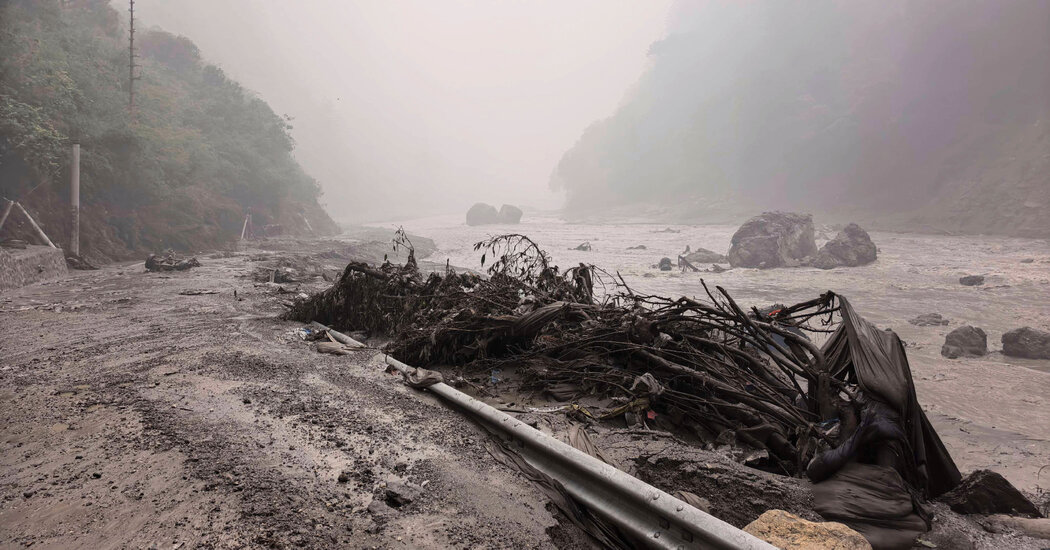
As journalists in Nepal gather eyewitness accounts and up-to-date information about the deadly flood that swept entire villages away on Wednesday, the scene across the border in China could not be more different. By Thursday, videos taken and posted online by locals, including a widely circulated clip of a mudslide engulfing a border crossing in Gyirong County, in China’s Tibet, were censored on Chinese social media platforms. More than 500 people were missing in Gyirong, with three confirmed deaths in the county of about 2,000 people. The authorities have provided…

In a Faltering Chinese Economy, Working-Class Stories Strike a Chord

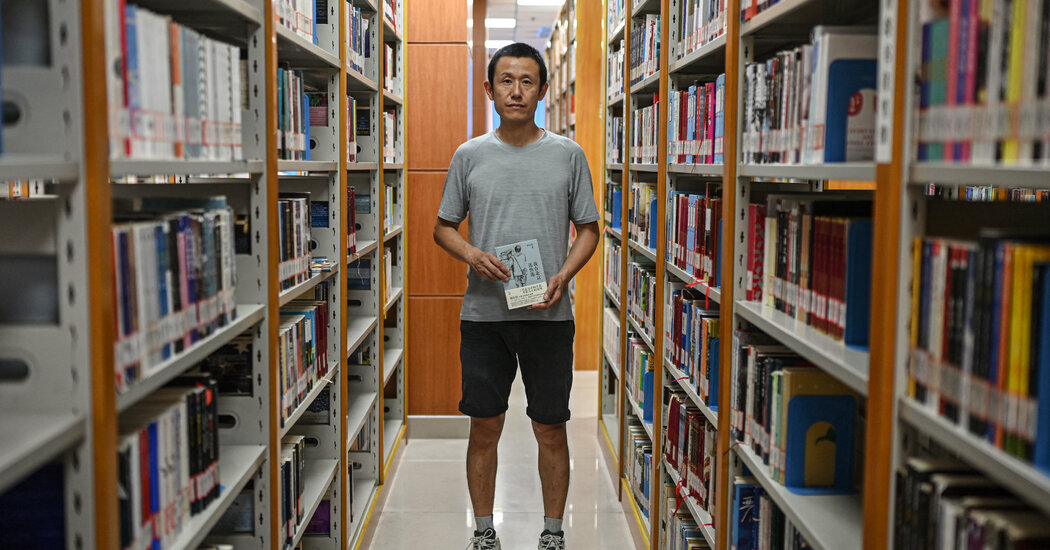
A Chinese food delivery driver rushes from gig to gig, measuring time by the number of jobs he completes instead of by the passing of the seasons. He toils in cities across China to send money back to his family, but has been away for so long that his son calls him “that man” instead of “Dad.” These are scenes from the poems of Wang Jibing, a food delivery driver, one of several Chinese poets and authors who have turned their experiences of repetitive factory labor and insecure gig work…

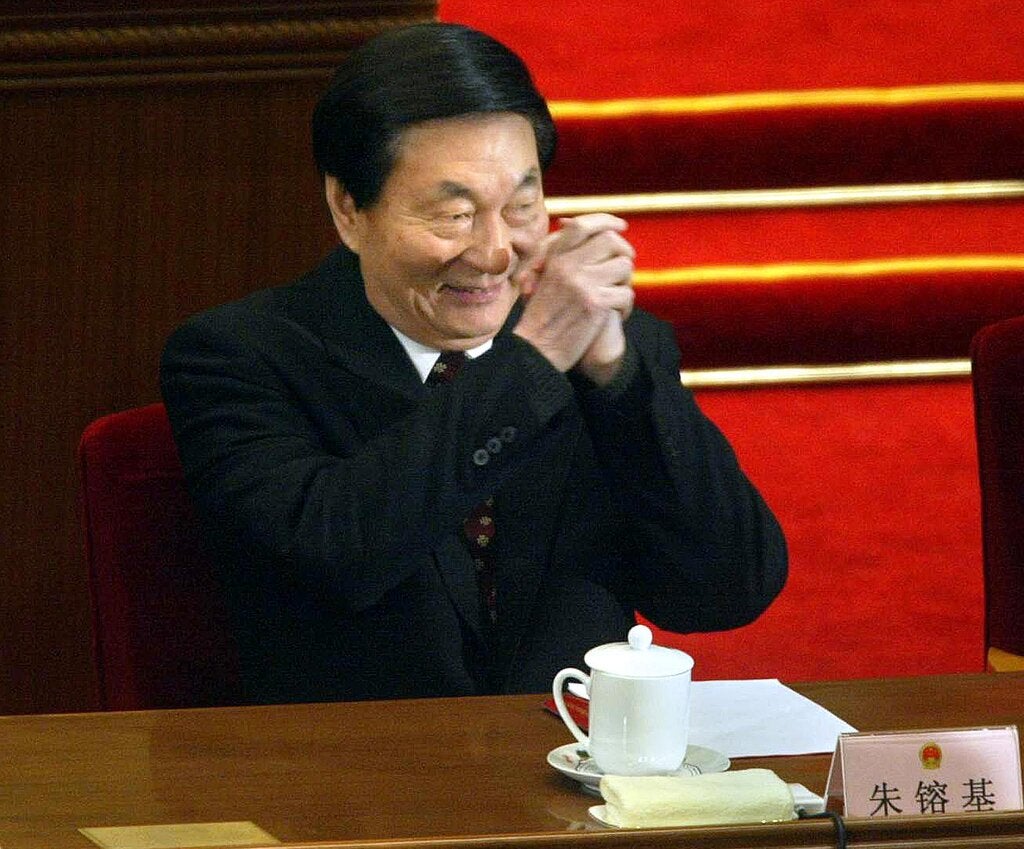
Zhu Rongji, Former Premier Who Transformed China Into a Market Economy, Dies at 97

new video loaded: Zhu Rongji, Former Premier Who Transformed China Into a Market Economy, Dies at 97 <img src="https://www.chinastrategy.org/wp-content/uploads/2026/08/zhu-rongji-former-premier-who-transformed-china-into-a-market-economy-dies-at-97.jpg" data-testid="betamax-poster" sizes="(width Zhu Rongji, the former Chinese premier, died in Beijing on Wednesday at the age of 97. He helped guide China toward a market-based economy in the 1990s and later into the World Trade Organization that skyrocketed the country’s exports. By David Cheung August 12, 2026 NYT

China Rewrites the ‘Soft Power’ Playbook for the A.I. Age

In the Cold War era, “soft power” meant American movies and music that won hearts and minds abroad. Today, in the digital era, China is promoting a very different kind of soft power: its open, low-cost artificial intelligence technology. In a speech last week, China’s leader, Xi Jinping, described so-called open-source A.I. as key to China’s ambitions to shape the global development of the technology. Mr. Xi hailed open-sourcing, in which much of the software can be freely shared and modified, as a “rare and historical opportunity” to spread the…

Lam Wing-Kee, Hong Kong Bookseller Who Defied Authorities, Dies at 70

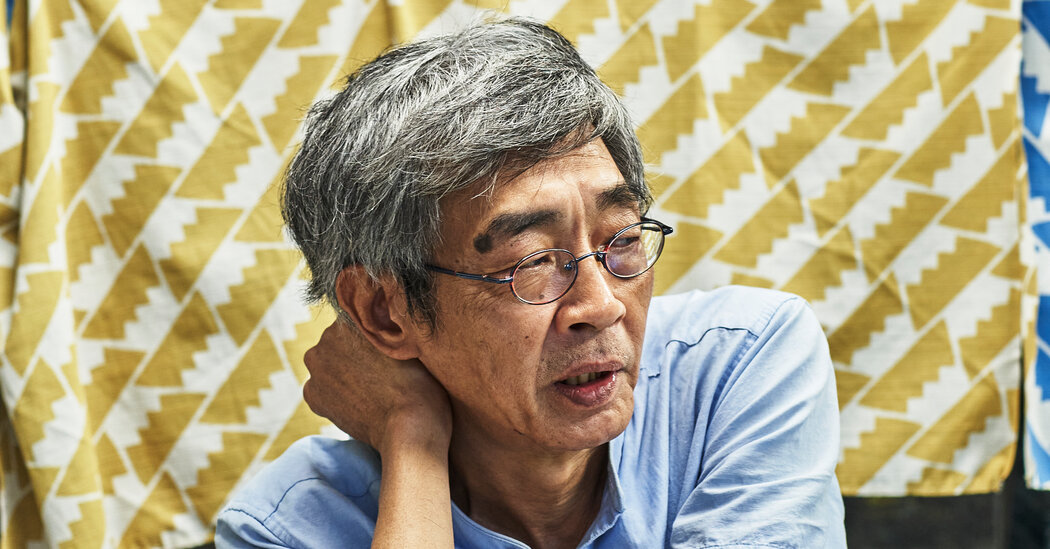
Lam Wing-kee, a bookseller in Hong Kong whose abduction and imprisonment by Chinese authorities, forced confession to selling forbidden books and subsequent public stand against his detention made him an international cause célèbre, died on July 2 in Taipei, the capital of Taiwan. He was 70. Mr. Lam’s death in a hospital, from lung cancer, was announced by the ministry of culture in Taiwan, where Mr. Lam had been living in exile since 2019. For two decades, Mr. Lam’s celebrated Hong Kong storefront, Causeway Bay Bookstore, specialized in titles that…

Expelled from China

China is one of the biggest stories in the world — and one of the most complex. That’s why The New York Times has always tried to have correspondents on the ground who can get under the surface and report out the nuances. But the Chinese authorities have long been wary of foreign journalists. They restrict their access, surveil their movements and sometimes expel them outright. My colleague Vivian Wang, our brilliant China correspondent, recently had her visa revoked. During her time in the country, she talked to a cross-section…

What Americans Need to Understand About China

This is an edited transcript of “The Ezra Klein Show.” You can listen to the episode wherever you get your podcasts. Since 2012, Xi Jinping has been the leader of the Chinese Communist Party. He has consolidated power to a level very few people ever expected, and under his rule, China has strengthened technologically, diplomatically and militarily. It is now widely understood to be an industrial juggernaut on a scale the world has never seen, in a way the world does not quite know how to respond to. But Xi’s…

We Returned From China. We Realized Our Century’s Biggest Challenge.

Humanity is inching along a precarious tightrope. Our world is in the midst of deciding how the artificial intelligence revolution will unfold and what limits should be drawn. Too much caution could waste A.I.’s promise of faster economic growth, greater scientific discovery and more prosperity. Too little caution could unleash labor-market chaos and social disorder. Balance matters. If we get the balance between control and growth wrong at any point, we’ll fall into the gorge below. And no country is guaranteed to get to the opposite side. This is our…

As Xi Looks to Extend His Rule, He Leans on a Longtime Ally

As China’s leader, Xi Jinping, forges toward a fourth term in power, he confronts a dilemma common to aging autocrats: testing and recruiting a rising generation of loyal officials while ensuring his own dominance. To manage this looming challenge, he is leaning on Cai Qi, a longtime deputy who is probably the most influential official in Mr. Xi’s inner circle. Tall, silver-haired, and constantly at Mr. Xi’s side, Mr. Cai is a supercharged chief of staff to his leader. Mr. Cai holds multiple leading roles, including in national security and…

China Says Pilot Who Flew Into Skyscraper Had Thoughts of Death

The authorities in Beijing said Thursday that the pilot who flew a small plane into the city’s tallest building last week was a 66-year-old man suffering from insomnia and anxiety and who had expressed a desire to end his life in journal entries. The pilot crashed his two-seat sport aircraft into Citic Tower, the headquarters of one of China’s biggest state-owned financial conglomerates, in a busy Beijing business district last Friday during evening rush hour. In a sign of the authorities’ sensitivity over an event that raised questions about the…