From 1h ago Trump to meet with China’s Xi as Congress mulls bill banning artificial superintelligence Hello and welcome to the US politics live blog. Donald Trump will meet with the Chinese president Xi Jinping later today, ahead of a three-day visit that will undoubtedly see artificial intelligence (AI) high on the agenda. António Guterres, the UN secretary general, has called on the two countries to establish a dialogue on AI similar to the communication between the US and the Soviet Union during the cold war. “Governments with the greatest…
Author: Media Library
Neurobiologist Ye Bing says his return to China is not spurred by Michigan campus tragedy
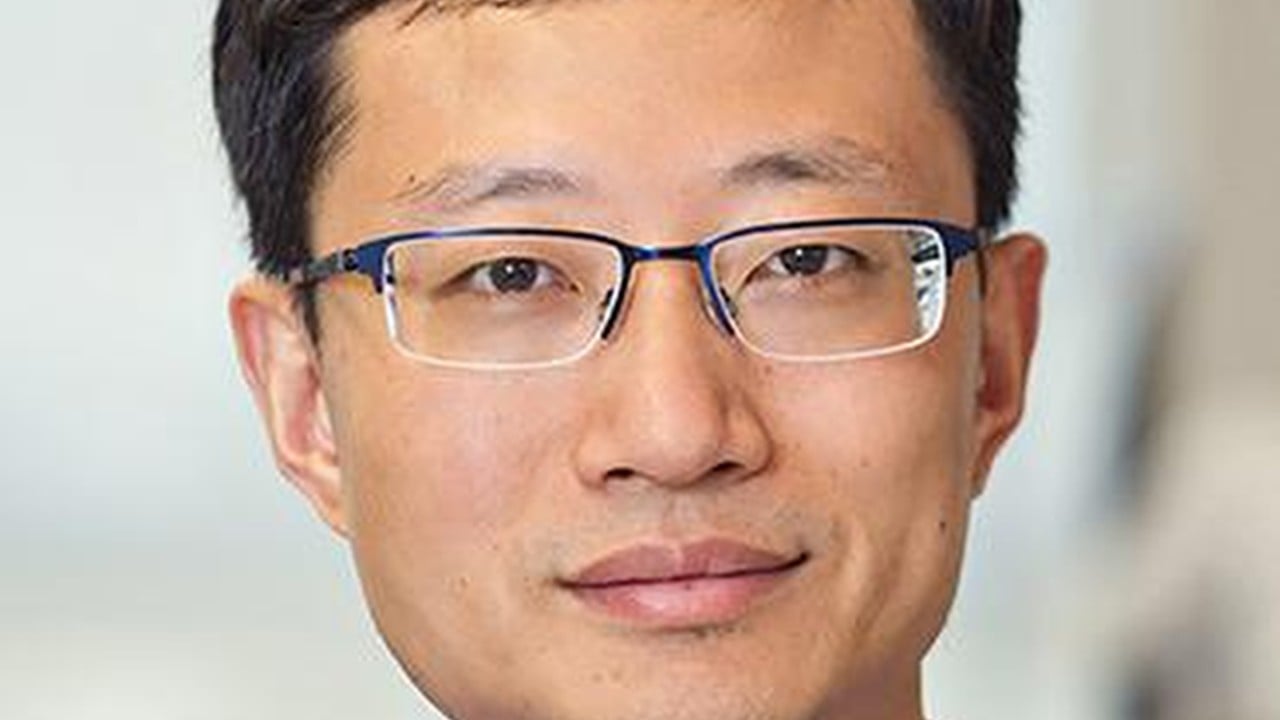
Neurobiologist Ye Bing is returning to China after a long period in the United States, but he says his move is not linked to the suicide of another Chinese scholar at the same university or US policy under the Trump administration. Ye said his decision to join Nanjing University and leave the University of Michigan was not influenced by the death of Chinese scholar Wang Danhao on the same campus six months earlier – a day after Wang was interviewed by US Homeland Security officers. “This is a career choice…
China hawks grumble over Trump’s lavish welcome planned for Xi state visit
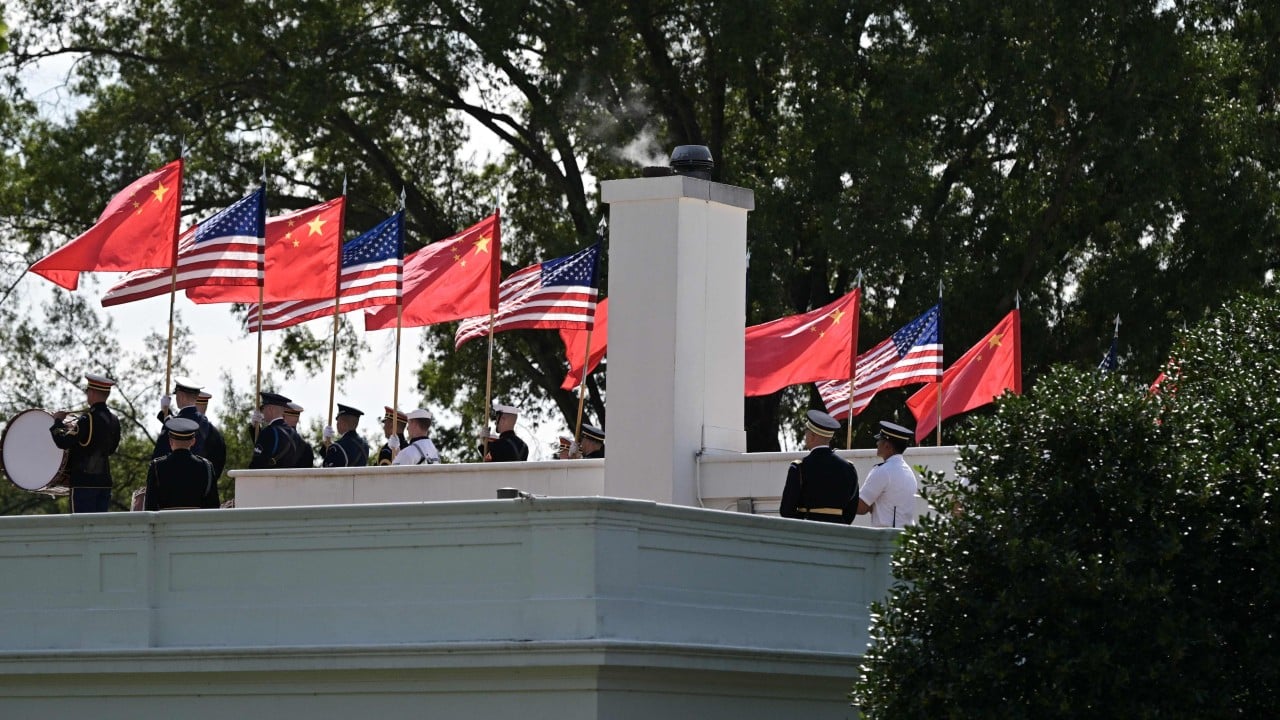
Hours before President Xi Jinping’s aircraft lands at Joint Base Andrews, Washington is preparing for a scene that seemed unthinkable in recent years: his American counterpart waiting on the tarmac for the leader of a country that much of the US national security establishment regards as its foremost strategic adversary. But the China hawks who helped shape the debate have spent the week warning that the ceremony risks obscuring a more familiar reality: Beijing remains a rival, and the issues that have defined that rivalry have not gone away. They…
Elon Musk hails Xi Jinping’s leadership and Chinese AI capabilities on state media

Tesla CEO Elon Musk described Chinese President Xi Jinping as “a great leader” and “very capable” during an interview with China’s state broadcaster on Wednesday, hours before Xi left China for a summit with US President Donald Trump. “He seems like a great leader. Under his tenure, China has prospered immensely. I’ve seen it first hand,” Musk said in an interview aired on CCTV’s WeChat account, according to video from the broadcaster. “And it’s also obvious to see just walking around the streets, the … prosperity of the average Chinese…
China’s first lady Peng Liyuan projects glamour and soft power on world stage
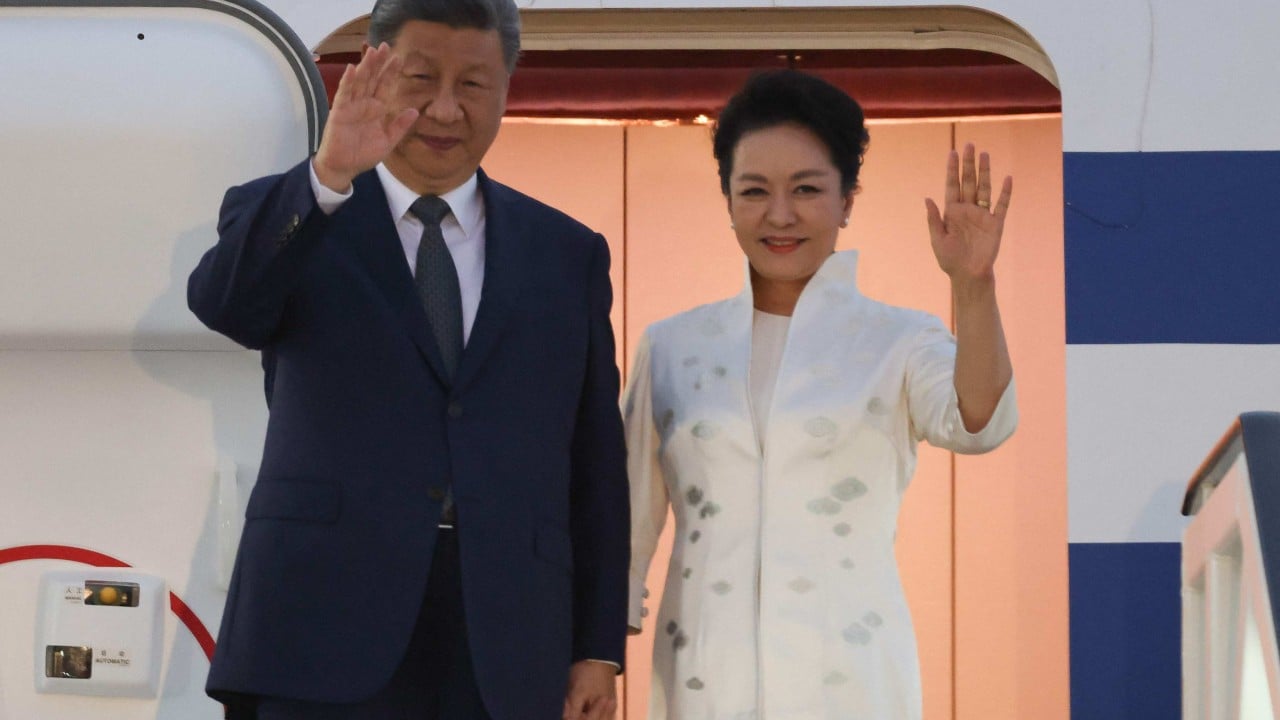
China’s first lady Peng Liyuan is again stepping into the international limelight as she travels to Washington with President Xi Jinping this week. Xi and Peng were invited to visit the White House by Donald Trump in May, when the US leader was in Beijing. They are expected to arrive at Joint Base Andrews on Wednesday, local time, to begin their three-day visit. On Thursday, Xi and Peng will be welcomed at the White House with a State Floor arrival ceremony and a Rose Garden military review. Following the official…
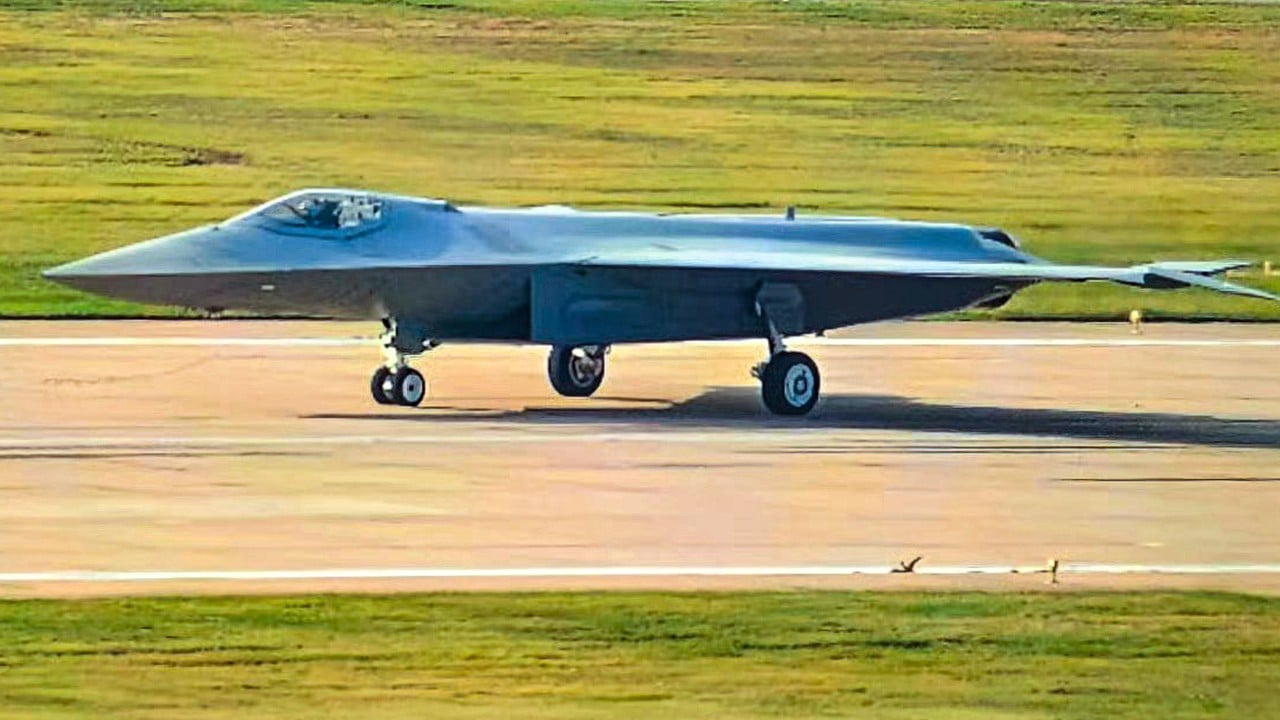
China’s stealth fighters, critical minerals from lithium waste: 7 science highlights
00:00 00:00 1x AI-generated voice South China Morning Post
Did North Korea’s missile launches target the Xi-Trump summit agenda?
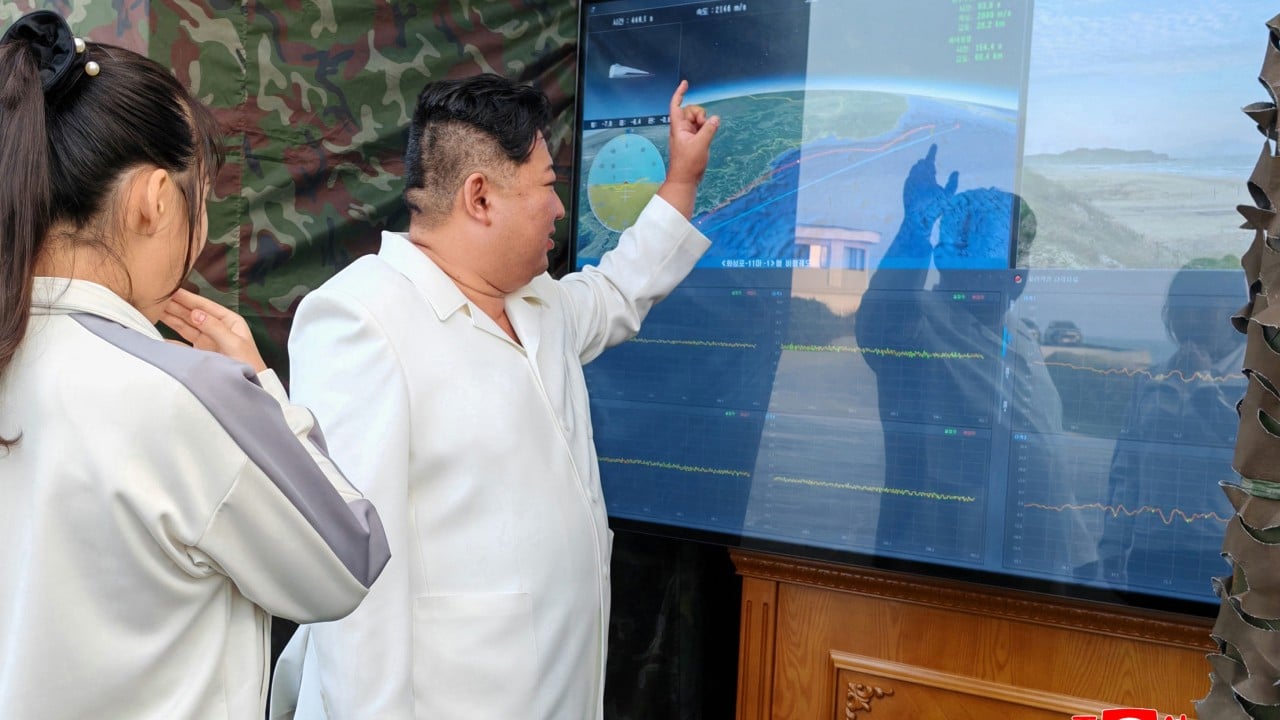
On Sunday, North Korea fired two short-range ballistic missiles towards the Sea of Japan, or East Sea, which, according to South Korea’s joint chiefs of staff, were detected three hours apart, with the first flying about 450km (280 miles), while the second travelled more than 600km. The missile launches were confirmed by North Korean media on Tuesday as the test of a new type of its hypersonic missile and observed by North Korean leader Kim Jong-un. Sunday’s tests came eight days after North Korea fired a mix of multiple short-range…
Europe frets about Trump. But soon he could be the least of our problems | Mujtaba Rahman
I addressed a group of more than 100 European ambassadors recently on the big challenges facing the continent this year and next. My main point to these senior diplomats was that, perhaps counterintuitively, Europe’s biggest external challenges over the next 12 months will come from Russia and China, rather than the US. Europe’s relationship with Trump’s America remains difficult. The US president has weakened confidence in Nato, raised new transatlantic trade tensions and introduced uncertainty into everything from US support for Ukraine to his territorial designs on Greenland. Yet paradoxically,…
How does Xi Jinping’s ‘special plane’ compare with Air Force One?
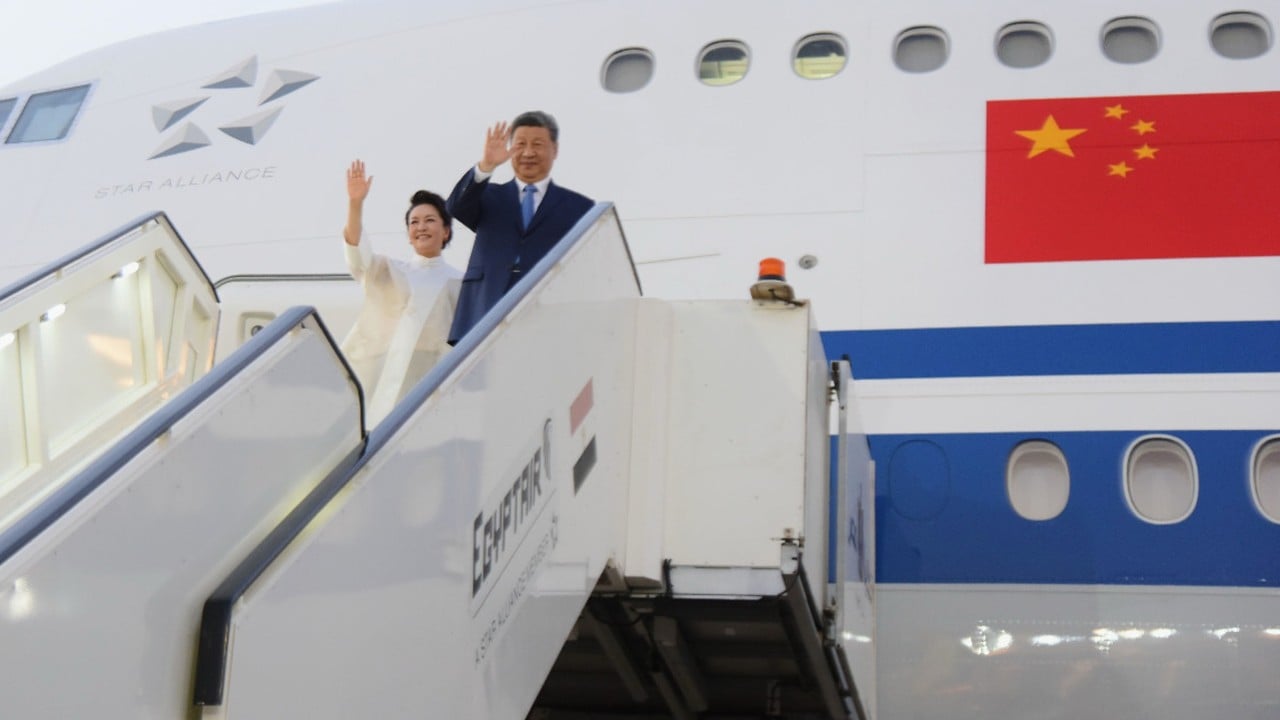
Ahead of Chinese President Xi Jinping’s visit to Washington this week, attention is already turning to the aircraft that will carry him and how it stacks up against America’s famous presidential plane. The aircraft carrying China’s leader, often referred to in state media and official statements as a zhuan ji, or special plane, remains far less known to the world than Air Force One, despite both countries using Boeing 747s for presidential travel. For a head of state, a presidential aircraft is more than a means of transport. Its range,…
AI looms large over Trump-Xi meeting amid deep distrust between US and China
When Xi Jinping, China’s leader, touches down in Maryland on Wednesday, he will step out into the arms – perhaps a hug, if Donald Trump’s wishes come true – of a US president who has shown China more bonhomie than any of his recent predecessors. The meeting between Xi and Trump this week will be the second time that the leaders of the world’s two biggest economies have talked face to face this year. At the previous summit, held in Beijing in May, there was much talk of building a…