A Chinese food delivery driver rushes from gig to gig, measuring time by the number of jobs he completes instead of by the passing of the seasons. He toils in cities across China to send money back to his family, but has been away for so long that his son calls him “that man” instead of “Dad.”
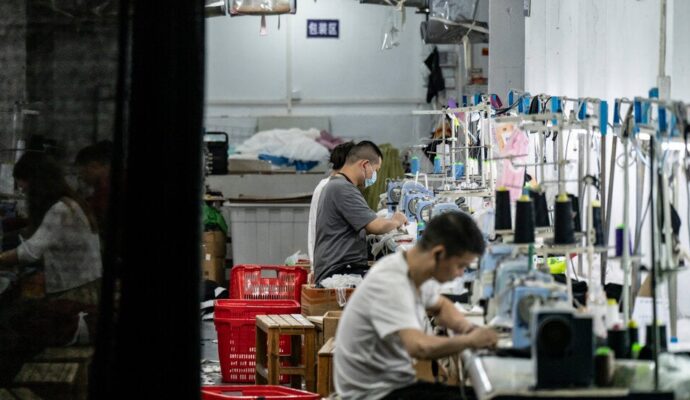
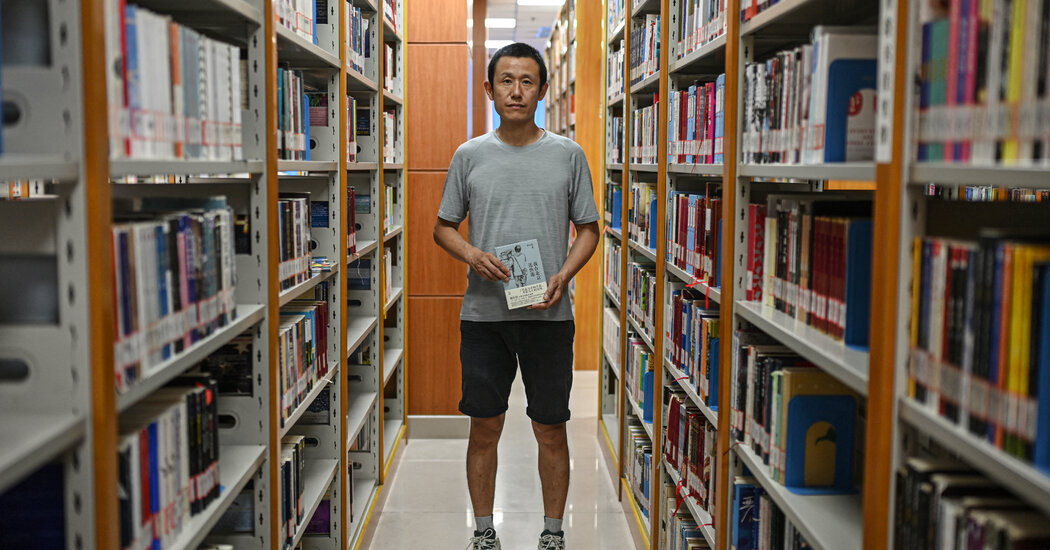
These are scenes from the poems of Wang Jibing, a food delivery driver, one of several Chinese poets and authors who have turned their experiences of repetitive factory labor and insecure gig work into art.
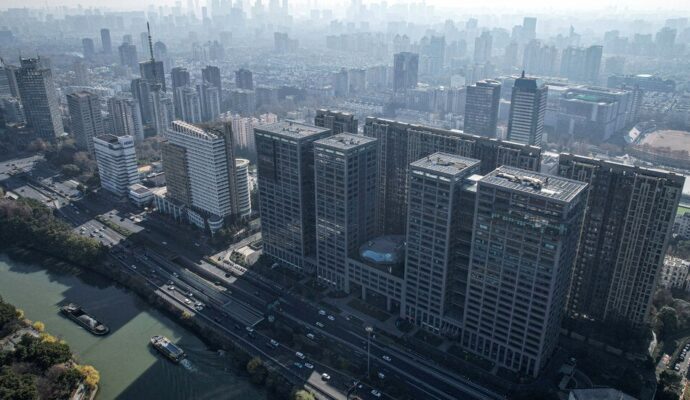
This literary genre has ballooned in popularity in recent years, as many Chinese have grown pessimistic about the economy. For a wide swath of society, wages have stagnated, youth unemployment is high and the promise of a better life in return for hard work has faded. Some authors use their writing to call attention to the harsh realities of life for migrant and gig workers, while others celebrate the humanity that flourishes in spite of those conditions. Their styles are often raw and straightforward.
Writers like Hu Anyan, a courier who wrote a best-selling memoir about the jobs he has worked across the gig economy, and Fan Yusu, who left her children behind to work as a live-in nanny in Beijing, have tapped into these themes. They have published essays online that have been shared widely and led to book deals. Some best-sellers have been translated and published overseas.
Last month, Mr. Wang’s new poetry collection, “Low Flight,” won the Lu Xun Literary Prize, in the highest institutional recognition for the genre yet.
For the Chinese public, curiosity about these workers is intertwined with anxiety about their own prospects. The concern may be particularly pronounced for members of China’s middle class. They “pay more attention to these kinds of narratives because they may represent their future lives,” said Zhu Ping, a professor of Chinese studies at the University of California San Diego’s literature department.