Trump White House Readies AI Framework to Review Security Risks
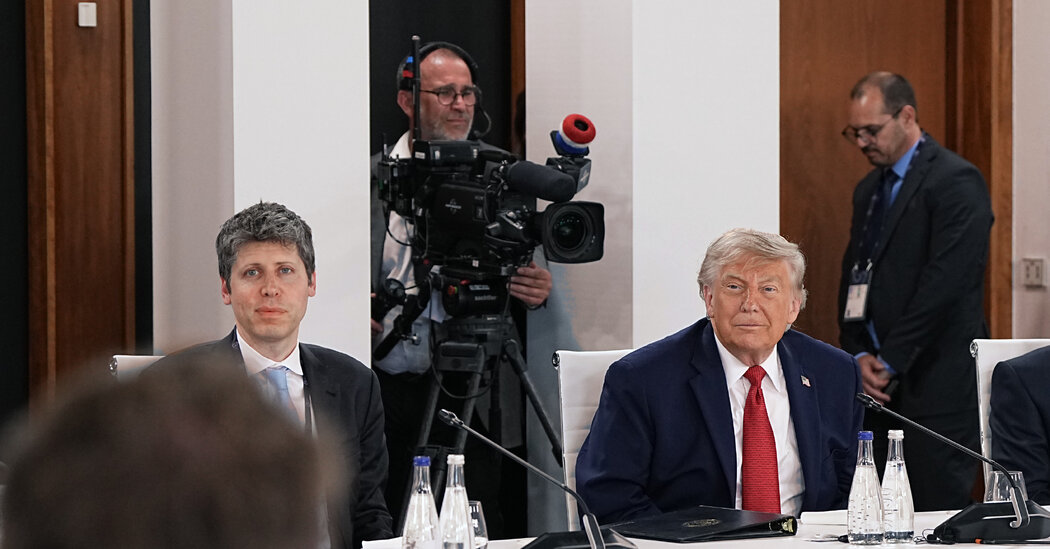
In a meeting on Tuesday with top artificial intelligence companies, White House officials said the federal government planned to review only certain types of artificial intelligence models for potential security risks and not others, according to four people familiar with the discussions. The A.I. models the government plans to review are known as “closed” models, which do not publish their underlying code and are made by companies like Anthropic and OpenAI, according to three of the people, who spoke on condition of anonymity because the details of the meeting were…

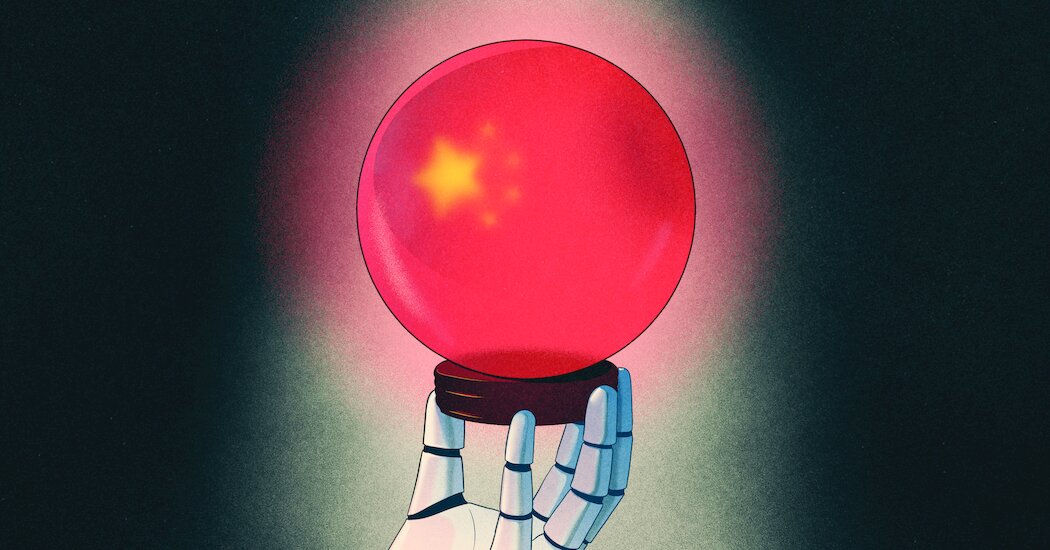
China’s Moonshot AI Unveils Kimi Model, Threatening America’s Lead

The contest between China and the United States for supremacy in artificial intelligence escalated on Friday when the Chinese start-up Moonshot AI released a new A.I. model that appeared to narrow the lead held by well-funded American competitors. Moonshot said that the model, Kimi K3, was the world’s largest open-source A.I. system, allowing anyone to use, modify and build on it freely. The company said that Kimi K3 performed as well as leading models from OpenAI and Anthropic at some key tasks. The release coincided with an address by Xi…

China’s Rush to Dominate A.I. Comes With a Twist: It Depends on U.S. Technology

In November, a year after ChatGPT’s release, a relatively unknown Chinese start-up leaped to the top of a leaderboard that judged the abilities of open-source artificial intelligence systems. The Chinese firm, 01.AI, was only eight months old but had deep-pocketed backers and a $1 billion valuation and was founded by a well-known investor and technologist, Kai-Fu Lee. In interviews, Mr. Lee presented his A.I. system as an alternative to options like Meta’s generative A.I. model, called LLaMA. There was just one twist: Some of the technology in 01.AI’s system came…

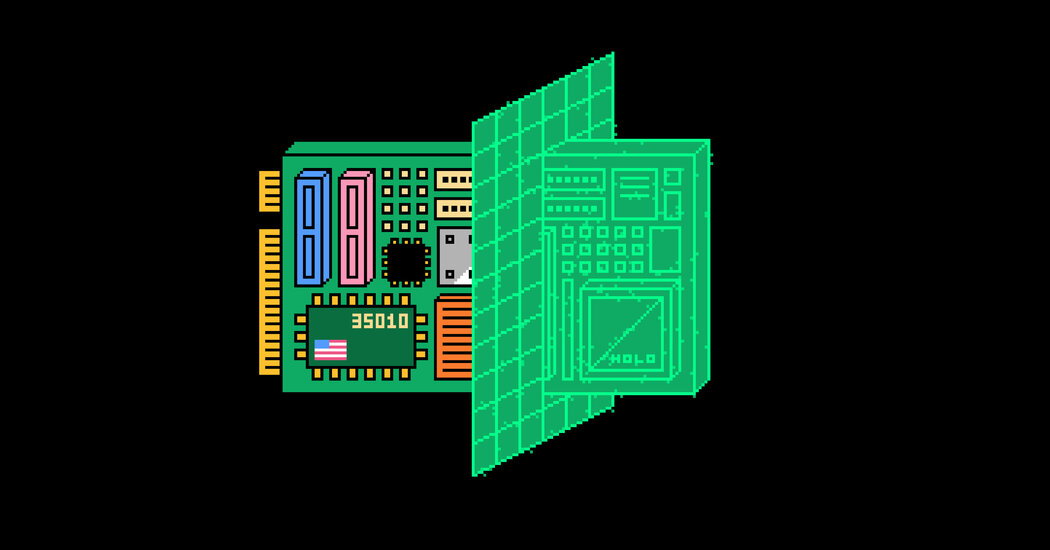
The Next Front in the U.S.-China Battle Over Chips

NASA has chosen the technology to help it land future spacecraft on unmapped planets. Meta uses the technology for artificial intelligence. Chinese engineers have turned to it to encrypt data. And it could represent the next front in the semiconductor trade war between the United States and China. The technology is RISC-V, pronounced “risk five.” It evolved from a university computer lab in California to a foundation for myriad chips that handle computing chores. RISC-V essentially provides a kind of common language for designing processors that are found in devices…