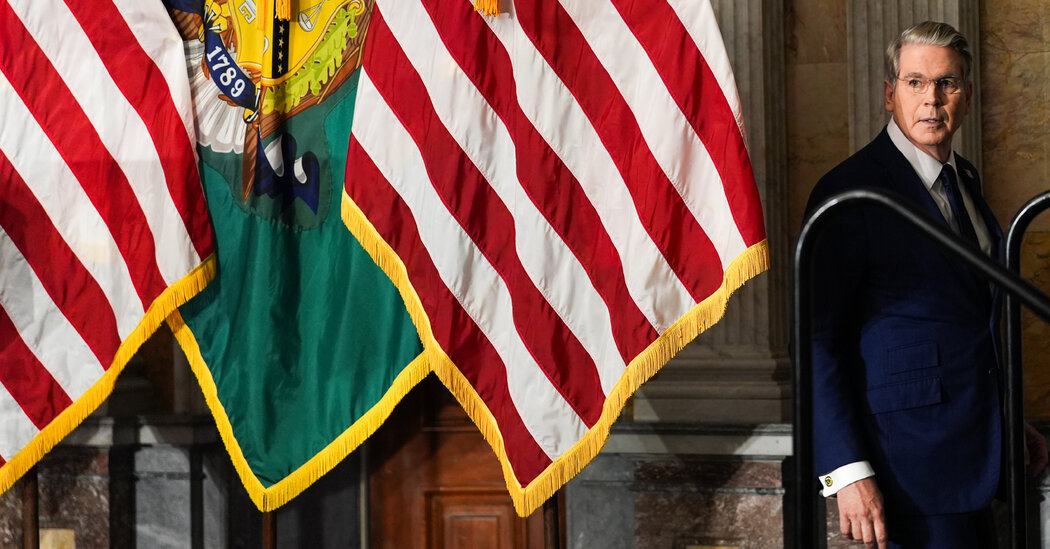
Andrew here. Wowsers. Wall Street is buzzing about an opinion essay in The Wall Street Journal by Stanley Druckenmiller, a billionaire investor. Druckenmiller criticized Treasury Secretary Scott Bessent’s bond buyback plan, calling it a mistake — and, worse, suggesting it’s a stab at manipulating the bond market. Remember that Druckenmiller more recently employed Kevin Warsh, now the Fed chairman, who has argued that the government should intervene less in markets, not more. Read more below. The risks of Bessent’s multifront war Treasury Secretary Scott Bessent has spent much of August…
Tag: internal-storyline-no
War. Heat. Cigarettes.
This is a cease-fire? The pause in fighting between the United States and Iran may be shaky. But the United States still calls its strikes against Iran this week “self-defense,” and officials declare they’re “using restraint” in their attacks on Iranian speedboats and missile launch sites. They say they’re close on a deal to end the war. There’s no such restraint in the conflict between Israel and Hezbollah, which is also technically under a cease-fire, though there has hardly been a cease in fire. Israel pummeled the Iran-backed group yesterday,…
Gaming Out the Price of a Trump Trade Deal With China
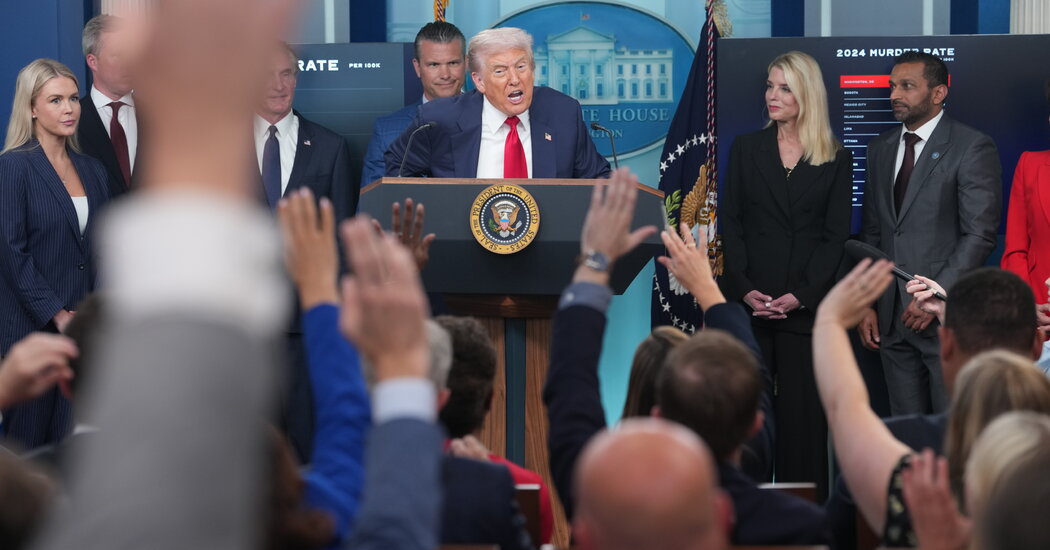
Andrew here. We’re digging deeper into President Trump’s tariff talks with China, which have been postponed for another 90 days. (Some critics are calling it another TACO — short for “Trump Always Chickens Out” — moment.) We’re also still thinking about the implications of the deal Trump reached in which Nvidia will pay 15 percent of revenue from A.I. chip sales to China. Will Beijing view this as state-sponsored capitalism? Will Nvidia — and by extension companies like Apple and Tesla — no longer be viewed as independent businesses but…
‘Cherry on the Cake’: How China Views the U.S. Crackdown on TikTok
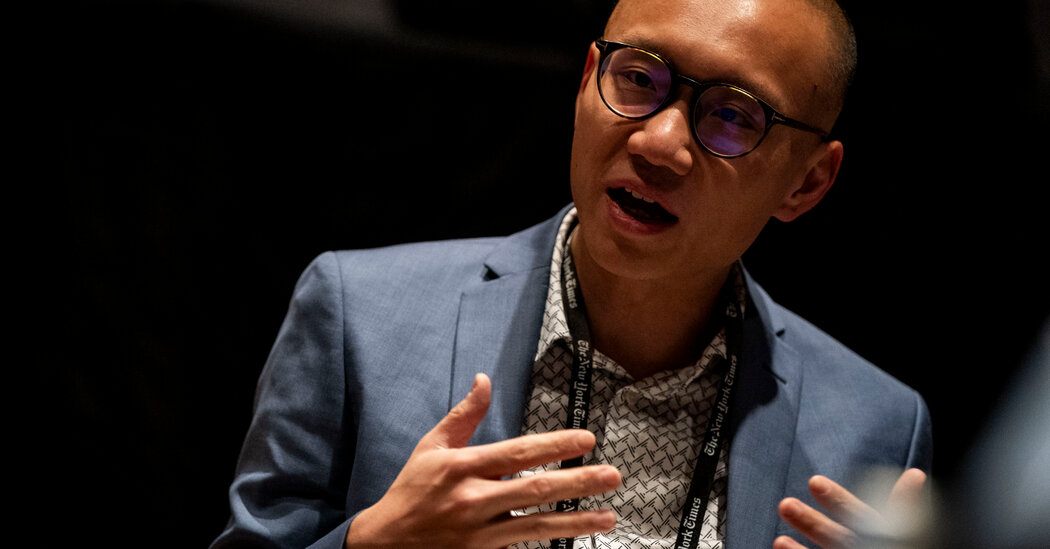
Dan Wang has been a leading observer of contemporary China for years. As a tech analyst at Gavekal Dragonomics, a research firm, and through his well-read newsletter, Wang has charted the country’s rise as a fast-growing high-tech economy and, more recently, its slowdown and rising tensions with the United States. Wang is now a visiting scholar at Yale Law School’s Paul Tsai China Center and writing a book about relations between the United States and China. He spoke with DealBook about how China views the latest U.S. crackdown on TikTok.…
A Ban? A Sale? The Big Questions Hanging Over TikTok
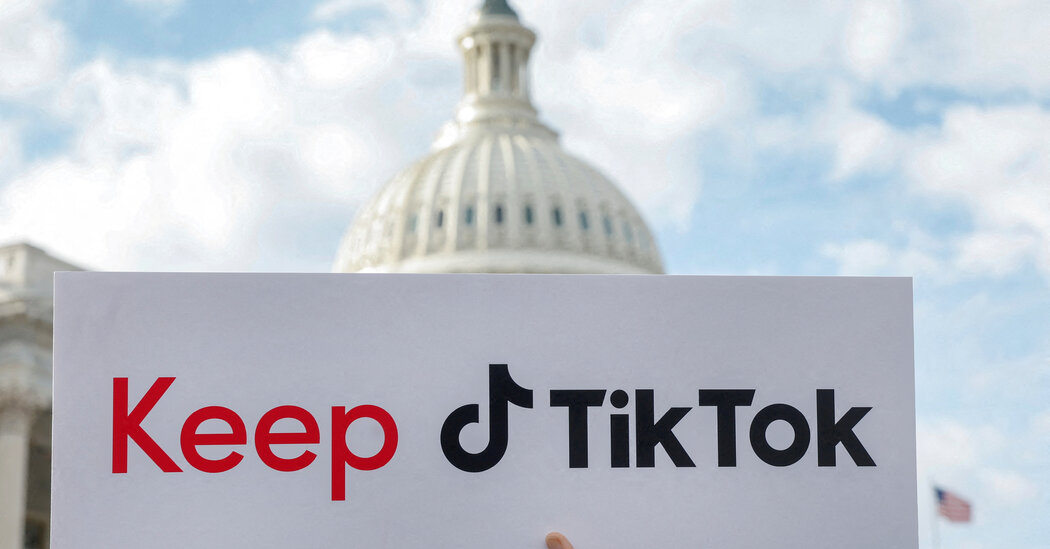
TikTok faces a crucial vote The House is set to vote on Wednesday on a bill that would ostensibly present ByteDance, the Chinese owner of TikTok, with an ultimatum: sell TikTok’s U.S. operations, or have the app barred. But there’s a fight brewing over whether it’s actually possible for ByteDance to sell TikTok — or if the bill is effectively a ban disguised as a call for divestment. The bill itself never uses the word “ban,” but it frames the measure as a necessary effort “to protect the national security…
The Clock Ticks for TikTok
Another round in the TikTok fight The warnings against TikTok aren’t letting up, with U.S. security officials saying China is using the platform to meddle in elections and lawmakers calling the video app a global threat. The sharp rhetoric isn’t new, but it raises a question for policymakers and business: Is the new push to force ByteDance, the company’s Chinese owners, to divest a real step change or just political posturing? The House is barreling toward a vote on Wednesday that would force ByteDance to sell. Representative Steve Scalise, Republican…
Is China’s Era of High Growth Over?
China’s real growth agenda China announced an official growth target of about 5 percent on Tuesday that’s already looking hard to pull off. The world’s second-biggest economy is facing headwinds, from a consumer slowdown to weak investor confidence and a trade war with the West. But the growth target only tells part of the story of how Beijing is rethinking economic policy. Left out of the pronouncements: a stimulus package. Investors watch the annual gathering of the National People’s Congress, the country’s rubber-stamp parliament, and a parallel meeting of China’s…
What Evergrande’s Collapse Might Mean for the Global Economy
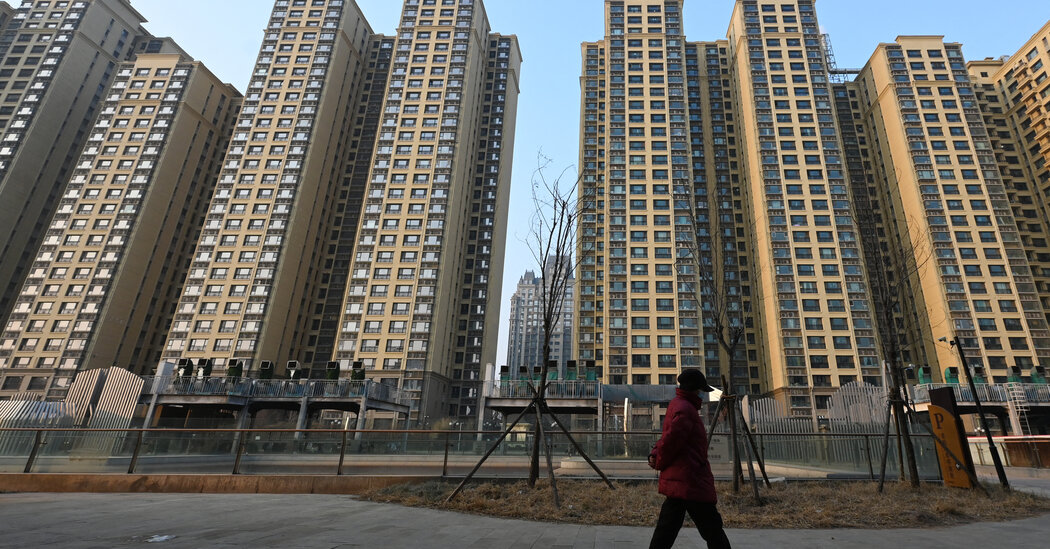
What next for Evergrande’s creditors? A Hong Kong court on Monday ordered the liquidation of Evergrande, the heavily indebted Chinese property giant. The decision comes two years after the company defaulted, setting off a financial crisis at other developers and adding to the challenges facing the world’s second-largest economy. The company’s dissolution raises questions about fairness for overseas creditors — which could have wider implications for foreign businesses operating in China. How Evergrande fell: The company was once deemed too big to fail, racking up debt to expand during a…
Jack Ma Doubles Down on Alibaba
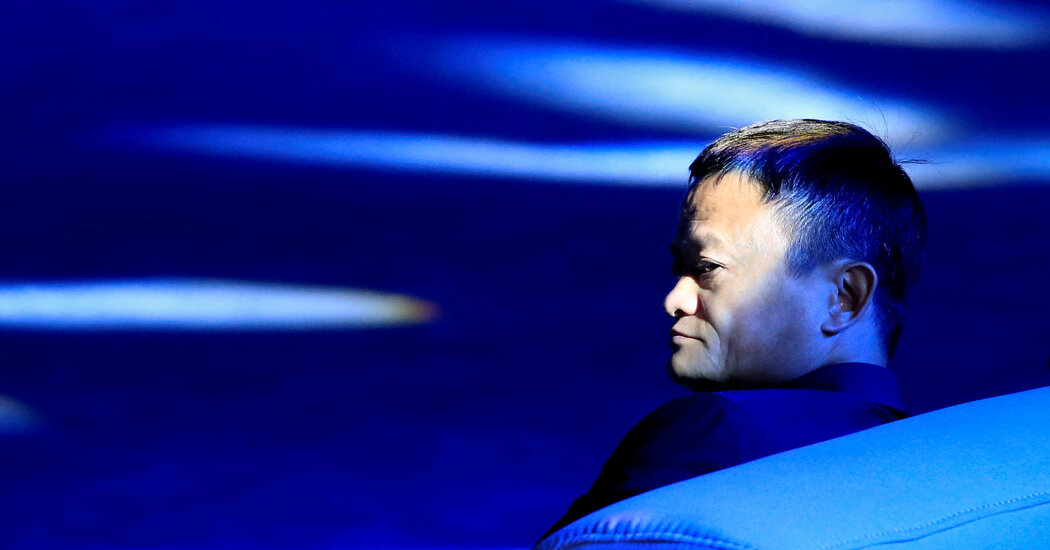
Tsai has bought about $151 million worth of Alibaba’s U.S.-traded shares in the fourth quarter, via his Blue Pool Management family investment vehicle, a securities filing confirmed on Tuesday. Ma, who stepped down as the company’s executive chairman in 2019 but remains a major shareholder, bought $50 million worth of Hong Kong-traded stock in the quarter, according to a person with knowledge of the matter. (Both men already hold sizable amounts of Alibaba stock.) The purchase sizes aren’t huge — Alibaba’s market capitalization is about $171 billion — but given…
Taiwan Goes to the Polls
Tomorrow is Election Day in Taiwan, where the selection of a new president will shape the island’s relationship with China — and, by extension, shape international affairs. Today’s newsletter offers a guide. We know that many readers have paid little if any attention to the campaign, but it’s been fascinating and has implications for the competition over global influence between the U.S. and China. Background The fate of Taiwan is one of the big unknowns of the 2020s. It is now a thriving democracy of around 23 million people, with…