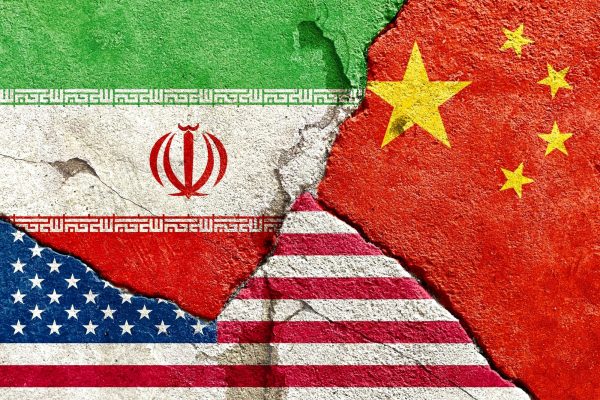
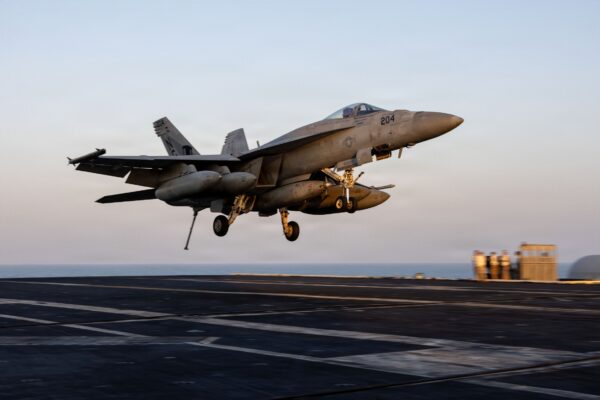
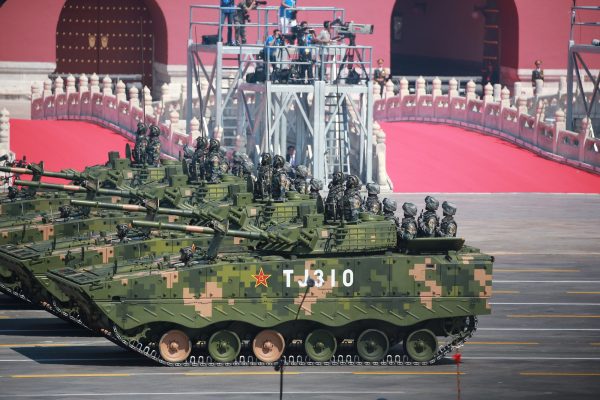
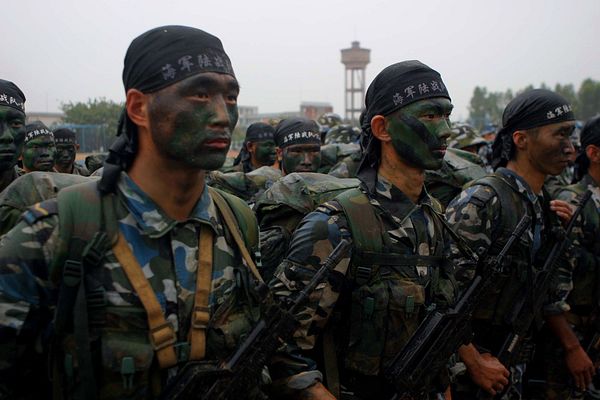
At the outset of the Israeli-U.S. attack, Iran’s ailing Supreme Leader Ayatollah Ali Khamenei, along with hundreds of Iranian civilians, was killed. China condemned the United States for “flagrantly violating” Iran’s sovereignty and territorial integrity, just as it did in the aftermath of the Venezuela operation. However, rhetoric aside, China has taken no concrete action. Some observers contrast the United States’ projection of military power at muzzle velocity with China’s inaction. They argue that Beijing can do little but watch its friends fall one by one, seriously diminishing its global…
Category: The Diplomat
How Taiwan Views the US War With Iran
After joint Israeli-U.S. military strikes on Iran sparked Iranian retaliation that has impacted every country in the Middle East, Taiwan was quick to register the large shift in global geopolitics. The most immediate concern was the safety of Taiwanese in the region. The Lai administration stressed a speedy response by diplomatic representatives of Taiwan abroad to maintain the safety of Taiwanese citizens in the Middle East. Thirty-eight Taiwanese citizens in Israel were evacuated to Jordan, while three Taiwanese in Iran evacuated to Turkiye. However, the Lai administration stressed that the…
Why the US Strikes on Iran Won’t Derail the Trump-Xi Summit
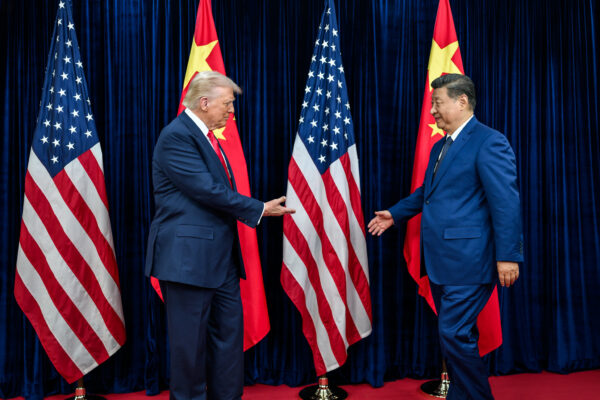
Within hours of the United States and Israel launching “Operation Epic Fury” against Iran on February 28, timelines across the Washington policy world and the China-watching community converged on a single question: is U.S. President Donald Trump’s planned visit to Beijing, confirmed by the White House for March 31 to April 2, now dead? The surface logic seemed persuasive. China’s Foreign Minister Wang Yi called the strikes “unacceptable,” condemning the killing of a sovereign leader and the incitement of regime change. Foreign Ministry Spokesperson Mao Ning stated the operation “tramples…
China’s February 26 Military Purge: The Domino Effect
On February 26, ahead of the important annual Two Sessions meetings, China’s National People’s Congress (NPC) removed ten People’s Liberation Army (PLA) officers from their posts as NPC deputies. Under Chinese political conventions, this development usually indicates serious trouble for the individuals involved. Although the NPC did not provide reasons for their removal, an analysis of these officers’ backgrounds suggest that their ouster was motivated by connections to previously purged generals. In other words, earlier purges appear to have started a domino effect within the PLA, triggering the downfall of…
Taiwan and the Politics of ‘Murder of the Century’
February 28 is Peace Memorial Day in Taiwan. It honors victims of the White Terror era when the authoritarian Kuomintang (KMT) regime suppressed dissent after an anti-government uprising on February 28, 1947. Thousands perceived as dissidents died in that era until martial law was finally lifted in 1987. Taiwan has since become a vibrant democracy. Now a new movie, “Murder of the Century,” has stirred public fury in Taiwan over the attempt to rewrite one of the most infamous murders of that time in a way that aligns with China’s…
Merz in China: Germany Between De-Risking and Strategic Partnership
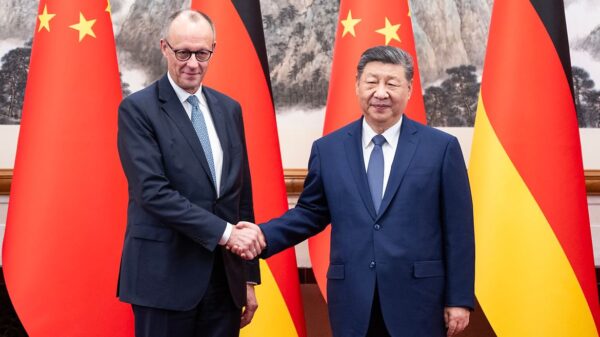
German Chancellor Friedrich Merz concluded his inaugural visit to China on February 26. The two-day trip saw Merz leading a senior business delegation, and committing to advance a “comprehensive strategic partnership” in meetings with President Xi Jinping and Premier Li Qiang. Merz’s visit followed trips to China by France’s Emmanuel Macron and the United Kingdom’s Keir Starmer, reflecting a broader European effort to stabilize relations with Beijing despite ongoing tensions over trade, market access, and strategic competition. Despite talk of a “reset” in Sino-German relations, Merz’s trip was less about romance and more about realism.…
Inside CCTV’s Lens: How China Frames the Iran Protests
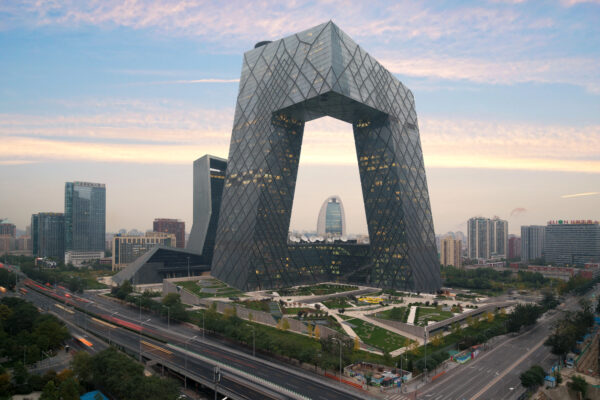
The renewed crisis between the United States and Iran in early 2026, alongside the wave of Iranian protests that began on December 28, 2025, provides a revealing case study for understanding the framing patterns of Chinese state media. The 7:00 p.m. flagship broadcast of China Central Television (CCTV) is widely regarded as the country’s most authoritative and politically significant news program, consistently reflecting the ideological and diplomatic priorities of the Chinese Communist Party (CCP). CCTV’s coverage is not neutral or merely informational, but reflects a clear normative framing consistent with…
China’s Erasure of Ethnic Minority Languages
How is the Chinese government marking international mother language day on February 21? By legalizing the erasure of mother languages. In December 2025, according to the NPC Observer, the National People’s Congress Standing Committee signed off on revisions to the Law on the Standard Spoken and Written Chinese Language, originally adopted in 2000. The revisions remove a provision that allowed speakers of “minority languages” to use those as the medium of instruction in schools, stating simply that such education is “no longer necessary.” A years-long trend of replacing Mongolian-, Tibetan-,…
How China Views Bangladesh’s Election
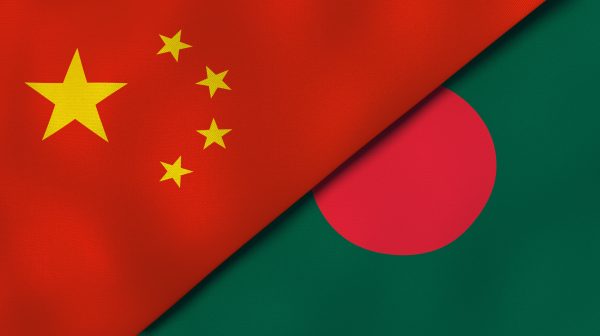
On February 12, the Bangladesh Nationalist Party (BNP) secured a landslide victory in Bangladesh’s 13th Jatiya Sangsad (Parliament) election. This was the first nationwide election following the student-led protests of July-August 2024, which forced former Prime Minister Sheikh Hasina to leave the country. The voting thus carried considerable significance. For China, the election represented not only a political event but also a critical moment of observation, with implications both for political stability in Bangladesh and the future of Bangladesh-China relations. On February 13, responding to a journalist’s question regarding Bangladesh’s…
China’s Military Purges Won’t Change Its Taiwan Calculus
Last month, Beijing placed Central Military Commission (CMC) Vice Chairman Zhang Youxia and CMC member Liu Zhenli under investigation for alleged disciplinary violations. Predictably, the news set off a wave of speculation about what the purges mean for Taiwan. These narratives largely miss the point. The purges carry real implications for China’s domestic politics and short-term military readiness, but their relevance to Beijing’s Taiwan policy is limited. Commentary linking military purges to Taiwan contingencies tends to fall into three camps. Some argue that the likelihood of war has increased because…