The war in Iran and the effective closure of the Strait of Hormuz have inflicted deep economic pain on many countries and sent some industries into a tailspin as they struggled with higher prices for energy, fertilizer and chemicals.
It may also have given China a competitive edge.
While the energy shocks and supply chain challenges stemming from the war have posed some challenges for China, the country has largely managed to avoid the kind of inflation spike and cascading economic and political effects that have afflicted many other nations.
The reason: China’s oil and gas reserves and clean energy supplies have allowed it to avoid the worst of the effects, according to an analysis published Monday by The Asia Group, a Washington-based consulting firm. That is reinforcing the country’s position as a competitive place for manufacturing.
The firm looked at the effects of disruptions in the strait and how it affected Asian economies and politics. One main takeaway is that the crisis has demonstrated Beijing’s ability to use prices, export controls, subsidies and a managed currency to absorb shocks in its economy.
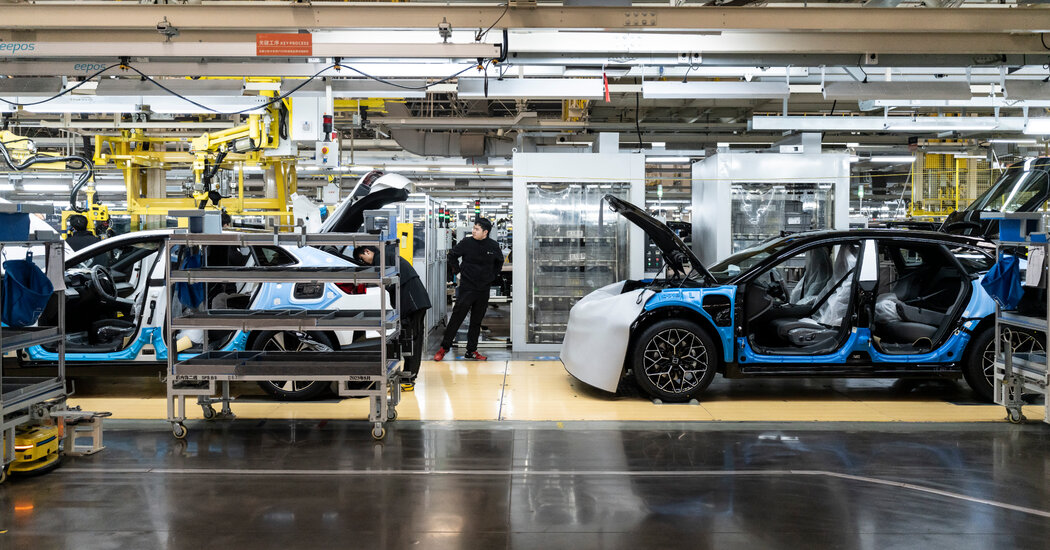
The disruptions spurred by the United States have also helped Beijing to promote itself to other countries as the stable partner of choice, and accelerated global demand for clean energy technology like solar panels, batteries and electric vehicles, industries that China dominates.
“It’s hard not to come to the conclusion that China is a winner here,” said Kurt Campbell, the chairman and co-founder of The Asia Group and a former deputy U.S. secretary of state in the Biden administration.