Weapon or wine bottle? China disputes reports of artillery shell in Papua New Guinea
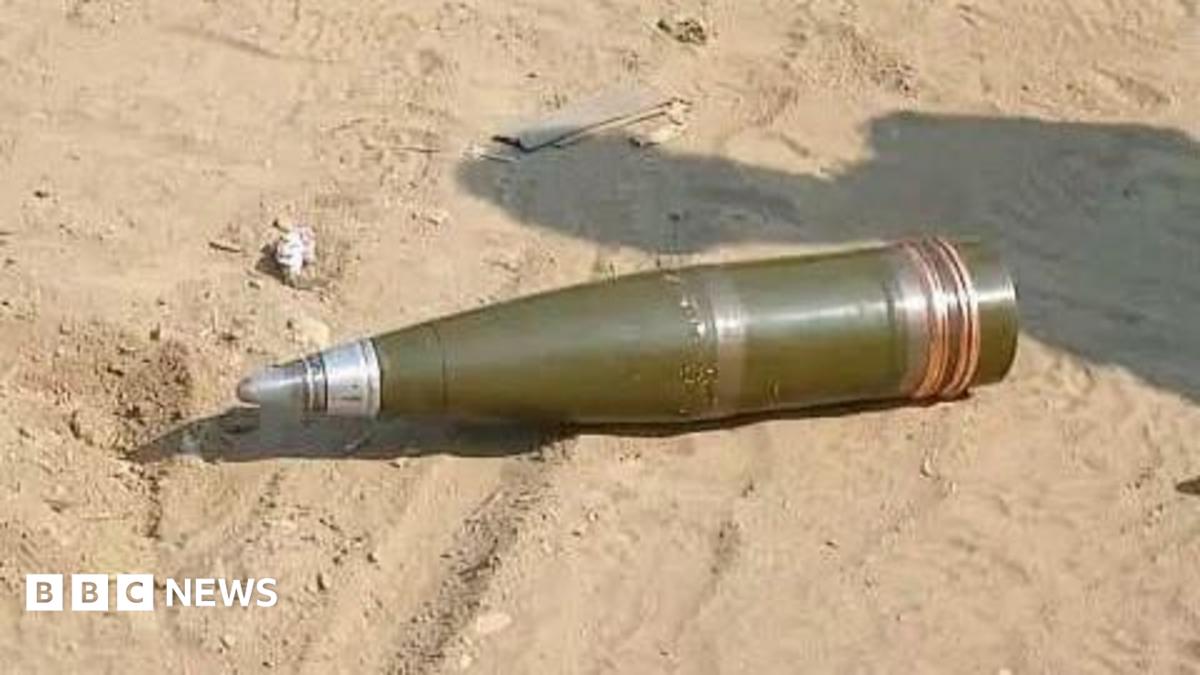
Chinese authorities have dismissed reports that a suspected China-made artillery shell was found in a commercial shipping container in Papua New Guinea, saying it is a “shell-shaped wine bottle”. “It poses no danger at all,” the Chinese embassy wrote in a Facebook post on Tuesday, drawing skeptical comments. Police in Port Moresby arrested four Chinese nationals last Friday after the 32kg object was found at a construction site in the capital city. Authorities were looking into whether it was a live device, local reports said then, with police commissioner David…

Strategy outline signals U.S. is open to engagement with Myanmar military government

Read a version of this story in Burmese The U.S. State Department’s recently released Integrated Country Strategy document for Myanmar outlines Washington’s aims to use diplomacy to promote peace in the volatile Southeast Asian country, potentially providing access to rare earth deposits dominated by China. The policy document lays out four mission goals, which include protecting U.S. citizens, addressing trade deficits, promoting peace, and increasing U.S. regional influence through engagement. us-myanmar-strategy-rare-earths Lwe River network, Mekong Tributary, with clusters of rare earth mines in Shan State, Myanmar, Nov. 11, 2025. (Planet…

Trump’s troubles with Iran could open the door to China

Client Challenge JavaScript is disabled in your browser. Please enable JavaScript to proceed. A required part of this site couldn’t load. This may be due to a browser extension, network issues, or browser settings. Please check your connection, disable any ad blockers, or try using a different browser. The Guardian

China’s Message to Its Rivals: You Need What We Make

They are among the biggest machines in the world: steel cylinders, some as long as a football field, armed with rotating discs that can chew through rock to clear the way for roads and railways. Known as tunnel-boring machines, they are made by only a handful of companies, mostly in factories in China. India uses them to dig tunnels, including in the Himalayas, to improve its ability to send troops to defend its contested border with China. But starting this month, Beijing is likely to be able to control whether…