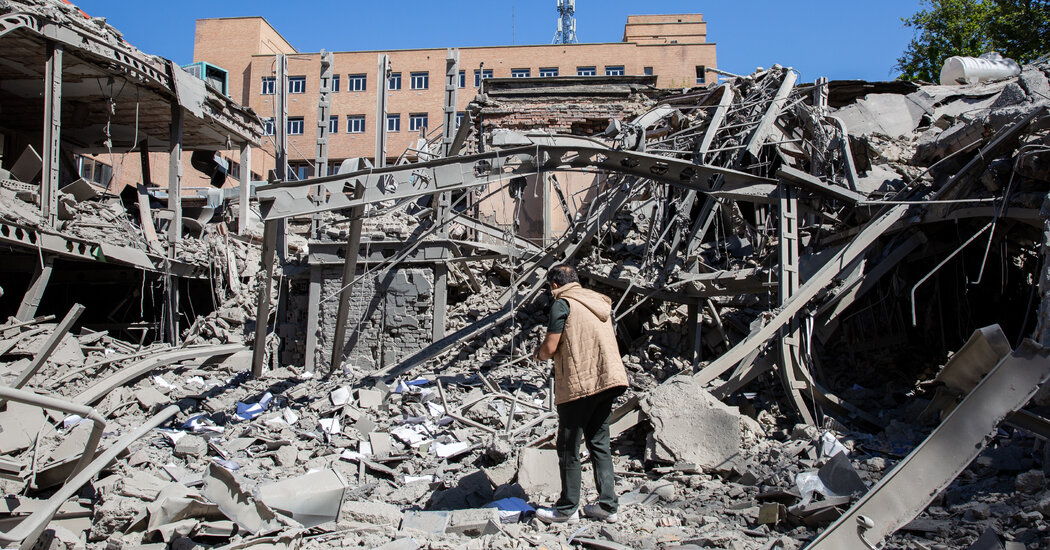
As the United States works to rebuild its supply of missiles and munitions after deploying many of them in the war with Iran, its defense contractors will need a supply of rare-earth minerals and magnets that are essential to making those weapons.
But China dominates global production of those minerals, and it has enacted tight controls over them in the past year to cut off any foreign companies linked to the military and to put political pressure on the Trump administration.
China deployed its control over the mineral supply chain as a powerful source of leverage last year, clamping down on exports until the Trump administration agreed to reduce its punishing tariffs. Christopher Padilla, a former trade official in the George W. Bush administration, said that the U.S. decision to burn through many precision munitions in the Iran war had only increased that leverage.
At least in the next few years, the U.S. effort to rebuild its stockpile “means we need access to rare-earth minerals from China,” he said, adding, “Every missile fired at Iran makes us that much more dependent in the near term on China and its rare-earth minerals.”
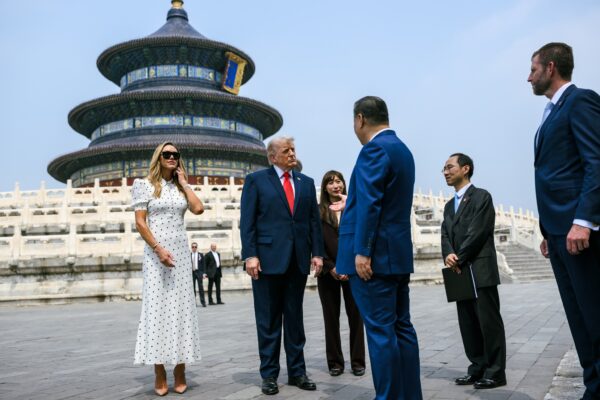
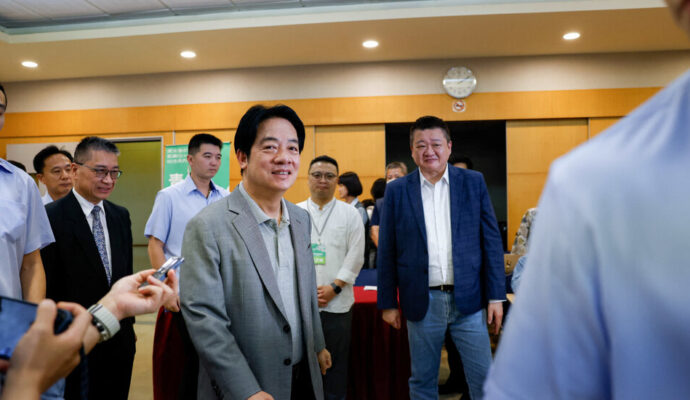
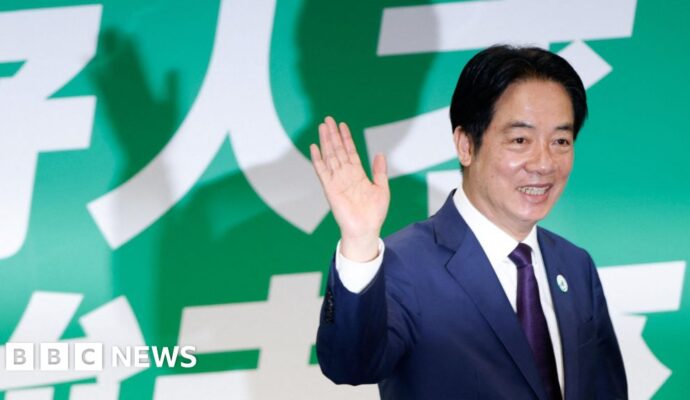
The war in Iran is expected to figure into talks between the United States and China in Beijing this week in a variety of ways. The United States is eager to enlist the help of China, a strategic partner of Iran, in carrying out its negotiations. The drawdown in U.S. munitions stockpiles has raised questions about America’s ability to take on other military actions, including defending Taiwan against any Chinese incursion.
But simply rebuilding the U.S. arms supply could be a more immediate issue for the U.S.-China relations. Estimates from the Defense Department and Congress suggest that the United States deployed around half of its long-range stealth cruise missiles and roughly 10 times the number of Tomahawk cruise missiles it currently buys each year since the Iran war began in late February.