Xi Jinping and Vladimir Putin exchanged “congratulatory letters” on Sunday ahead of the Russian president’s visit to Beijing this week, four days since Donald Trump left China after a high-stakes summit. Xi, China’s leader, said bilateral cooperation between Russia and China had “continuously deepened and solidified”, with this year marking the 30th anniversary of the two countries’ strategic partnership, according to Chinese state media. Putin’s visit to Beijing is scheduled on Tuesday and Wednesday. An article published in state media tabloid the Global Times on Monday said the visits of…
Day: May 17, 2026
China unveils world’s first titanium-copper medical implant designed to cut infection risk

China has unveiled the world’s first copper-blended titanium implant for orthopaedic surgery after more than a decade of research and development. This innovative material retains the exceptional strength and hardness characteristic of titanium alloy medical devices while significantly reducing the risk of post-operative infection, according to its developers. On April 21, the world’s first bone pin made using the material was approved for market release by China’s National Medical Products Administration. Advertisement The device was developed through a collaboration between Silvan Medical, a Suzhou-based medical device firm, and the Shenyang-based…
How does the Strait of Hormuz stand-off look in the wake of the Trump-Xi summit?
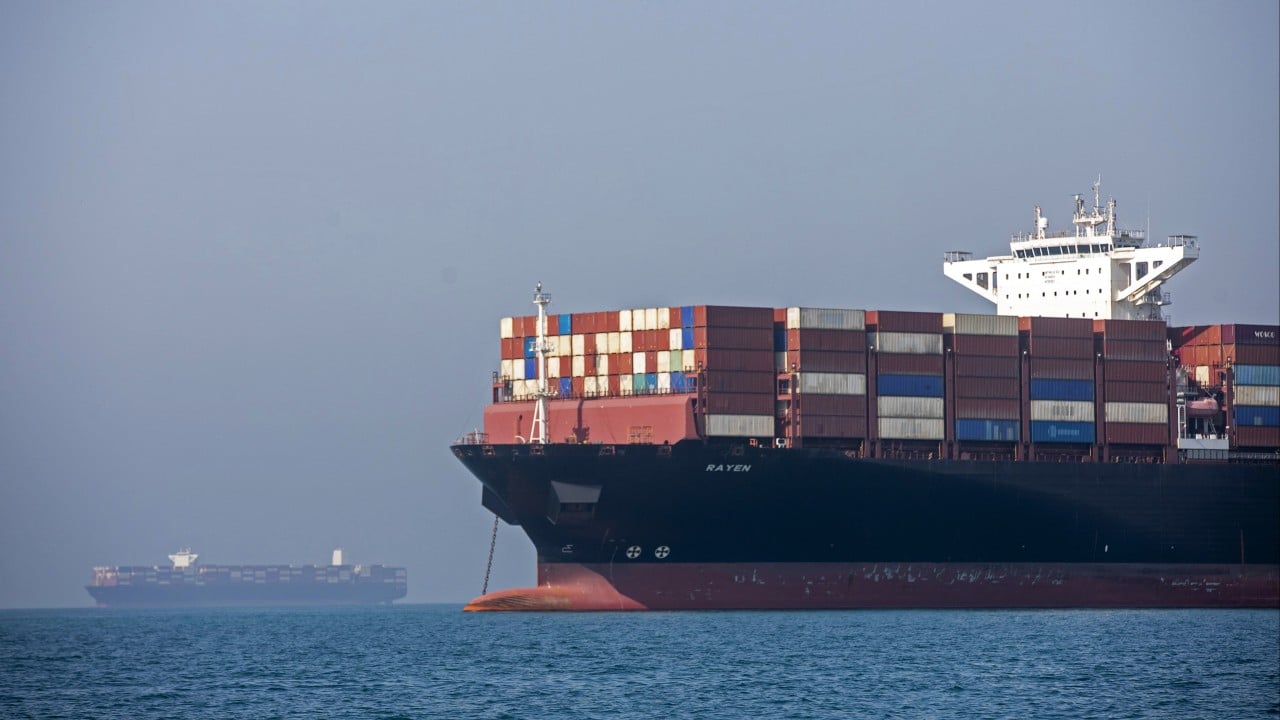
As the impasse continues, here is where things stand. Iran prepares new transit mechanism Tehran is moving to formalise its control over the strait with a “professional mechanism” to regulate shipping. Advertisement “The necessary fees will be collected for the specialised services provided under this mechanism,” Ebrahim Azizi, the head of the Iranian parliament’s national security commission, wrote on social media on Saturday. He said only commercial vessels and parties cooperating with Iran would benefit, adding: “This route will remain closed to the operators of the so‑called ‘freedom project’.” Advertisement…
Eager for Arms Deal, Taiwan Stresses Need for U.S. Support
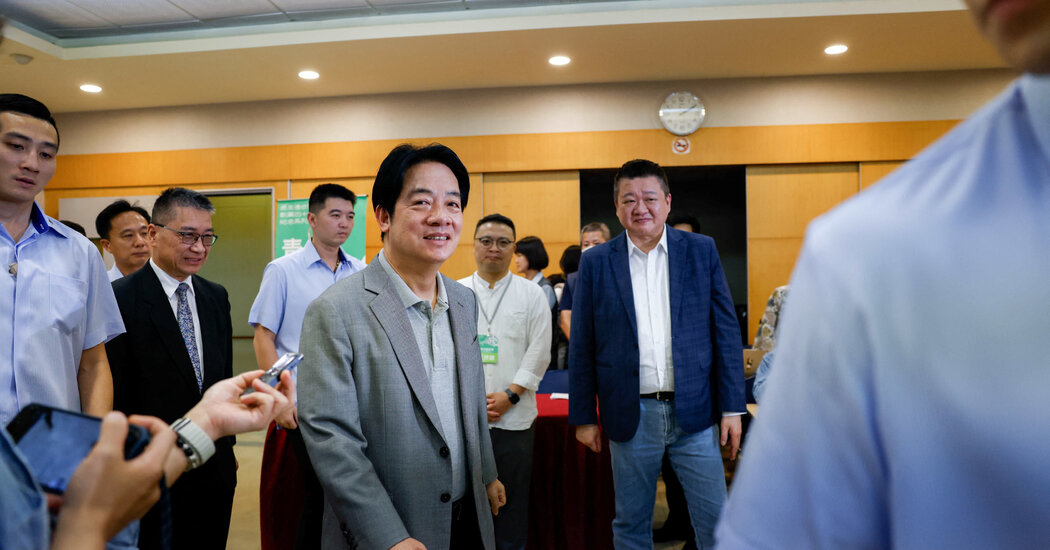
President Lai Ching-te of Taiwan said on Sunday that weapons sales from the United States remained a crucial element for maintaining peace and stability in the region, comments made after President Trump suggested a multibillion dollar weapons deal with the island could be used as a “negotiating chip” with China. Mr. Lai made a point to thank Mr. Trump for his support since his first term as president, including “a sustained increased in the scale and value of arms sales to Taiwan, assisting us in strengthening our self-defense capabilities.” Continued…
Mainland China’s Wu Yongping on what the Xi-Trump summit means for Taiwan
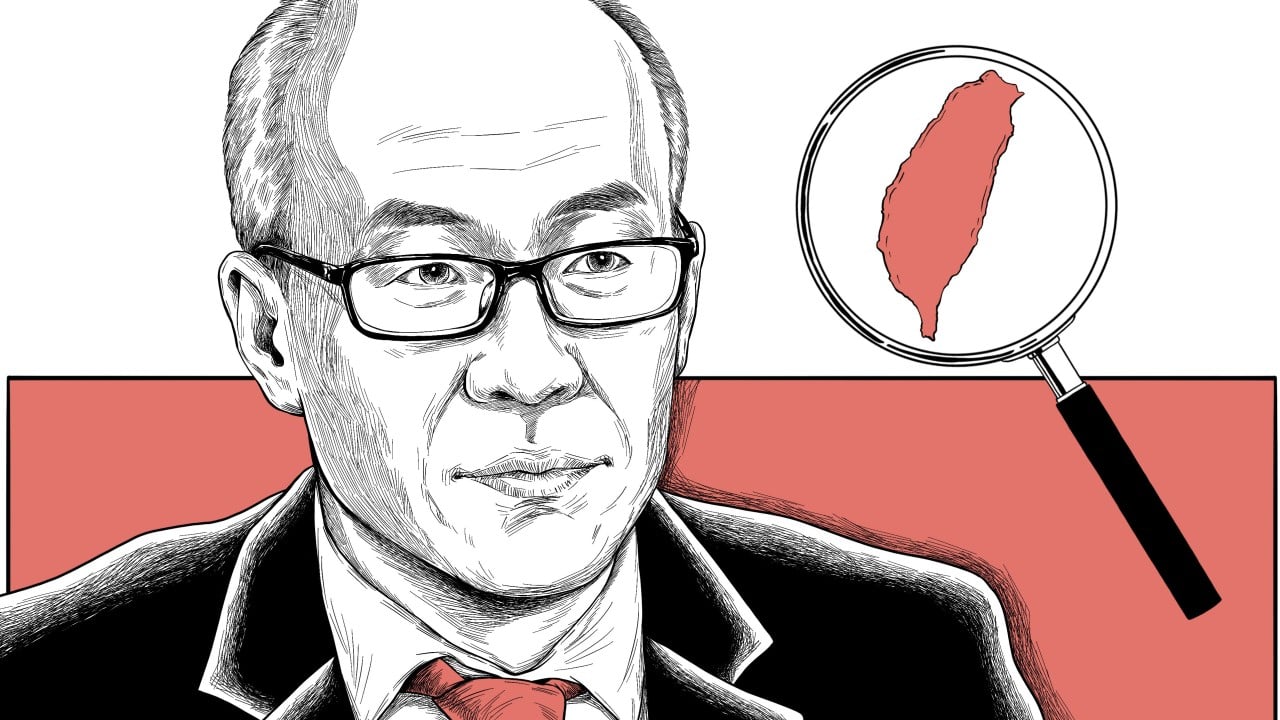
Wu Yongping is one of mainland China’s leading specialists on Taiwan affairs and dean of the Institute for Taiwan Studies at Tsinghua University in Beijing. Here, he shares his views on signals from the Xi-Trump summit, and discusses peaceful reunification between the mainland and Taiwan and how it could be achieved. Advertisement This is a very direct way of emphasising the importance of the Taiwan question and it lays out the most severe possible consequences – something quite rare. Advertisement In Chinese diplomatic practice, “tough words are said upfront”. If…
China will buy at least US$17 billion of US farm goods annually, White House says
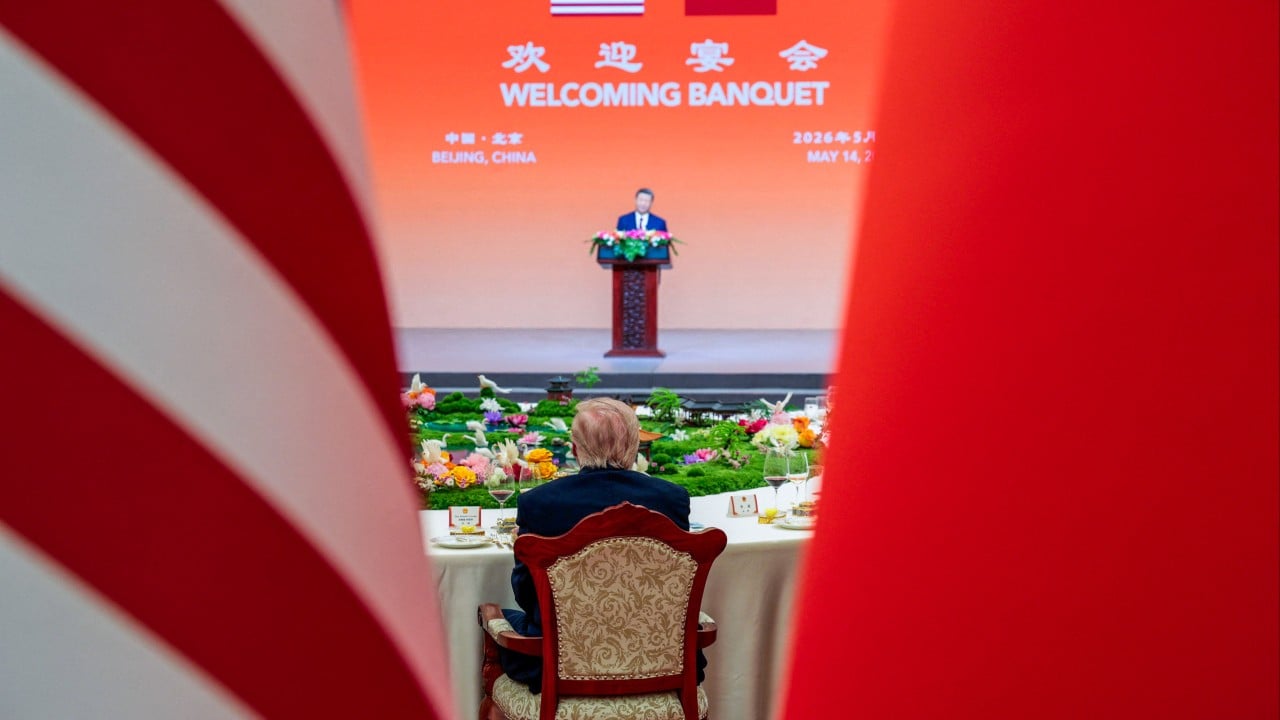
China has agreed to buy at least US$17 billion in US agricultural products annually through 2028, the White House said on Sunday. The commitment resulted from the summit between US President Donald Trump and Chinese President Xi Jinping last week and will be in addition to soybean purchase commitments that were made in October 2025, according to a fact sheet released by the White House. Trump concluded his highly-anticipated state visit to China on Friday, during which he discussed topics spanning trade, Taiwan and Iran with Xi. Advertisement The White…
Norway arrests Chinese man for spying, interior security service says
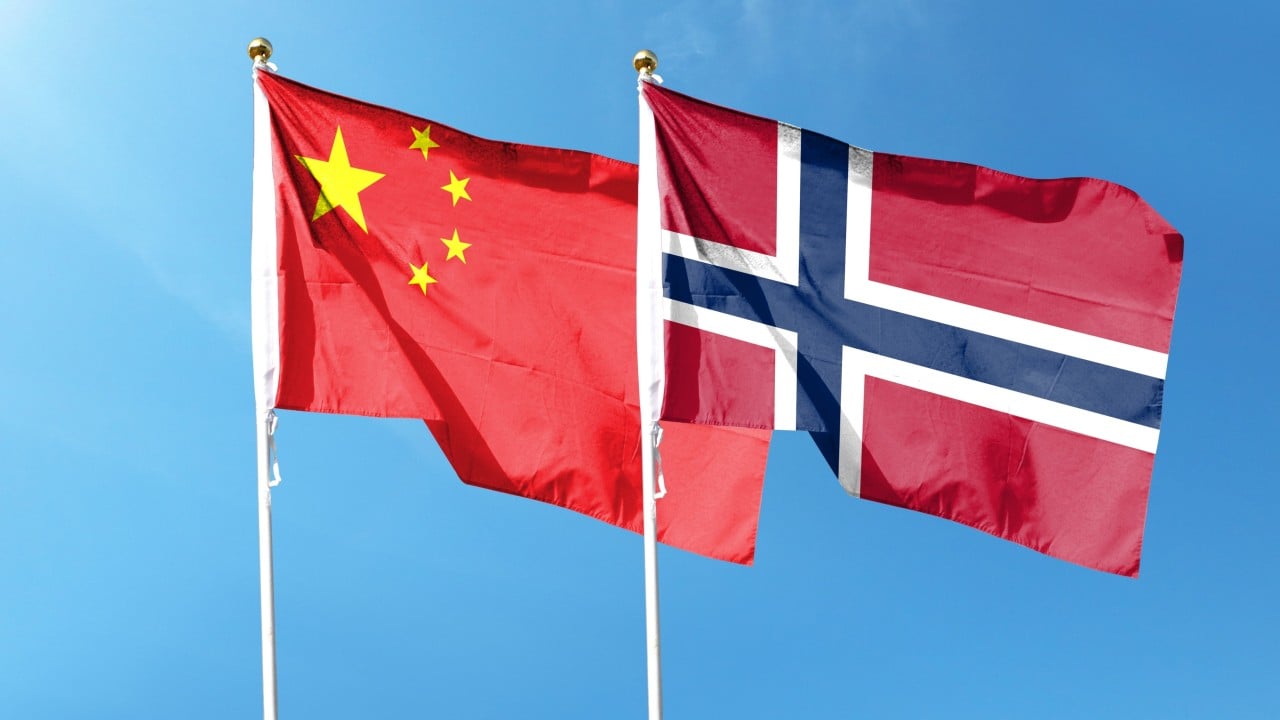
Norway’s interior security service, PST, said on Sunday a Chinese man had been arrested in the country’s north for spying, just weeks after a Chinese woman was arrested suspected of spying on satellite data. The suspect was arrested on Friday by the Nordland police district, Eirik Veum, PST’s media spokesman, told Agence France-Presse. Veum said the man was suspected of “attempted illegal intelligence activities in Nordland”, but declined to provide further details on the nature of the activities. Advertisement On Sunday, a Norwegian court ordered that the suspect be remanded…
Will the Trump-class battleship really be able to deter China?
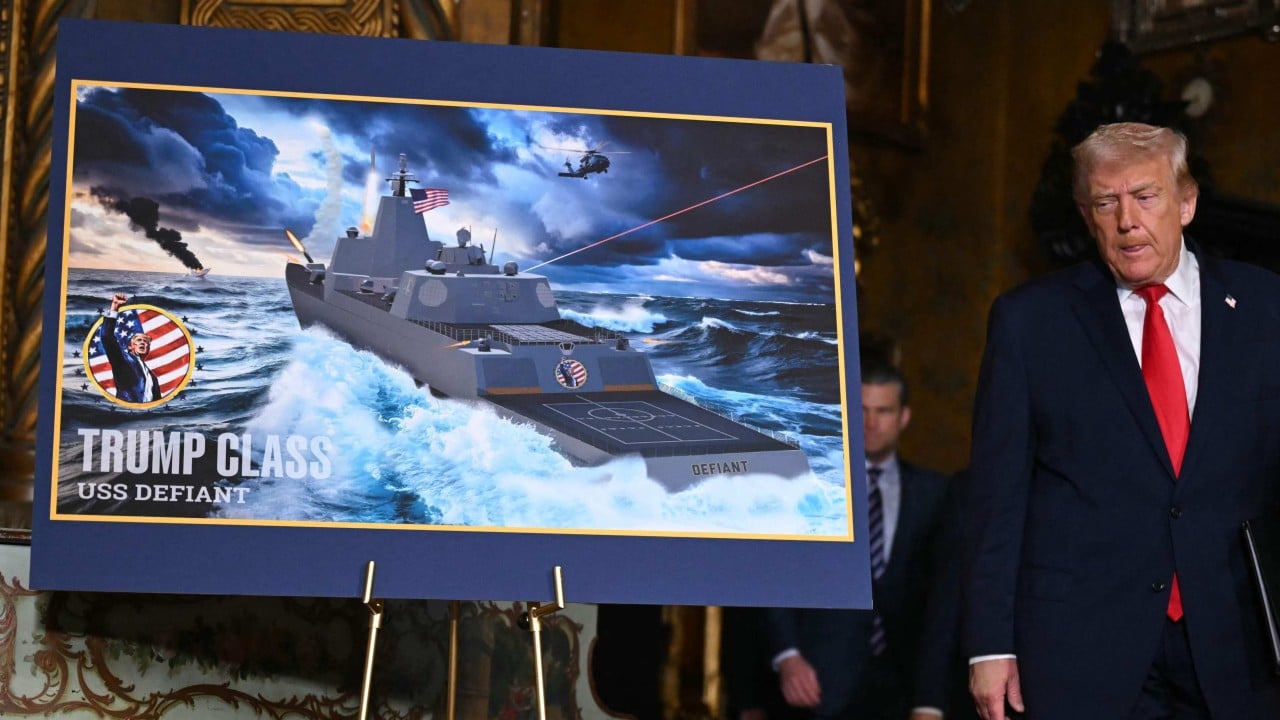
US plans to build up to 15 battleships designed to serve as a “strike-centric arsenal ship” to deter China have been called into question. Analysts said the ships would not only be vulnerable to anti-ship missiles, but would also be expensive to operate and maintain, and questioned whether the United States had the industrial capacity to build the vessels. On Monday, the US Navy outlined its shipbuilding plan for the next three decades, including a detailed layout for what the White House has dubbed the “Golden Fleet”. Advertisement The plan…
Wang Xiaodong, derided over Covid-19 handling, comes under corruption cloud
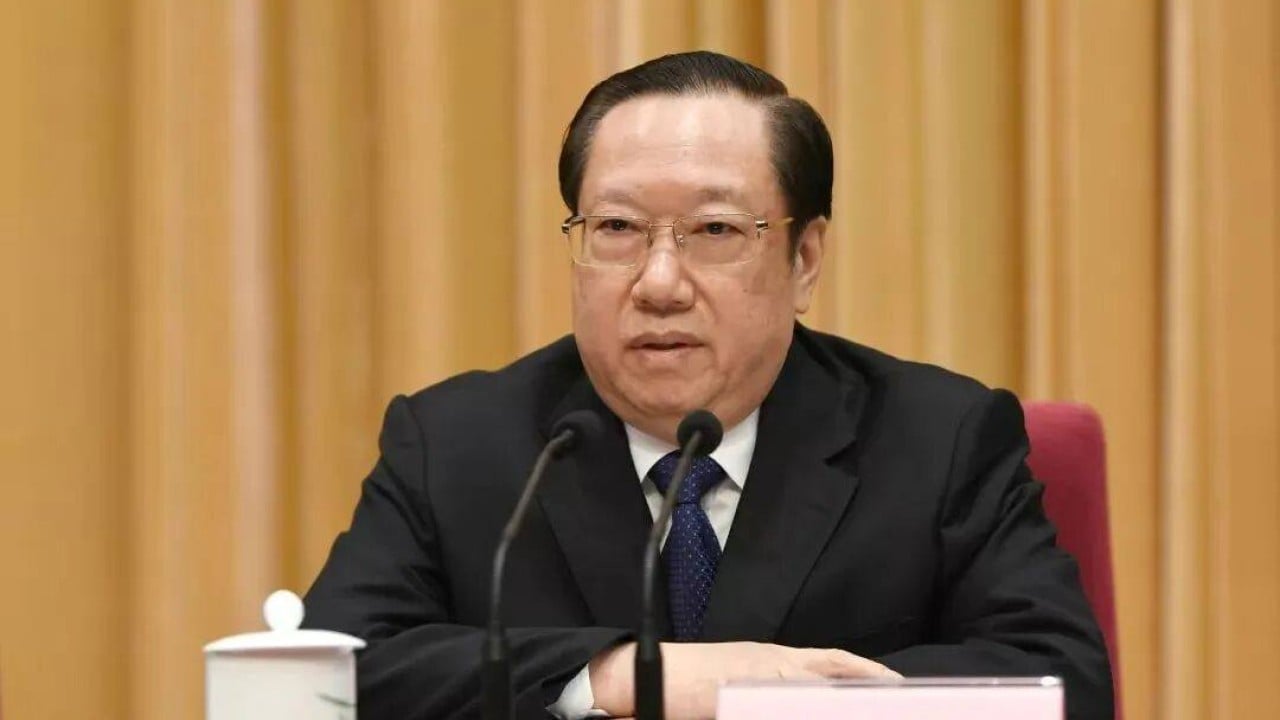
The former Chinese governor criticised for mishandling the Covid-19 outbreak is under investigation for corruption. The Central Commission for Discipline Inspection (CCDI), China’s top political disciplinary body, said on Sunday that Wang Xiaodong, 66, who was governor of Hubei province in 2020 as the coronavirus developed into a pandemic, was suspected of “serious violations of discipline and law” – the standard euphemism for corruption. Wang was Hubei’s governor from 2017 to 2021 and was widely ridiculed on social media after he said at a press conference in late January 2020…
Here’s the Trade Deal That Trump and Xi Should Have Reached

With some family gatherings, the best you can hope for is that no one gets drunk and starts a fistfight. Expectations when President Trump and China’s leader, Xi Jinping, met on Thursday and Friday were similarly low — and they were met. Mr. Trump had some warm words about the duo’s “fantastic future” and how the Chinese would buy American goods, but the meeting ended without clear progress toward resolving the two sides’ trade disagreements. The result was like a host saying brightly, “It’s so nice when you all get…