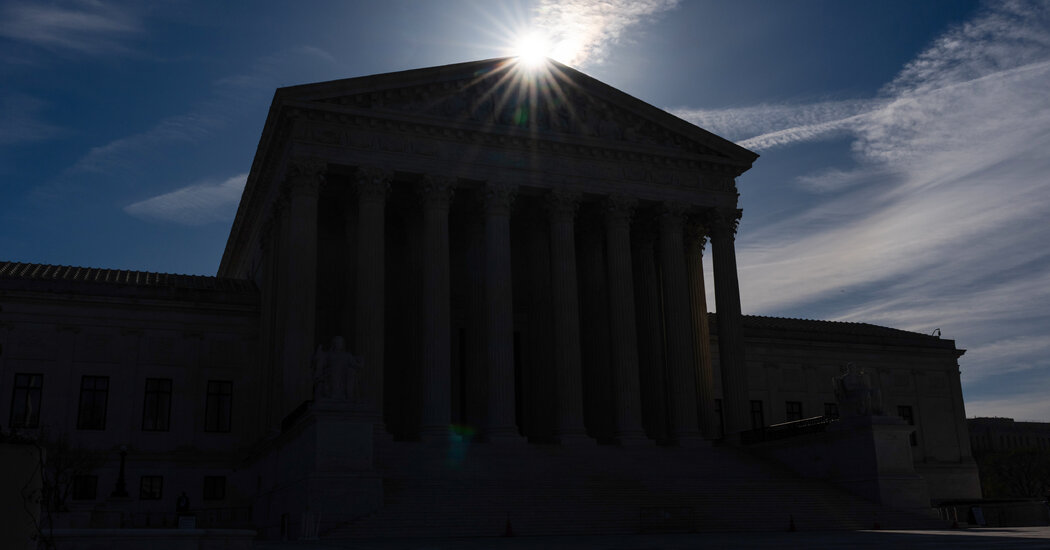
In 2016, a surprise decision from the Supreme Court “sent both climate policy and the court itself spinning in new directions,” Jodi Kantor and Adam Liptak wrote in an investigation published last week.
The one-paragraph ruling halted the Clean Power Plan, President Barack Obama’s signature environmental policy, which was aimed at reducing emissions from power plants. The decision signaled the birth of the court’s modern “shadow docket,” which the court uses to issue short opinions and bypass the time-tested procedures of hearing oral arguments and publishing detailed explanation of the justices’ thinking.
The court has since used this emergency docket to grant President Trump more than 20 victories on issues like immigration and employee firings. Decisions made with it are typically temporary but can be enormously consequential.
At the heart of the case were the Obama administration’s attempts to address climate change. And, yet, even as Chief Justice John G. Roberts fretted about the costs to industry of allowing the rule to go into effect, not a single justice mentioned climate change throughout any of the memos The Times unearthed.
Since the investigation was published, environmental lawyers and former E.P.A. officials have criticized the court’s use of the shadow docket and called its decision rushed and flawed.
Claims of unbalanced evidence
The flurry of internal Supreme Court memos published by The Times began with a 2016 message from Chief Justice Roberts arguing that the court should move quickly to block Obama’s environmental policy.