Inside Taiwan: Standing Up to China 9pm, BBC Two Jane Corbin’s densely packed documentary investigates the precarious situation in Taiwan. President Xi Jinping’s government is accused of misinformation in its campaign to reunify the island with China, while Taiwan’s first female head of state, Tsai Ing-wen – overwhelmingly voted for by young people – faces a big battle to retain independence. Interviewees include a pro-Beijing campaigner and former gang leader, who shares footage of his party members battling pro-independence students. Hollie Richardson Dragons’ Den 8pm, BBC One How do you…
Tag: Television
Lonely, Single and Over 50? China Has a Game Show for That.
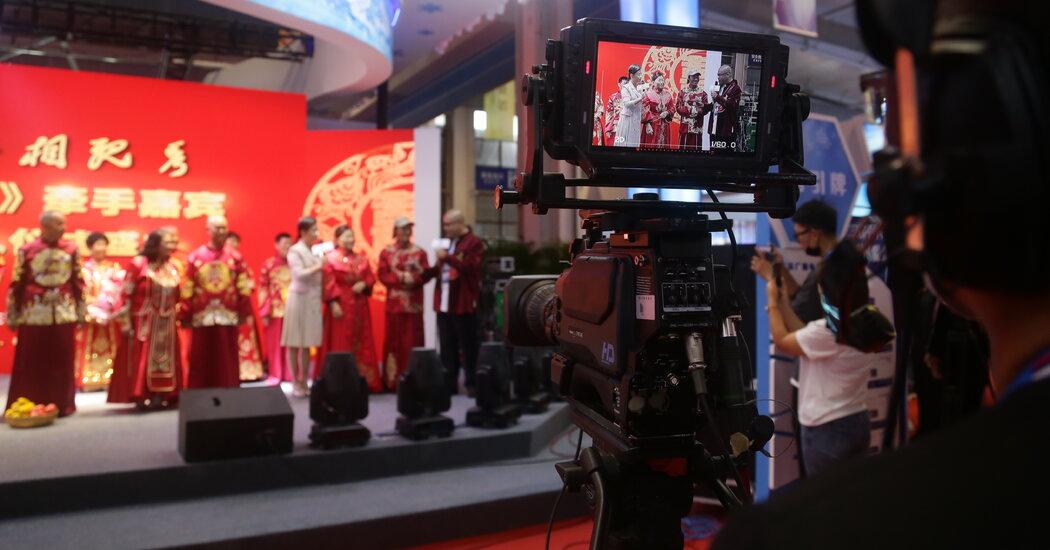
The introductory music was thumping, the male dating show contestant had walked onstage, and now came the interview portion, where female guests asked questions. One of the women launched right in. “Hello, sir,” said the 59-year-old woman, Yu Xia, scrutinizing the prospect intently through her rectangular glasses. “Is your child a son or a daughter? You said your wife died three years ago — have you come out from that shadow? And your health, it’s pretty good, right?” Welcome to one of China’s hottest new genres of television: dating shows…
An Alternate Reality: How Russia’s State TV Spins the Ukraine War
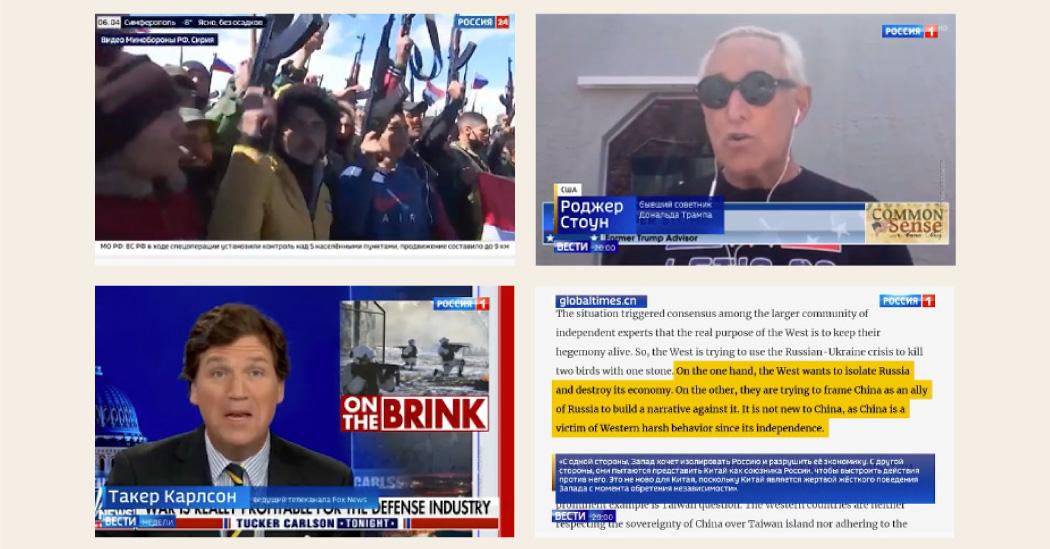
Collaboration between the Kremlin and state broadcasters dates back more than two decades, said Mr. Gatov, a former Russian journalist and an expert on state propaganda. Each day, the Kremlin provides a list of talking points for broadcasters. The closely guarded document, known as the “temnik,” is delivered to senior officials at V.G.T.R.K. and other organizations, outlining issues the Kremlin wants covered, positively or negatively, along with views to endorse and people to criticize, said Mr. Gatov, who has seen copies. The Kremlin’s tight control of the media has increased…
RTHK’s Swift Turn From Maverick Voice to Official Mouthpiece

HONG KONG — Not long after Patrick Li took over as the government-appointed director of Hong Kong’s public broadcaster, a digital lock pad appeared outside his office entrance. In the past, the director’s office had been where staffers at the broadcaster, Radio Television Hong Kong, gathered to air grievances with management decisions: programming changes, labor disputes. Now, the lock pad signaled, such complaints were no longer welcome. For many employees, the closed room was an emblem of the broader transformation sweeping through RTHK, the 93-year-old institution venerated by residents as…