Intelligence Agencies Warn Foreign Spies Are Targeting U.S. Space Companies

Chinese and Russian intelligence agencies are targeting American private space companies, attempting to steal critical technologies and preparing cyberattacks aimed at degrading U.S. satellite capabilities during a conflict or emergency, according to a new warning by American intelligence agencies. The National Counterintelligence and Security Center, the F.B.I. and the Air Force issued a new advisory to American companies Friday morning. The broad warning to industry said that foreign intelligence services could be targeting space firms, their employees and the contractors that serve those companies. Space companies’ data and intellectual property…

U.S. Hunts Chinese Malware That Could Disrupt American Military Operations

The Biden administration is hunting for malicious computer code it believes China has hidden deep inside the networks controlling power grids, communications systems and water supplies that feed military bases in the United States and around the world, according to American military, intelligence and national security officials. The discovery of the malware has raised fears that Chinese hackers, probably working for the People’s Liberation Army, have inserted code designed to disrupt U.S. military operations in the event of a conflict, including if Beijing moves against Taiwan in coming years. The…

Hacking of Government Email Was Traditional Espionage, Official Says

The hack of Microsoft’s cloud that resulted in the compromise of government emails was an example of a traditional espionage threat, a senior National Security Agency official said. Speaking at the Aspen Security Forum, Rob Joyce, the director of cybersecurity at the N.S.A., said the United States needed to protect its networks from such espionage, but that adversaries would continue to try to secretly extract information from each other. “It is China doing espionage,” Mr. Joyce said. “It is what nation-states do. We have to defend against it, we need…

Chinese Hackers Gained Access to Government Email Accounts, Microsoft Says

Chinese hackers intent on collecting intelligence on the United States gained access to government email accounts, Microsoft disclosed on Tuesday night. In a blog post, Microsoft said about 25 organizations, including government agencies, had been compromised by the hacking group, which used forged authentication tokens to get access to individual email accounts. Hackers had access to at least some of the accounts for a month before the breach was detected, Microsoft said. It did not identify the organizations and agencies affected. The new breach does not appear to be of…

Chips Make It Tough for the U.S. to Quit China

In May, Micron Technologies, the Idaho chipmaker, suffered a serious blow as part of the U.S.-China technology war. The Chinese government barred companies that handle crucial information from buying Micron’s chips, saying the company had failed a cybersecurity review. Micron said the change could destroy roughly an eighth of its global revenue. Yet in June, the chipmaker announced that it would increase its investments in China — adding $600 million to expand a chip packaging facility in the Chinese city of Xian. “This investment project demonstrates Micron’s unwavering commitment to…

Chinese Malware Hits Systems on Guam. Is Taiwan the Real Target?

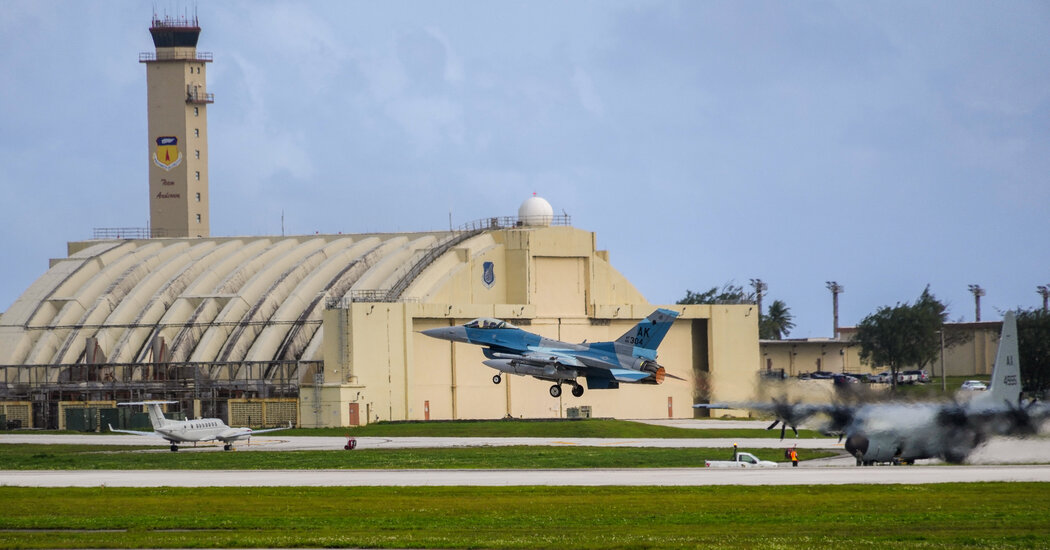
Around the time that the Federal Bureau of Investigation was examining the equipment recovered from the wreckage of the Chinese spy balloon shot down off the South Carolina coast in February, American intelligence agencies and Microsoft detected what they feared was a more worrisome intruder: mysterious computer code that has been popping up in telecommunications systems in Guam and elsewhere in the United States. The code, which Microsoft said was installed by a Chinese government hacking group, raised alarms because Guam, with its Pacific ports and vast American air base, would…

The Next Fear on A.I.: Hollywood’s Killer Robots Become the Military’s Tools

The assassination of Mohsen Fakhrizadeh, Iran’s top nuclear scientist, was conducted by Israel’s Mossad using an autonomous machine gun, mounted in a pickup truck, that was assisted by artificial intelligence — though there appears to have been a high degree of remote control. Russia said recently it has begun to manufacture — but has not yet deployed — its undersea Poseidon nuclear torpedo. If it lives up to the Russian hype, the weapon would be able to travel across an ocean autonomously, evading existing missile defenses, to deliver a nuclear…

Pulling the Plug on TikTok Will Be Harder Than It Looks

In the summer of 2020, in full re-election mode and looking for new ways to punish China, President Donald J. Trump threatened to cut off TikTok from the phones of millions of Americans unless its parent company agreed to sell all of its U.S. operations to American owners. The effort collapsed. Now, more than two years later, after lengthy studies of how Chinese authorities could use the app for everything from surveillance to information operations, the Biden administration is attempting a strikingly similar move. It is better organized, vetted by…

Plans in Congress on China and TikTok Face Hurdles After Spy Balloon Furor

WASHINGTON — Republicans and Democrats are pressing for major legislation to counter rising threats from China, but mere weeks into the new Congress, a bipartisan consensus is at risk of dissipating amid disputes about what steps to take and a desire among many Republicans to wield the issue as a weapon against President Biden. In the House and Senate, leading lawmakers in both parties have managed in an otherwise bitterly divided Congress to stay unified about the need to confront the dangers posed by China’s militarization, its deepening ties with…

Pentagon’s Strategy Says China and Russia Pose More Dangerous Challenges

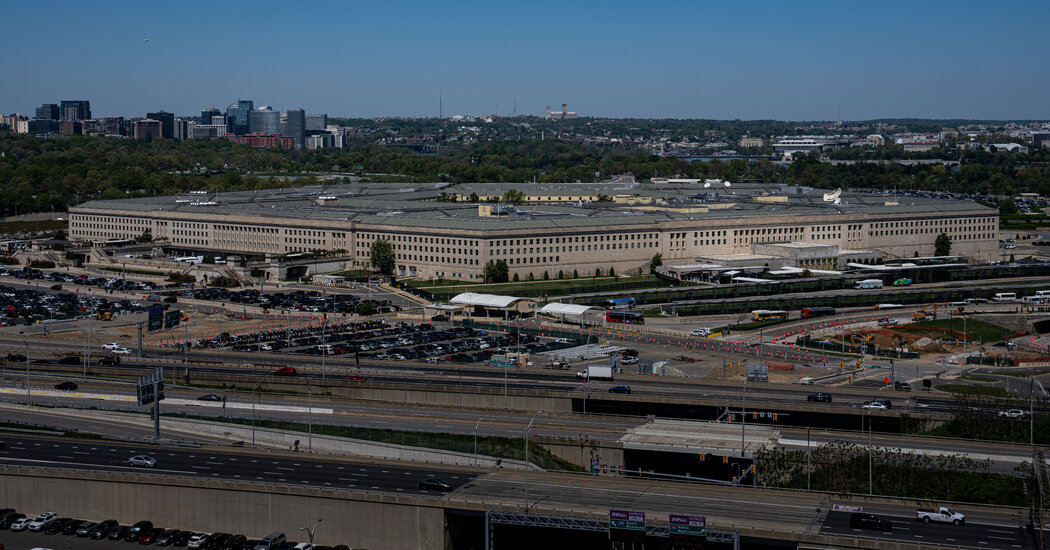
WASHINGTON — Eight months after Russia’s invasion of Ukraine and as China pushes to increase its nuclear, space and cyberforces, the Pentagon outlined a sweeping new strategy on Thursday that called for more robust deterrence at an increasingly tense moment in international security. The document, the National Defense Strategy, which also includes reviews of the U.S. nuclear arsenal and missile defenses, has been circulating for months in classified form on Capitol Hill. The last national defense strategy, published in 2018 by the Trump administration, was the first since the end…