At the Chinese People’s Political Consultative Conference held this month, two proposals made by Professor Jia Qingguo of Peking University attracted considerable attention. One focused on making China more appealing to foreign students, while the other sought to encourage the public to effectively convey the Chinese story to the rest of the world. Much of the attention focused on the first of these proposals. The suggestion that China be made more appealing to foreign students is not, of course, at odds with any of the policies of Chinese President Xi…
Category: The Diplomat
China’s Foreign Policy After the ‘Two Sessions’
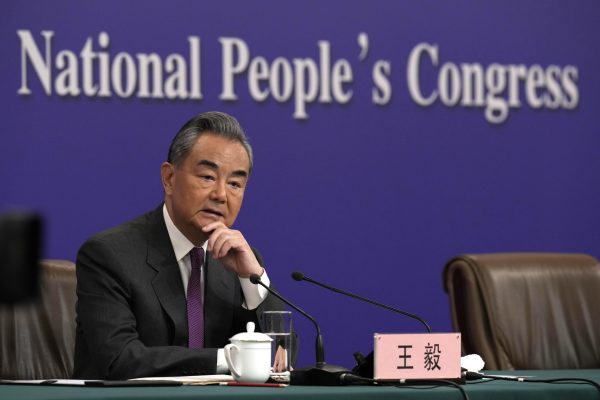
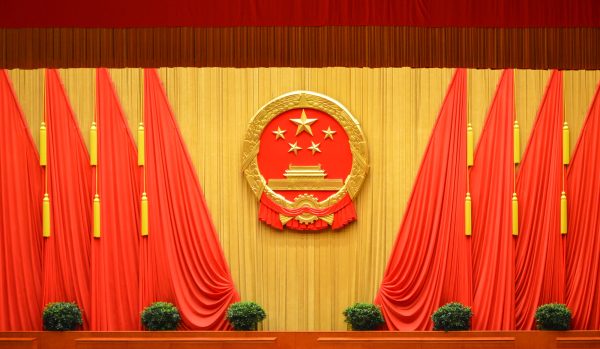
On March 11, the Chinese government concluded the “Two Sessions,” the annual meeting of the National People’s Congress (NPC), China’s rubber-stamp parliament, and the Chinese People’s Political Consultative Conference (CPPCC), an advisory body. As the Chinese Communist Party asserts greater influence over state governance, the Two Sessions has become less of a platform for original policymaking and more of a venue for conveying the directives of the party leadership. In keeping with convention, the Two Sessions focused primarily on domestic issues such as the economy and social policy. Nonetheless, the…
Mo Yan, China’s Only Nobel-winning Author, Targeted in Patriotic Lawsuit
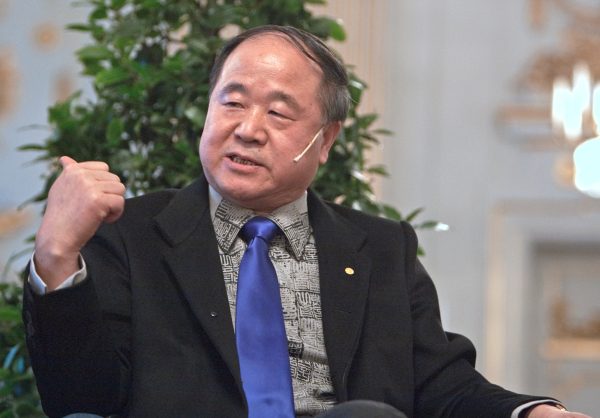
Mo Yan’s writing won China’s first Nobel Prize for Literature, but is it patriotic enough for Xi Jinping’s China? That’s the question at the center of a high-profile lawsuit that has driven a debate about nationalism in China in recent weeks. Patriotic campaigns have become more common in recent years in China, as online nationalists attack journalists, writers or other public figures they say have offended the country’s dignity, but it is unusual for a figure as prominent as Mo Yan to be targeted. Patriotic blogger Wu Wanzheng, who goes…
China Cracks Down on Tibetan Protest Against a Hydropower Project in Dege
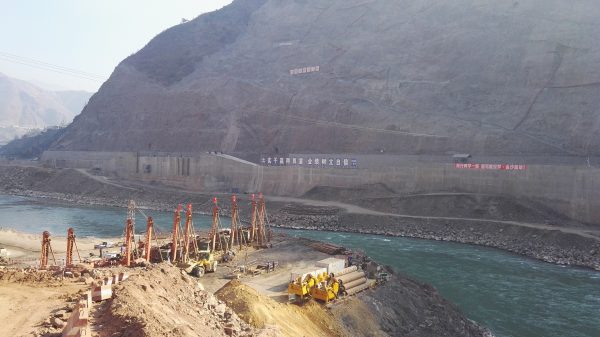
On February 14, hundreds of Tibetans in Derge County (Dege in Mandarin), part of the Garze Tibetan Autonomous Prefecture in Sichuan Province, protested in front of the county government office building. They sought a halt to the construction of 1.1. million kilowatt hydropower station on the Drichu River. In a related demand, the protesters wanted authorities to withdraw the order for thousands of Tibetans to relocate from Upper Wonto and Shipa villages and six important monasteries – including the Wonto monastery, which was built in the 13th century and has…
Why Canceling China’s Annual Premier Press Conference Matters
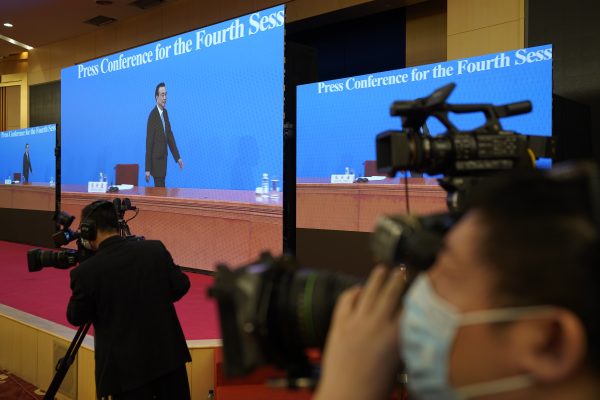
In early March, China made a surprising announcement to cancel the traditional press conference by the premier – currently Li Qiang – scheduled at the end of its annual legislative gatherings. According to the government spokesperson, the legislature will not schedule the premier press conference during the rest of this congressional term, which lasts through 2027. The announcement was another sign of the increasing authoritarian politics within China since its top leadership decided to amend the country’s constitution in 2018. First introduced in 1988, the premier’s press conference was one…
China’s Two Sessions Announces a 5 Percent Growth Target and 1 Trillion Yuan National Bond
China’s “Two Sessions” (the annual meetings of the National People’s Congress and the Chinese People’s Political Consultative Conference) closed on Monday in Beijing. The Two Sessions featured two important announcements regarding China’s economy: a 5 percent GDP growth goal for 2024, and a deficit rate of 3 percent with the issuing of 1 trillion yuan national bond. Notably, President Xi Jinping’s policy papers centered around ensuring “stability” rather than pursuing “progress.” The GDP growth goal, despite being on par with its past years’ sluggish growth, remains challenging. The Chinese economy…
What’s in Hong Kong’s New National Security Bill?
Hong Kong unveiled a proposed law that threatens life imprisonment for residents who “endanger national security” on Friday, deepening worries about erosion of the city’s freedoms four years after Beijing imposed a similar law that all but wiped out public dissent. It’s widely seen as the latest step in a crackdown on political opposition that began after the semi-autonomous Chinese city was rocked by violent pro-democracy protests in 2019. Since then, the authorities have crushed the city’s once-vibrant political culture. Many of the city’s leading pro-democracy activists have been arrested…
China, Taiwan, and Core of Vatican Diplomacy
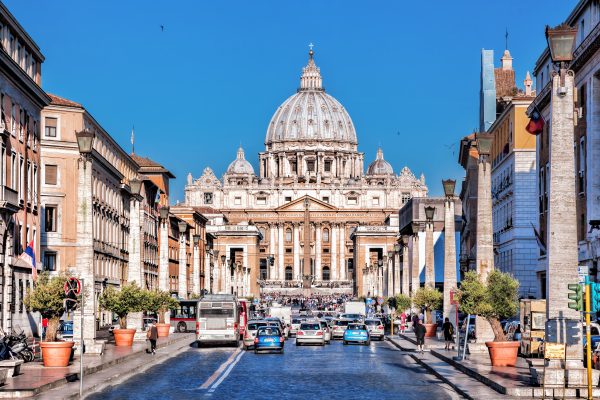
After the 2024 presidential election in Taiwan, Nauru immediately severed ties with Taipei and resumed diplomatic relations with Beijing. Lionel Aingimea, Nauru’s minister of foreign affairs and trade, told CCTV reporters that breaking off ties with Taiwan will bring new opportunities for Nauru’s development. Following Nauru’s diplomatic switch, Taiwan is left with only 12 diplomatic allies. In other words, out of over 190 countries in the world, only 12 are willing to accept diplomatic envoys from the Republic of China under the terms of the Vienna Convention on Diplomatic Relations…
President Bio’s Visit Charts a More Holistic Path for China-Sierra Leone Relations
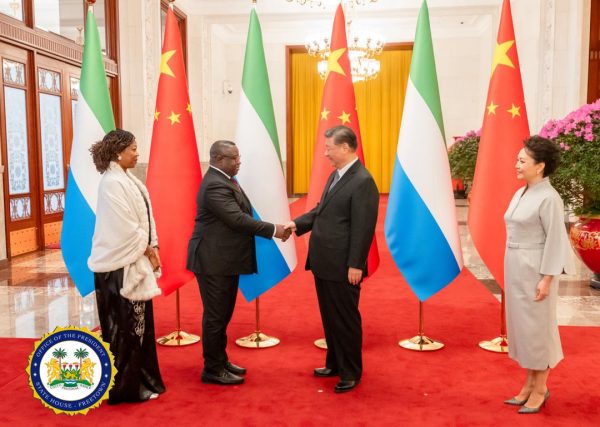
From February 27 to March 2, Sierra Leone’s President Julius Maada Bio paid a state visit to China at the invitation of Chinese President Xi Jinping. It was the first visit to China by an African president in 2024. Our past research shows that frequent, high-level visits to China by African leaders are often correlated with stronger trade and investment relationships with China. But how exactly does this happen? And will this correlation continue, especially with concerns being expressed internationally about the state of the Chinese economy? A closer look at…
The Political Calculus Behind Xi Jinping’s Emphasis on Climate Leadership
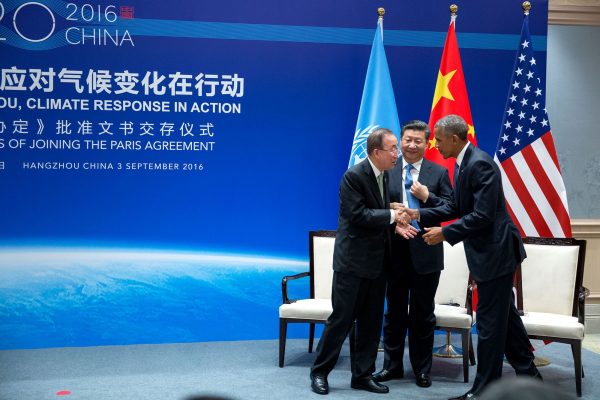
On February 1, 2024, after renewing diplomatic ties with Nauru, a former ally of Taiwan, Qian Bo, China’s special envoy to Pacific Island nations, expressed China’s willingness to cooperate with Nauru in combating climate change. This initiative is part of a wider trend in China’s engagement with developing countries on environmental issues. Over the past decade, China has undergone a significant shift in its stance on climate change. Contrary to his predecessors, who highlighted climate equity and underscored China’s status as a developing nation, President Xi Jinping’s approach redefines China…