As rescuers and security forces in Nepal and China raced to locate survivors and deliver desperately needed aid by air and road to flood-hit Himalayan valleys, their challenge was compounded by widespread destruction to transport and communications infrastructure.
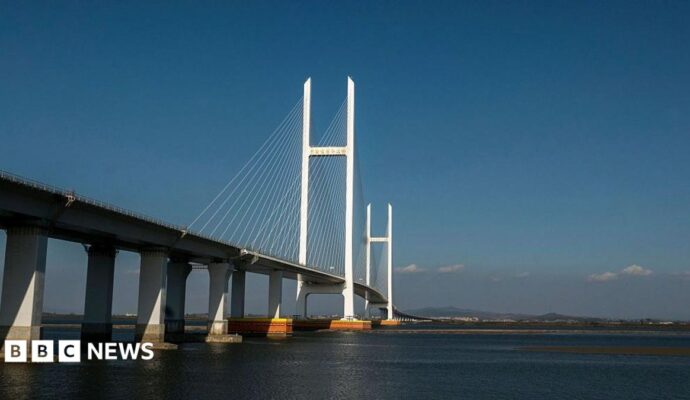
The raging torrent of water and mud on Wednesday damaged dozens of bridges and nearly 25 miles of paved roads, according to the Nepali authorities. Floodwaters had not completely receded in some areas more than a day after the disaster struck. Some villages and roads were left under a thick coat of dark mud.
The worst-affected areas are “extremely difficult to reach,” the International Federation of Red Cross and Red Crescent Societies said in a statement.
In these steep mountainous valleys, roads and bridges are critical links for remote communities, said Gordon Wilcock, the Asia-Pacific regional director at Direct Relief, an aid group headquartered in Santa Barbara, Calif., that is providing medical supplies, emergency backpacks and hygiene items for the communities affected by the flood.
“The mountainous terrain is a real barrier to delivering emergency supplies every day,” he said. “The flooding impacts make it harder.”
The transport difficulties have made it harder to assess the full scale of the disaster. Some international help has come in the form of mapping technology. Ursula von der Leyen, president of the European Commission, said on Wednesday that the European Union had made its Copernicus satellite network available to help assess the disaster zone and support relief operations in Nepal.