Berg Wu remembers the pride he felt when he was crowned world barista champion. The stands that June day in Dublin were packed with cheering friends as he bested competitors from more than 50 countries to take first place at the 2016 World Coffee Championships (WCC). The first Taiwanese person to win the competition, he draped the red, blue and white nationalist flag of the Republic of China – Taiwan’s official name – over his shoulders as he posed for pictures with his award. But a decade on, that victory…
Day: May 3, 2026
Mainland Chinese students turn to Hong Kong universities amid gaokao, US visa worries
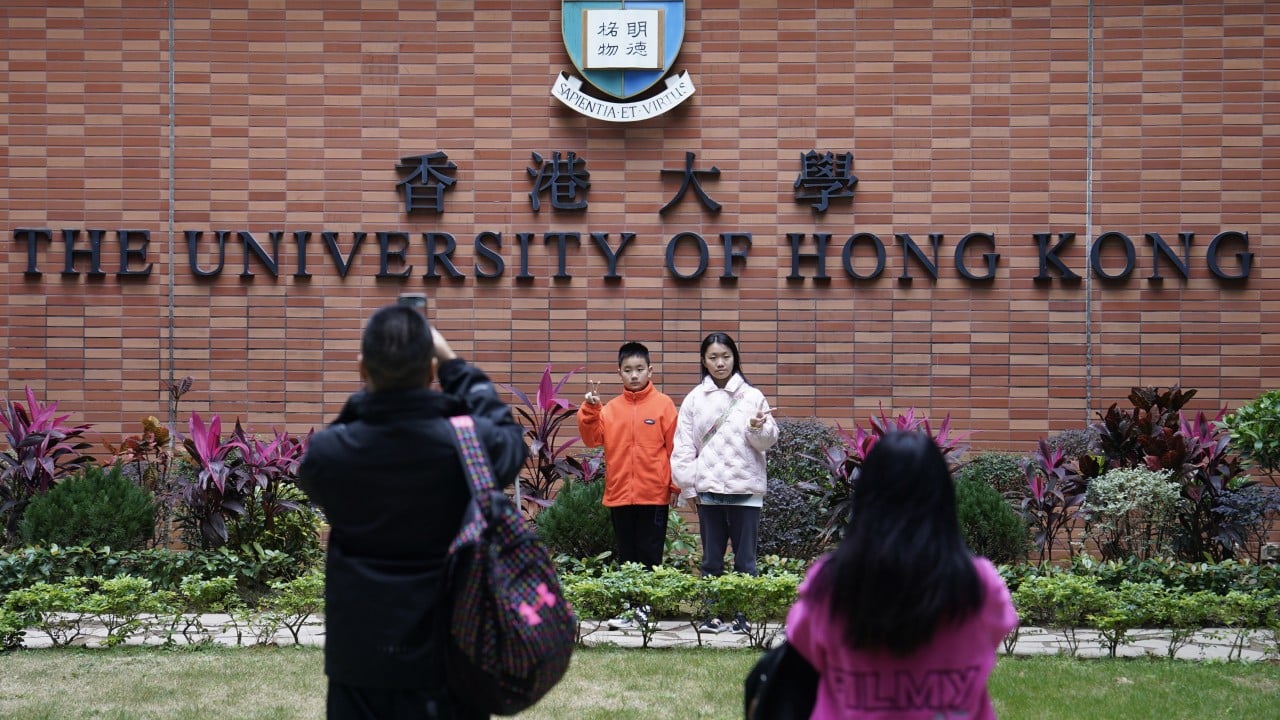
Hong Kong universities are rapidly gaining favour among mainland Chinese families as they shun the intense domestic competition of the gaokao and uncertainties stemming from Sino-US tensions, embracing the city’s generous non-local admission quotas. The Blue Book on Mainland Students Studying in Hong Kong released late last month underscores this trend, attributing it to geographic proximity, cultural familiarity, and pragmatic considerations regarding career prospects and residency planning, even as admission becomes fiercely competitive. “In the past three to five years, the scale, structure and underlying logic of mainland students pursuing…
Glimmer of hope in Hormuz Strait as fragile ceasefire holds: what happened overnight

The fragile ceasefire between the US and Iran has continued into its third week. There are signs of a reopening of the Strait of Hormuz looming on the horizon. These are the major takeaways from what happened overnight. What did Trump say? President Donald Trump said on Sunday that the US would “help free up” ships stranded in the Strait of Hormuz within hours. No details were provided. “This process, Project Freedom, will begin Monday morning, Middle East time,” Trump said in a social media post, describing it as “a…
Bai Chongen on China’s new economic paradigm and closing the US tech gap

Bai Chongen is a prominent Chinese economist and government adviser. He is the dean of Tsinghua University’s School of Economics and Management and serves concurrently as vice-chairman of the All-China Federation of Industry and Commerce. From 2015 to 2018, he was a member of the Chinese central bank’s monetary policy committee. Here, he discusses how China can avoid “Japanification”, what Beijing can do to help cultivate the next Elon Musk, and why the “China shock 2.0” phenomenon is often misunderstood. This interview first appeared in SCMP Plus. For other interviews…
China’s Manus block a show of strength ahead of Xi-Trump summit
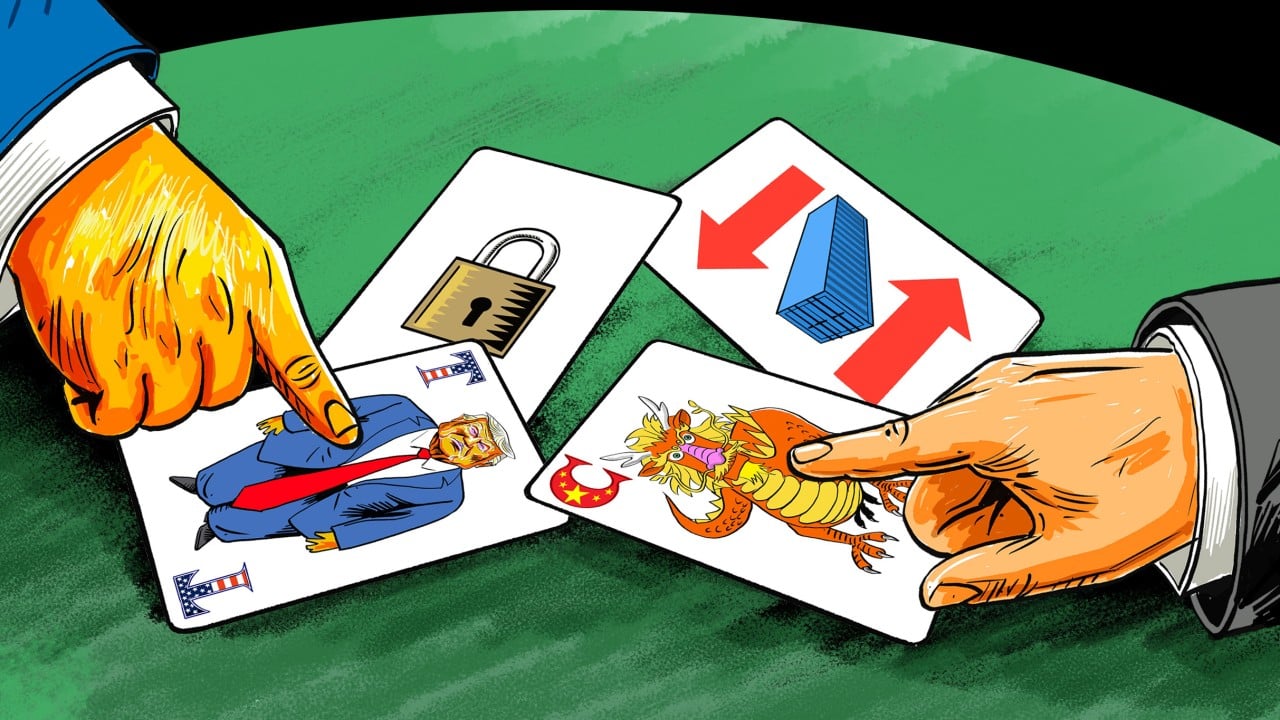
Beijing’s decision last Monday to block Meta’s US$2 billion acquisition of the Chinese-founded AI start-up Manus came as little surprise. The central government had already flagged its investigation and barred the company’s two founders from leaving the country. At first glance, the intervention appears disruptive to Chinese firms seeking foreign capital and US companies eyeing investments in China. However, a deeper look reveals this as emblematic of a new normal in China-US business ties, especially in the high-stakes hi-tech sector, where the two powers are locked in intensifying strategic competition.…
DeepSeek’s Sequel

Remember the “DeepSeek moment?” The Chinese start-up announced in early 2025 that it had created an artificial intelligence model that could rival ChatGPT. Not only that, it had created it at a fraction of the cost of its American competitors. If China had been considered behind the United States on A.I., DeepSeek changed that. Almost instantly, its model became the most downloaded free app in the U.S. Some in Silicon Valley started calling it “A.I.’s Sputnik moment.” DeepSeek released its latest model last week. Today, my colleague Meaghan Tobin, who…
The Guardian view on China’s carrots and sticks: Trump should not soften on Taiwan when he visits Beijing | Editorial
China senses opportunity when Donald Trump visits later this month. A nakedly transactional US president in need of a trade deal, and hoping that Beijing could lean on Iran, might shift on Taiwan in return. China’s foreign minister, Wang Yi, linked the issue explicitly to broader bilateral cooperation in his call with Marco Rubio, the US secretary of state, on Thursday. Beijing would be delighted to see Mr Trump soften the US position, and perhaps pull back on arms sales after a mammoth $11bn package was announced late last year.…
Why a 5-year defence pact between North Korea and Russia could make China uneasy
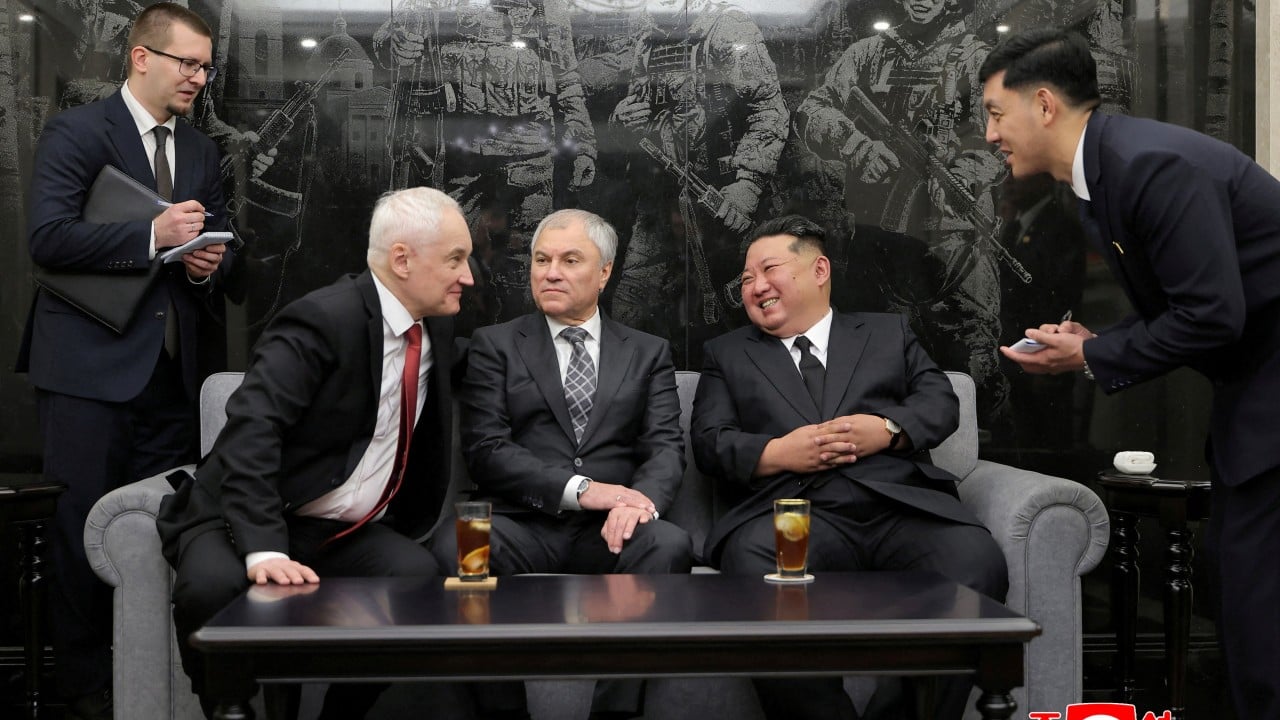
China may be feeling uneasy about talk of a rare five-year defence cooperation plan between North Korea and Russia that could accelerate Pyongyang’s military modernisation on multiple fronts, analysts said. According to the Russian state news agency Tass, Russian Defence Minister Andrey Belousov held talks to North Korean leader Kim Jong-un in Pyongyang on April 26, with Belousov describing relations between the countries as at an “unprecedentedly high level”. Belousov also said preparations were under way for a five-year military cooperation plan, according to Tass. Advertisement “We have reached an…
The US sanctioned Chinese oil refineries. Now China is really pushing back

China has ordered companies throughout the country not to comply with US sanctions on five Chinese oil refiners accused of trading in Iranian fuel, a move observers say could mark a new stage in Beijing’s pushback against American long-arm jurisdiction. The order is the first application of a measure designed to block “improper” foreign actions, and could be a potential headache for US sanctions enforcement, according to analysts. Advertisement China’s Ministry of Commerce said that among those entities were five Chinese refineries: Hengli Petrochemical (Dalian) Refinery, and “teapot” refineries Shandong…
World may find itself ‘in a very Chinese time’ of data governance

At the end of March, China inaugurated the World Data Organisation in Beijing, a body with a stated mission of “bridging the data divide, unlocking data’s value and powering the digital economy”. The move is the latest signal of a broader trend: over the past several years, Beijing has developed a distinct data governance strategy to drive artificial intelligence (AI) development as it reshapes the terms of technological competition. Since late 2025, Beijing has pursued an aggressive AI adoption strategy across industries through its “AI-plus” initiative. At the core of…