That action will serve as a big boon for the two companies in the world’s largest semiconductor market, according to Liang Zhenpeng of research institute Kandong. “It will stabilise their market share and maintain their competitive advantage in [China’s semiconductor] supply chain,” Liang said.
US allows Samsung and SK Hynix to expand their chip plants in China
US allows Samsung and SK Hynix to expand their chip plants in China
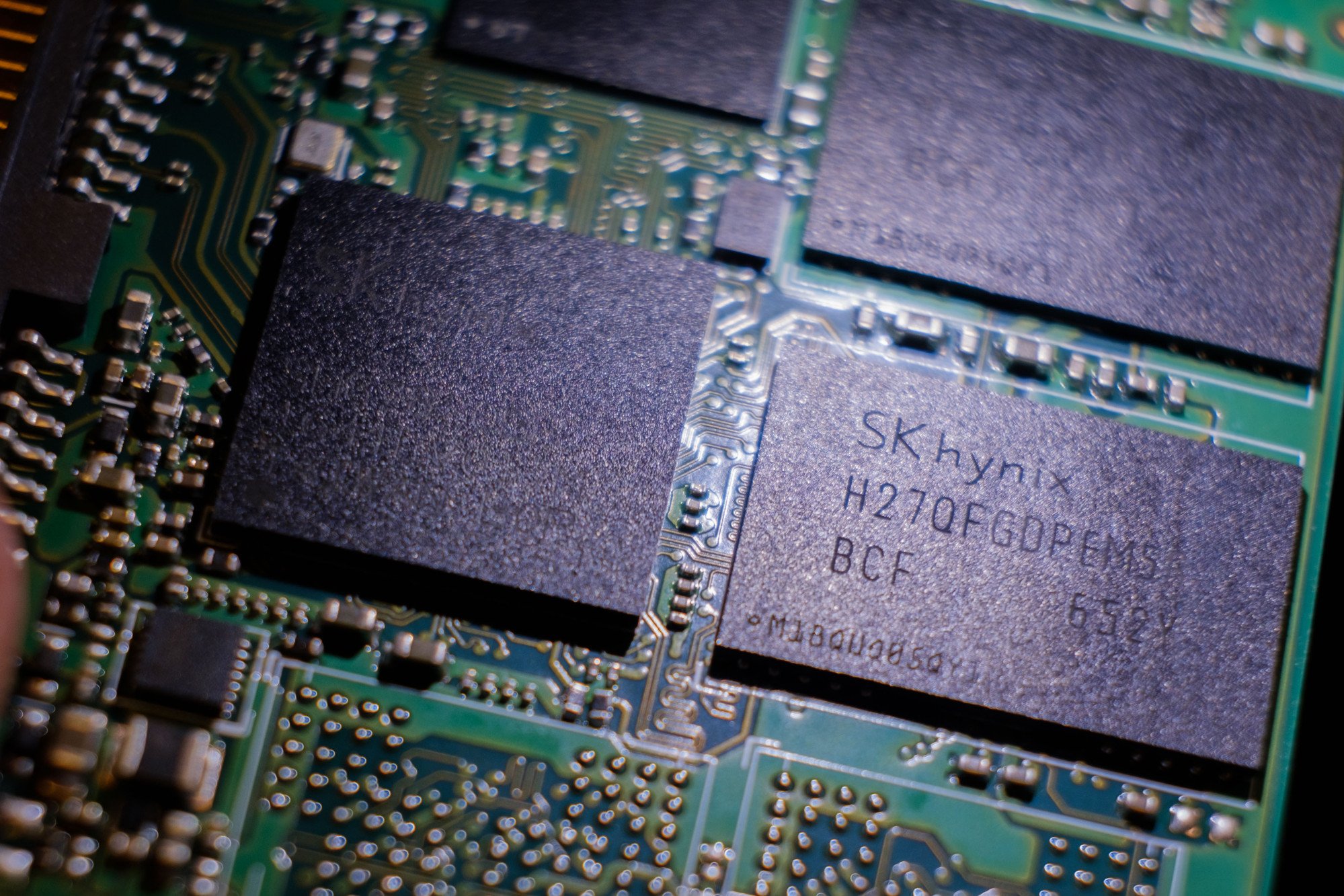
In the memory chip market, DRAM and NAND Flash products are both highly standardised, which means these are easily replaced by competing products from various suppliers. As such, it is important for memory chip makers to be close to their clients.
Samsung has three chip plants in three cities: Xian, capital of northwest Shaanxi province; Suzhou, a city in Jiangsu; and the northern coastal metropolis of Tianjin.
Huawei executive calls for greater adoption of Chinese-made semiconductors
Huawei executive calls for greater adoption of Chinese-made semiconductors
In the second quarter, Samsung saw a 95 per cent drop in profit amid weak global demand for memory chips. Hynix posted an operating loss of 2.88 trillion Korean won (US$2.13 billion) in the same period.
While YMTC operations could be “more at a standstill”, Samsung and Hynix “can breathe a sigh of relief”, said Arisa Liu, research fellow and a director focused on semiconductors at the Taiwan Institute of Economic Research, referring to the previous uncertainty brought by US tech restrictions to the two South Korean firms’ manufacturing operations in mainland China.
Still, Liu said these Korean firms “are unlikely to invest further in [new] factories in China” in spite of gaining “more competitive advantage” in the country because of the US waiver.