For the past decade, an uncrossable distance has separated me from my daughter.
She is in the Uyghur homeland — what China’s government calls Xinjiang — living under Beijing’s totalitarian drive to erase our culture. I am in exile, having fled nine years ago to avoid arrest. When I last saw her, she was a wide-eyed 6-year-old. She is growing up today without her father in a country that wants her to forget who she is.
Countless families like mine have been shattered by Beijing’s drive to forcefully assimilate Uyghurs into Chinese society. As many as one million Uyghurs and other Turkic ethnic minorities were sent to detention facilities between 2016 and 2019, forced to renounce Islam and subjected to Communist Party indoctrination. China says it closed those facilities, but Uyghurs still face coerced labor, mass surveillance and forced birth control. Many others have simply been imprisoned; I have reason to believe several of my relatives are among them.
When these atrocities first became known nearly a decade ago, Uyghurs assumed the global community would act to end one of the most sweeping campaigns of ethnic and religious repression since the Holocaust. For a time, the world heard us. A 2022 U.N. report said China may have committed crimes against humanity. Several countries declared it a genocide, banned goods made with Uyghur forced labor, and imposed sanctions on China. Yet China, which denies committing such crimes, has shrugged off the pressure and continued to extinguish our culture.
Uyghurs are now coming to a crushing realization: The world has failed us. If we are to survive as a people, Uyghurs in the diaspora must preserve in exile what China is erasing.
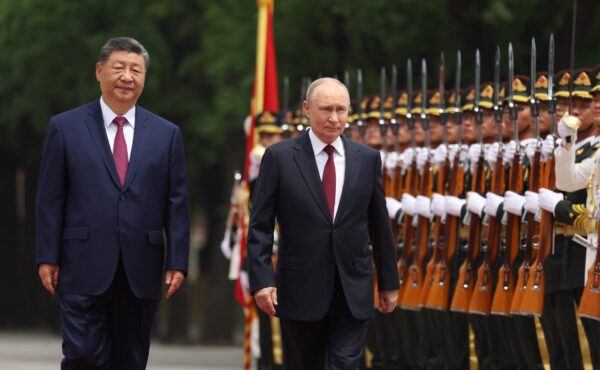
President Trump’s trip to Beijing in May brought this hard truth home. His first administration declared China’s policies a genocide. But there is no indication that this human rights catastrophe even came up during his meetings with President Xi Jinping of China, the man who set these policies in motion.
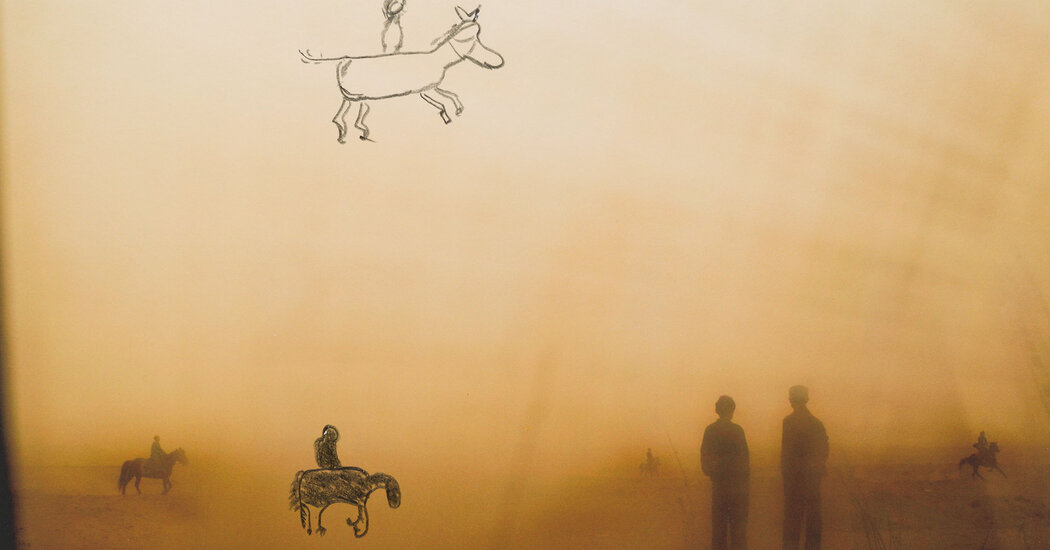
For centuries, Uyghurs maintained a distinct Eurasian identity. When I was young, my grandmother told me how our ancestors transformed our hometown, Poskam, from a desert into a living oasis: planting mulberry trees, digging irrigation canals and building our homes — a civilization conjured from sand. Our way of life blends influences from east and west yet remains unmistakably Uyghur, with our own literary, musical, architectural, philosophical and culinary traditions, some recognized by UNESCO as part of humanity’s shared heritage. Song has been especially important. My grandmother used to say our souls live in our songs. She sang while kneading dough to make noodles, braiding my aunt’s hair and watching the sun set over our mountains and deserts.