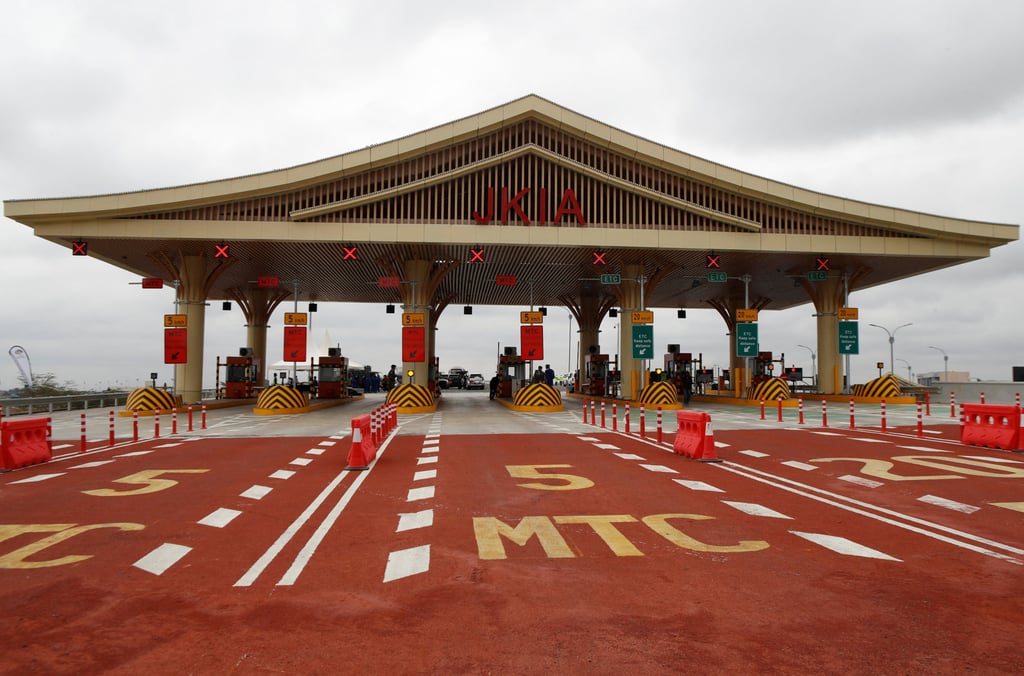
Since the mid‑2000s, China has established itself as Africa’s principal bilateral financier for large infrastructure projects, including railways, bridges, dams and ports. But as the loans involved reach maturity, Beijing has transitioned from a net provider of funds to a net collector.
Drawing on data from Boston University’s Global Development Policy Centre and its own calculations, Oxford Economics Africa said in a new analysis that Chinese loan commitments dropped from a peak of US$28.8 billion in 2016 to US$2.1 billion in 2024, representing the lowest level in almost two decades.
And while the tap has tightened, the bills are coming due. The advisory firm noted, referencing One Campaign data, that after advancing US$30.4 billion to African governments between 2010 and 2014, Beijing had collected US$22.1 billion in net repayments over the past five years.
Christian Franken, an economist at Oxford Economics Africa, said in the analysis released on July 31: “Beijing is now focused on managing a mature loan book rather than expanding it.”
However, Franken said China remained the continent’s largest bilateral creditor, with its debt stance shaping outcomes through mechanisms like the G20 Common Framework. Although Zambia has made significant progress on its debt restructuring and Angola has amortised its oil-backed debt down to US$6.8 billion in mid-2026 from US$16.3 billion in 2020, Ethiopia’s restructuring process has stalled.
Franken said Beijing had framed the pullback as a deliberate “small and beautiful” strategy, shifting away from massive policy bank loans towards selective projects in digital infrastructure, green energy and industrial estates, increasingly funded via regional development banks.