Former Politburo member Ma Xingrui dismissed after corruption investigation
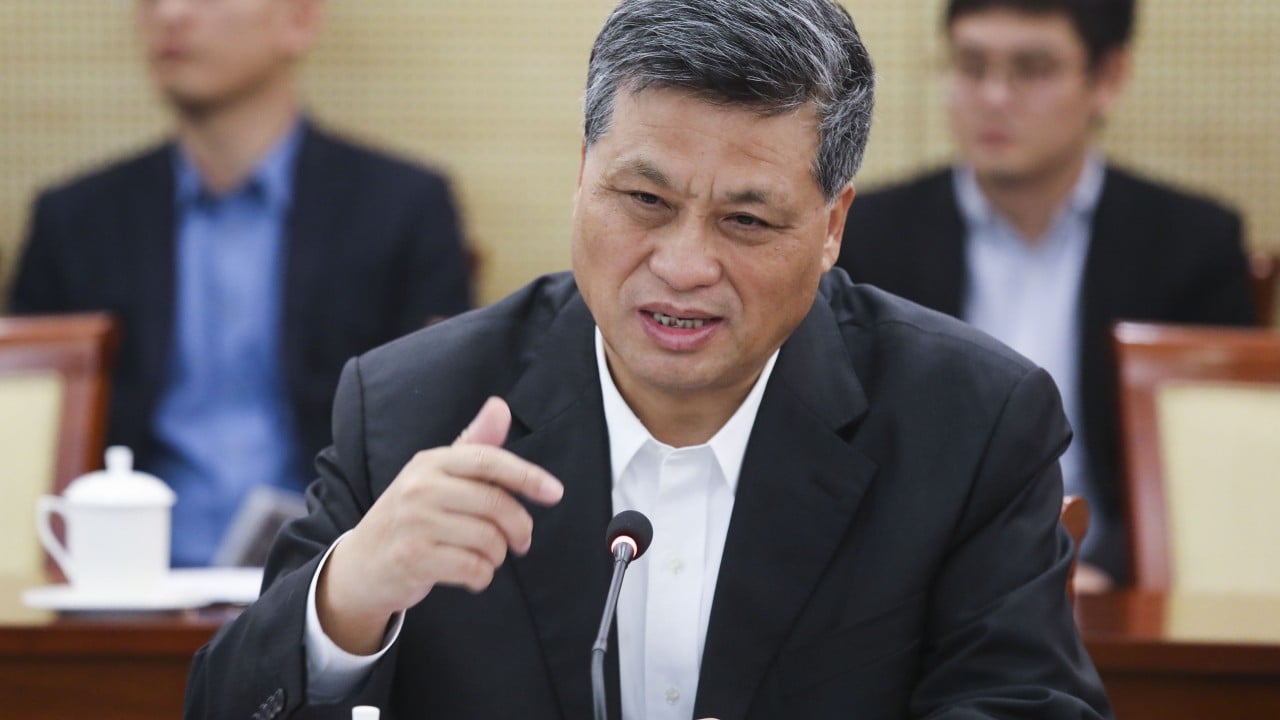
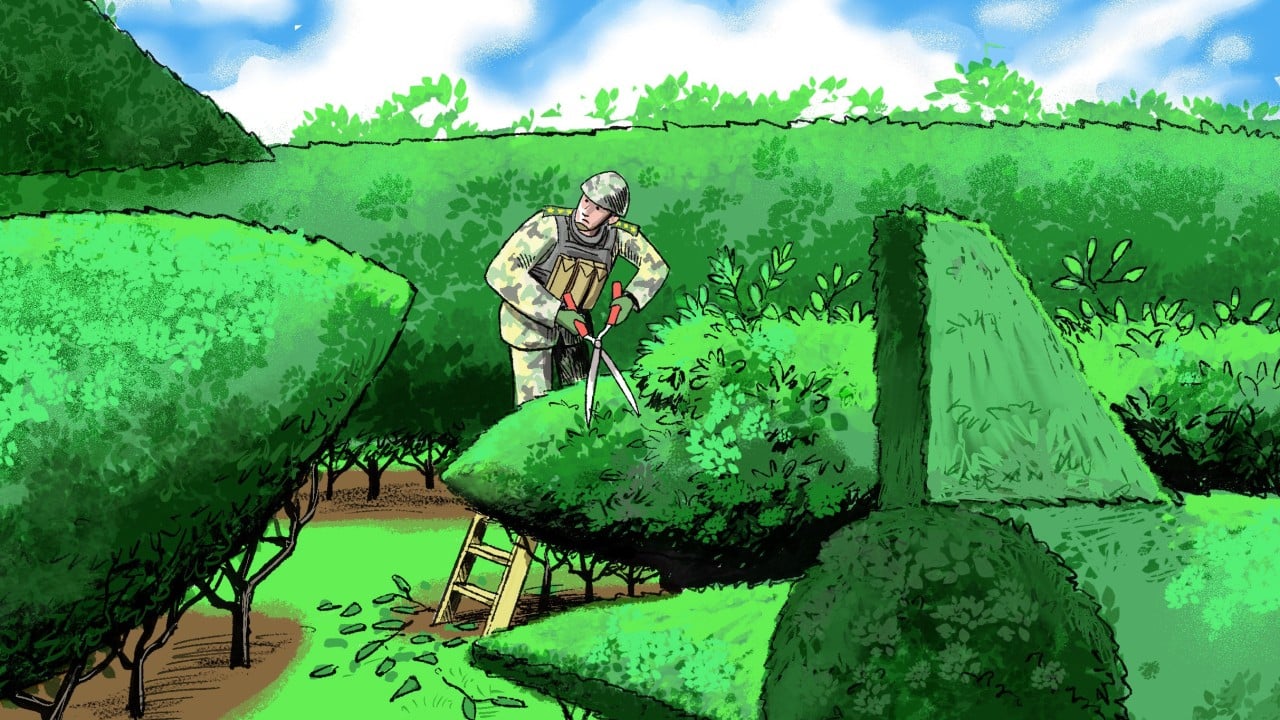
Former Politburo member and Xinjiang party chief Ma Xingrui has been removed from the party and dismissed from public office following an anti-corruption investigation, the state broadcaster said on Tuesday. Ma, 67, became the third member of the Politburo – the ruling party’s elite political body – to come under investigation in the current term that began in 2022, a situation unseen in decades. The Politburo reviewed and approved the report on Ma’s cases by the Central Commission for Discipline Inspection (CCDI), the ruling party’s top disciplinary and anti-corruption body,…

Typhoon Bavi forces Shenyang subway shutdown, 360,000 evacuated in Liaoning province

Typhoon Bavi is continuing to bring torrential downpours to northeast China, forcing the transport and economic hub of Shenyang to halt non-essential travel and shut down parts of its subway network. Emergency measures remain in place on Tuesday in Shenyang, capital of Liaoning province, where Bavi continues to lash the city, despite weakening into a tropical storm. Typhoon Bavi causes ‘reverse waterfall’ phenomenon as it passes through Zhejiang province Across the province, more than 360,000 people have been evacuated as a result of the weather system, according to state broadcaster…

China’s missile test reveals fragile state of world nuclear governance

On July 6, a Chinese strategic nuclear submarine fired a missile carrying a training dummy warhead into a designated area of the Pacific. Beijing described the launch as routine, said relevant countries had been notified and insisted that it targeted no state. The regional reaction was immediate, with Australia, Japan, the United States and Pacific nations raising concerns around insufficient notification and the politics of nuclear-free zones. Those reactions matter because they show how far nuclear politics has moved beyond the arsenals of large powers. The test was read through…

AI homework tools cut exam scores by 20%, study of 26,000 Chinese students finds

Artificial intelligence boosts homework scores but cuts exam results by 20 per cent, and this “brain drain” effect takes two years to fully emerge, a new study has found. Generative AI is rapidly transforming classrooms as much as workplaces, with students increasingly turning to chatbots to draft essays and solve problem sets. But is the technology a personalised tutor or a slow-acting cognitive poison? Research by scholars from Stockholm University and the University of Hong Kong, who tracked the academic performance of more than 26,000 middle school and high school…

Will Manila and Hanoi’s maritime deal challenge Beijing in the South China Sea?

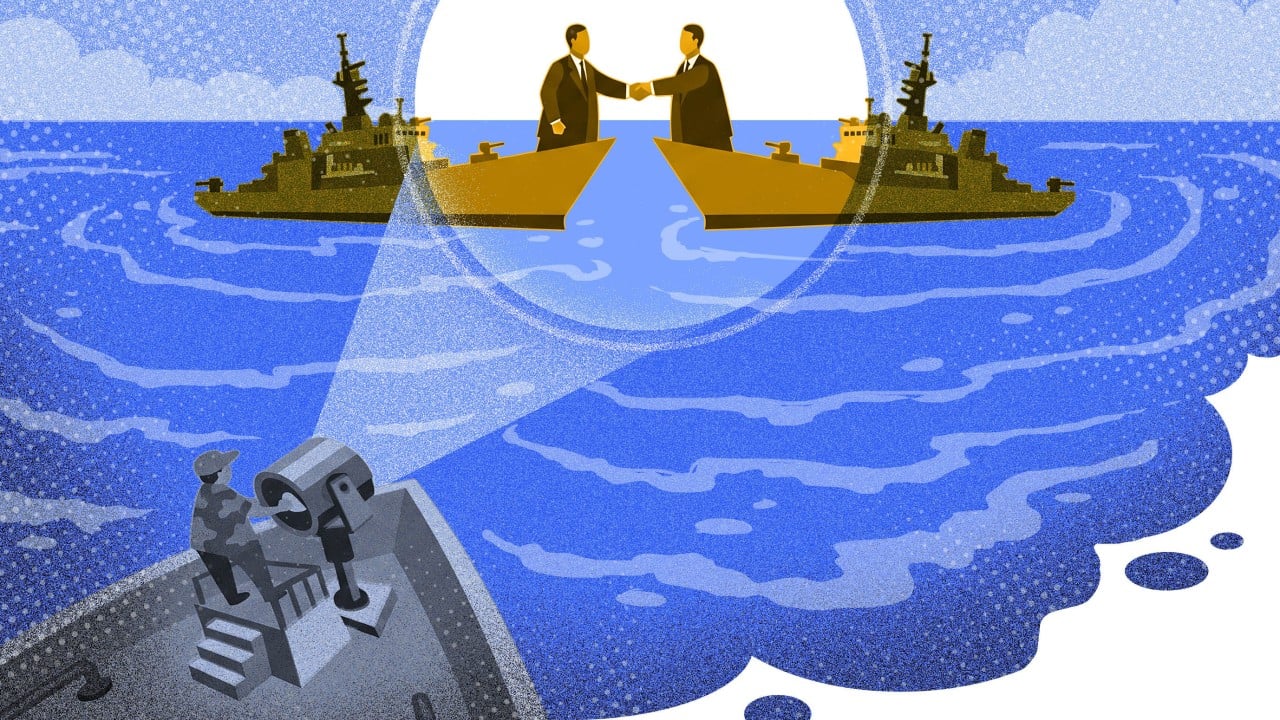
A decade after Beijing rejected the ruling by The Hague’s Permanent Court of Arbitration on its South China Sea claims, rival nations continue to manoeuvre for control. In the second of our series on the anniversary, Alyssa Chen explores how deepening maritime cooperation between the Philippines and Vietnam could affect China’s regional strategy. With Vietnamese President To Lam by his side in Manila late last month, Philippine President Ferdinand Marcos Jnr sent a clear message of intent. “Maintaining peace, stability and the freedom of navigation and overflight in the South…

US National Science Foundation to ban projects with flagged Chinese institutions

The United States’ National Science Foundation (NSF) is set to ban collaborations with Chinese research institutions designated as restricted entities, as well as their employees, under a new policy that moves away from seeking to balance security risks with the benefits of international collaboration. The policy reflects a broader congressional push by House Republicans to curb academic partnerships between China and the US, amid lawmakers’ concerns that such ties could contribute to Beijing’s military and technological development. The public notice, posted on the NSF website last week, notified the American…

The Guardian view on Volkswagen’s crisis: another wake-up call for Germany and the EU | Editorial

According to a recent analysis, China enjoys a surplus in its manufactured goods trade with the European Union that is roughly equivalent to Italy’s national income. That trade disparity, it is estimated, continues to grow by about 30% each year. The stark implication, according to a paper from Centre for European Reform, is that Europe, with Germany in the frontline, risks “deindustrialisation at China’s hand”. The gravity of the threat was grimly evident in the car industry last week, as Volkswagen’s supervisory board met to discuss radical proposals to cut…

Why ‘reverse tech transfer’ from China remains a non-starter in the US auto industry

For decades, Western carmakers complained that China forced them to hand over technology in exchange for access to the world’s largest auto market. Now the tables have turned. As Chinese carmakers capture global market share with cheaper, high-quality electric vehicles, countries including Canada and members of the European Union are embracing a “reverse tech transfer” strategy – by seeking Chinese investment and technology to strengthen their own industries. The United States, however, is taking the opposite approach. Tariffs on Chinese EVs have expanded, Chinese-owned auto companies are being banned or…

US to restore Iran blockade, charge fees for Strait of Hormuz shipping

US President Donald Trump said on Monday that Washington would restore its blockade of Iran and impose fees on commercial vessels using the Strait of Hormuz, after a fresh exchange of attacks cast further doubt on efforts to negotiate an end to the conflict. Posting on social media, Trump said Iranian vessels and ships trading with Iran would be barred from transiting the strategic waterway, while other commercial traffic would be allowed to continue under a new system requiring payments for safe passage. “We are reinstating the THE IRANIAN BLOCKADE,…