Social media platform Xiaohongshu accelerates plans for Hong Kong listingFinancial Times
Day: July 1, 2026
China’s ethnic unity law is not a tool of transnational repression
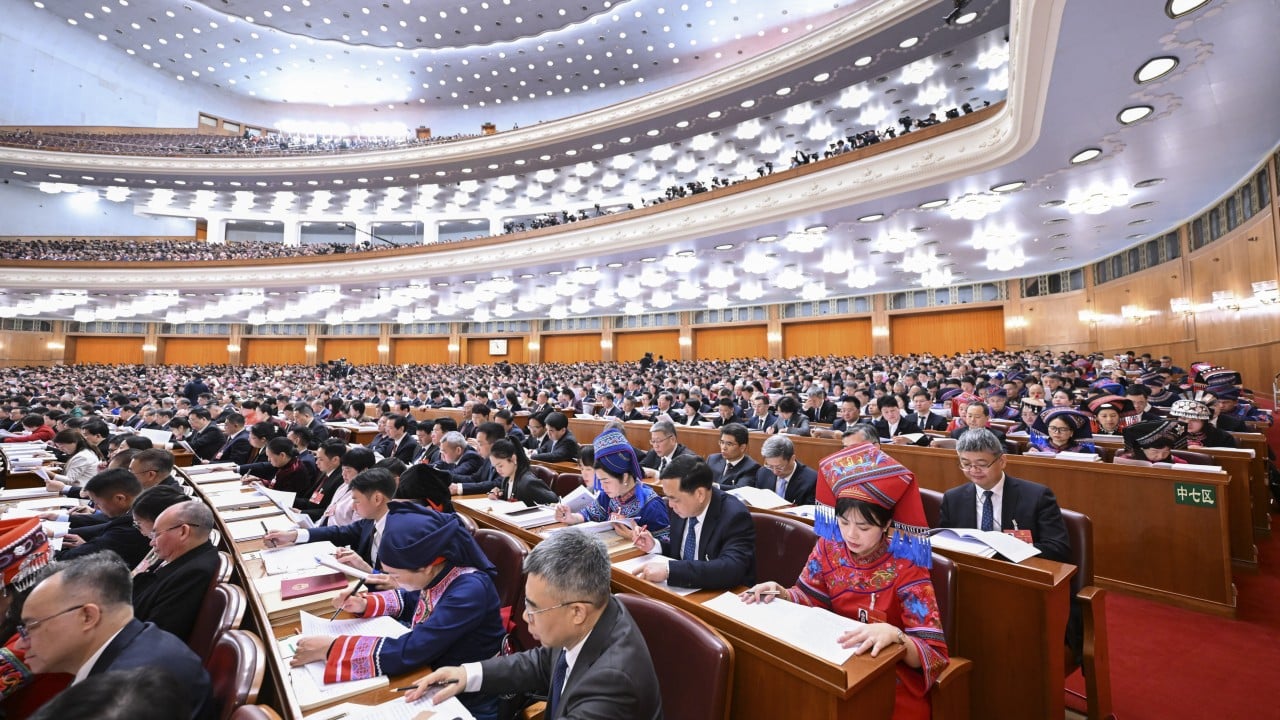
China’s Law on Promoting Ethnic Unity and Progress, passed in March, takes effect this month. It stands alongside the 1984 Law on Regional Ethnic Autonomy as a foundational, comprehensive statute on ethnic affairs, placing the task of forging a strong sense of community squarely within the legal framework. Yet voices abroad have rushed to brand it an act of “transnational repression” and “long-arm jurisdiction”, training their fire on Article 63. Such claims borrow from the vocabulary of law but cannot survive its scrutiny. Begin with what Article 63 actually says.…
China’s ethnic unity law denounced as ‘forced assimilation’ by rights groups
A new ethnic unity law has come into effect in China despite warnings from Taiwan, the United Nations and rights groups that it could threaten freedoms, especially for minorities. The Law on Promoting Ethnic Unity and Progress aims to forge a “shared” national identity among ethnic groups, for example by strengthening the status of Mandarin as the official language. But overseas campaigners have argued it will further degrade the rights of ethnic minorities, such as Uyghurs and Tibetans, that Beijing is accused of persecuting. Critics also point to a clause…
China has accused Japan of ‘reckless militarism’. What’s behind the latest tensions?
Relations between Tokyo and Beijing have ebbed and flowed in the decades since the second world war, but hit an undeniable low this week. Denouncing what it proclaimed was Japan’s “reckless pursuit of ‘new militarism’”, this week China imposed new export controls on 40 Japanese companies over dual-use items, or items that can be used for both civilian and military purposes. The move came as Tokyo protested against joint exercises by Chinese and Russian bombers near its airspace, and claims that the Chinese coast guard had entered its Exclusive Economic…
Alibaba agrees to pay US$600 million to settle US probe into illegal product sales
Alibaba Group will pay US$600 million to settle a US Department of Justice investigation into allegations that its e-commerce platforms enabled the sale of thousands of illegal pharmaceuticals, controlled substances, and other prohibited products into the United States, marking one of the largest criminal resolutions involving a Chinese technology company. The settlement, announced on Wednesday, resolves the investigation through non-prosecution agreements with Alibaba and AUS Merchant Services, formerly known as Alipay US and now a subsidiary of Ant Group. While the companies avoided criminal prosecution, they accepted responsibility for the…
Beijing’s message for Asean – China doesn’t want to become a regional hegemon

In comments directed at Asean, a top Communist Party official reiterated that Beijing did not want to become a regional hegemon, while vowing to strengthen its energy cooperation with the Southeast Asian bloc. “For a country like China, which has ‘harmonious coexistence’ embedded in its DNA, it is extremely difficult to undergo a ‘genetic mutation’ and become a militaristic hegemony that bullies the small and weak,” said Sun Haiyan, deputy head of the party’s International Department. Sun, who handles party-to-party diplomacy, was speaking at the Greater Bay Area-Asean summit in…
US won’t renew USMCA trade pact as Greer targets Canada’s China ties

The United States confirmed on Wednesday it would not renew its North American trade pact, its trade chief blaming Canada’s pursuit of Chinese investment. “The United States did not agree to renew the USMCA in its current form. As a result, the USMCA is not renewed,” Greer said in a statement. The refusal did not tear up the pact, which stays in force while the three governments begin annual reviews that could run until it expires in 2036. A renewal on Wednesday would have reset that clock to 2042 and…
Central Asia’s republics are no longer the chess pieces of empires
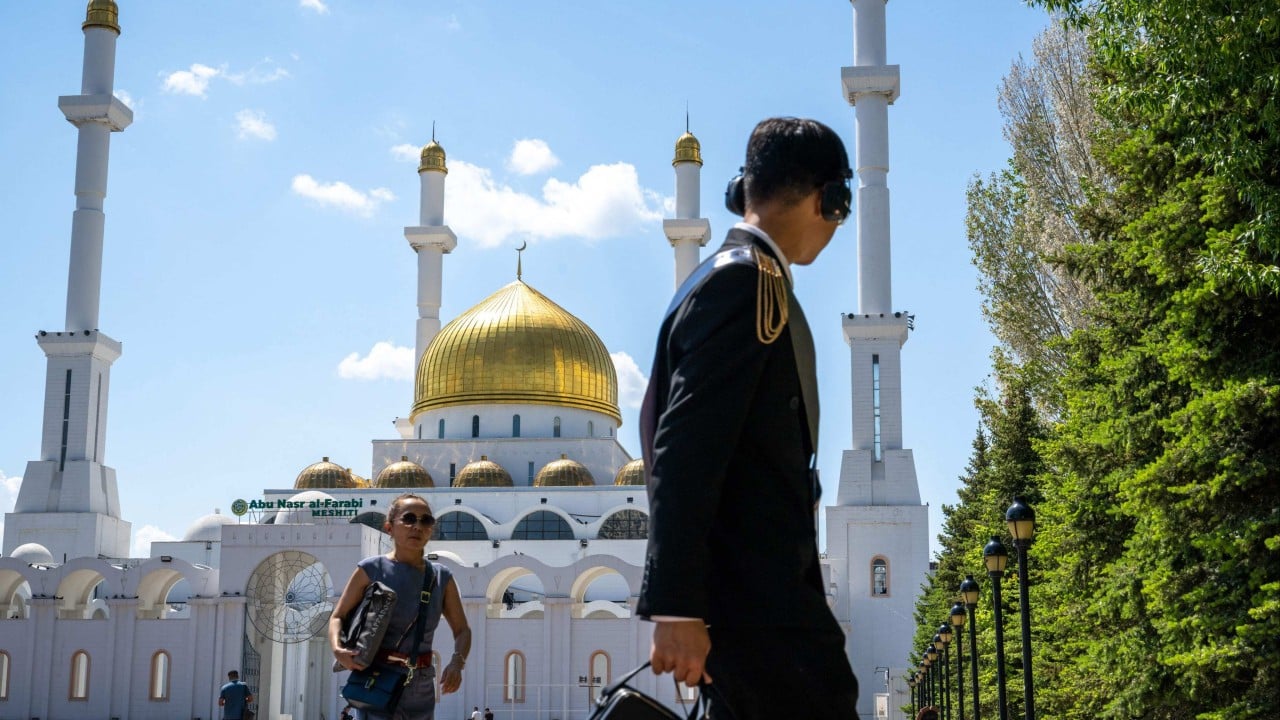
When people speak of the Great Game, they usually mean the 19th-century rivalry between the British and Russian empires for influence over Central Asia. It conjures up images of spies crossing deserts, mountain fortresses and imperial intrigue – an era vividly brought to life in Peter Hopkirk’s books, which first awakened my fascination with the region. A century and a half after the Great Game, another contest is unfolding across the same region. To the north is Russia, the region’s traditional… South China Morning Post
China’s pressure campaign tests Trump’s commitment to Japan
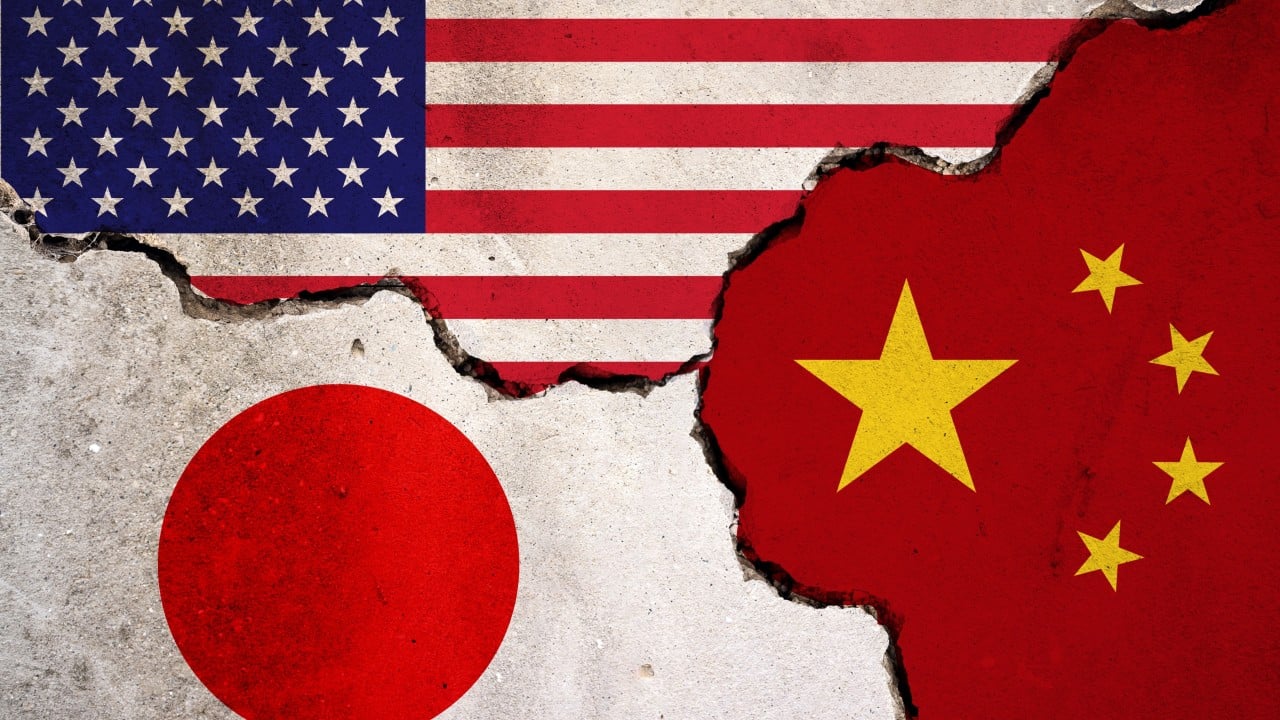
Beijing’s move this week to add 20 more Japanese entities to its export-control list is the latest chapter in a complex US-Japan-China geopolitical triangle. Over the past seven months, an angry China has punished Tokyo repeatedly. A miffed Japan is left feeling betrayed. And a war-distracted Washington has struggled to navigate between the two, adding further tension in a region already on tenterhooks, according to analysts and former US government officials. The gnawing unease was sparked in November when then-newly elected Japanese Prime Minister Sanae Takaichi characterised any Chinese attack…
World Bank to phase out China lending
Decision from global development institution follows years of pressure from the Trump administrationFinancial Times