China’s firms have a glaring weakness as they face a barrage of EU probes

With their domestic profits narrowing and production capacity expanding, China’s firms are continuing to widen their overseas footprints in search of new, more lucrative markets. In this series, we examine China Inc.’s next phase of “going global” and the complex, challenging international environment its companies have chosen to enter.

Not long ago, plans were in motion to build an enormous battery factory in the Belgian countryside. If completed, it would have created an estimated 2,000 jobs for the local economy and served as a flagship facility for a Chinese company expanding into the European market.

Advertisement

But the project is now in limbo – not due to geopolitical tensions or a trade dispute between Beijing and Brussels, but a simple misunderstanding. The Chinese firm only recently discovered that salaries in Belgium are indexed to inflation, an added cost that was not made clear in its original feasibility study.

The company, which has not been named due to the sensitivity of the matter, likely made the error by trying to cut corners: it did not hire a law firm to do a proper report, according to Xiufang Tu, a partner and head of the China desk at the Brussels-based Daldewolf law firm.

Rather than commission a full study, many Chinese companies simply set up meetings with a string of European legal firms and then piece together a basic feasibility report from the titbits of information they glean, Tu said.

“After that, once the leadership signs off, the decision is made,” she said. “But in this situation, the information you collect – if you’re not paying for it – is very basic and quite superficial.”

Advertisement

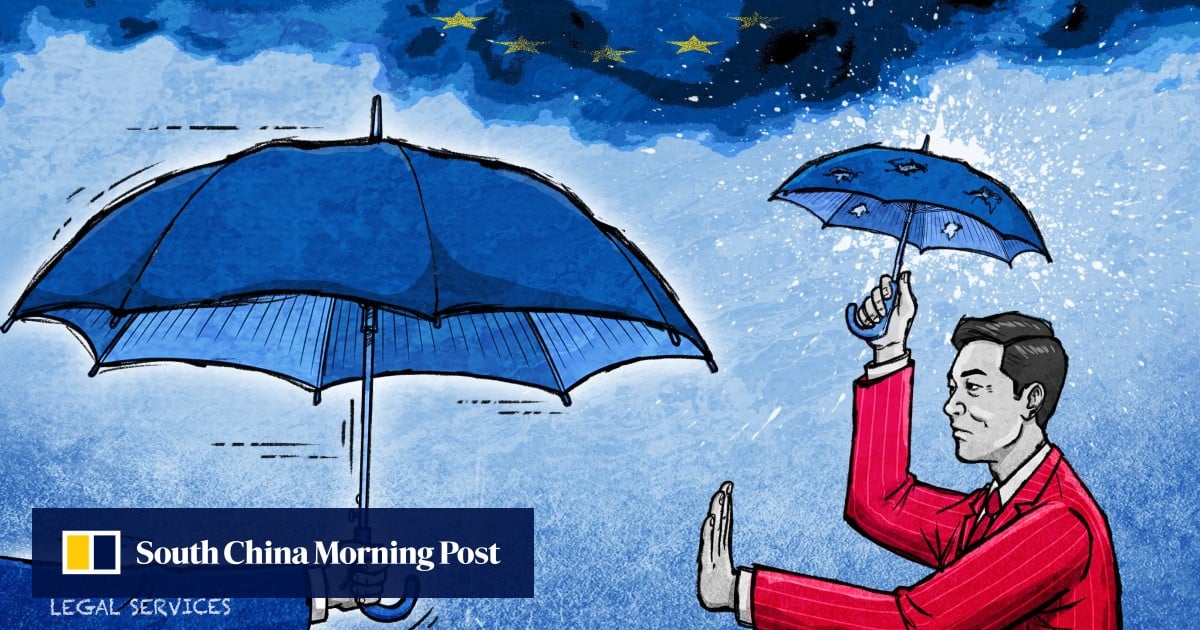
This gung-ho approach to legal services is becoming a major problem as China’s companies rush to go global. A wave of Chinese firms is expanding into Europe – seeking a refuge from cutthroat price wars and sluggish demand at home – and their initial instinct is often to use the same playbook that worked in China.

South China Morning Post

Related posts

Leave a Comment