Harry Guo built a life that defined success in China. Born in 1971, he came of age in the 1990s, when China deepened its economic reforms. He taught himself computing and found his way into jobs in multinational firms and then Chinese internet giants. By his mid-40s, he was comfortably middle class. He and his wife paid off two mortgages early and sent their daughter to high school and college in Canada.
Then Mr. Guo was laid off. Now 55, he has not had a job in more than two years. It’s not for lack of trying. The supermarket near his Beijing apartment won’t hire cashiers over 50. The warehouse where he inquired about work turned him away. An acquaintance who runs a small business told him, with some embarrassment, that his age made him unemployable.
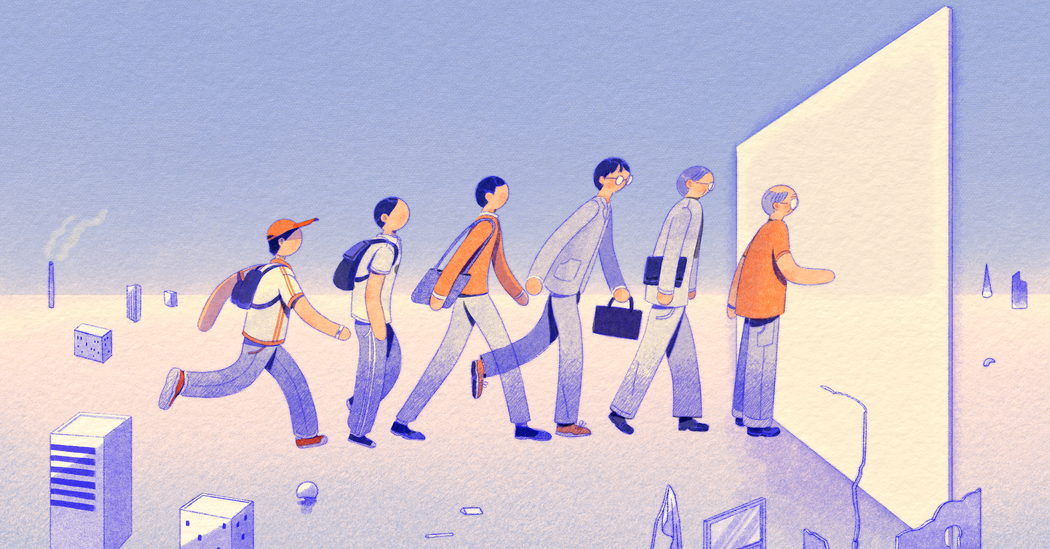
For decades, people like Mr. Guo — I call them the reform generation — felt they had struck a straightforward bargain with the system: Work hard, don’t criticize the government, and life will steadily improve.
During the boom years, when China’s economy was growing in double digits, career opportunities were abundant as Chinese and multinational companies competed for talent. A job hop could mean a 30 percent raise. They were the first in their families to go to college, own apartments and rise through corporate ranks. They sent their children to tutors and schools abroad.
The Chinese dream, much like the American one, was the expectation that those who worked hard could have a better life than their parents’ and that their children’s would be better than their own.
Now that dream is unraveling. There is little room for upward mobility and a strong downward pull. The housing market has contracted sharply. Private investment has slowed. Multinational companies shuttered or scaled back their operations. Layoffs have spread through technology, media, education and property-related industries since the pandemic, even though China’s official urban unemployment rate has hovered around 5 percent for years.