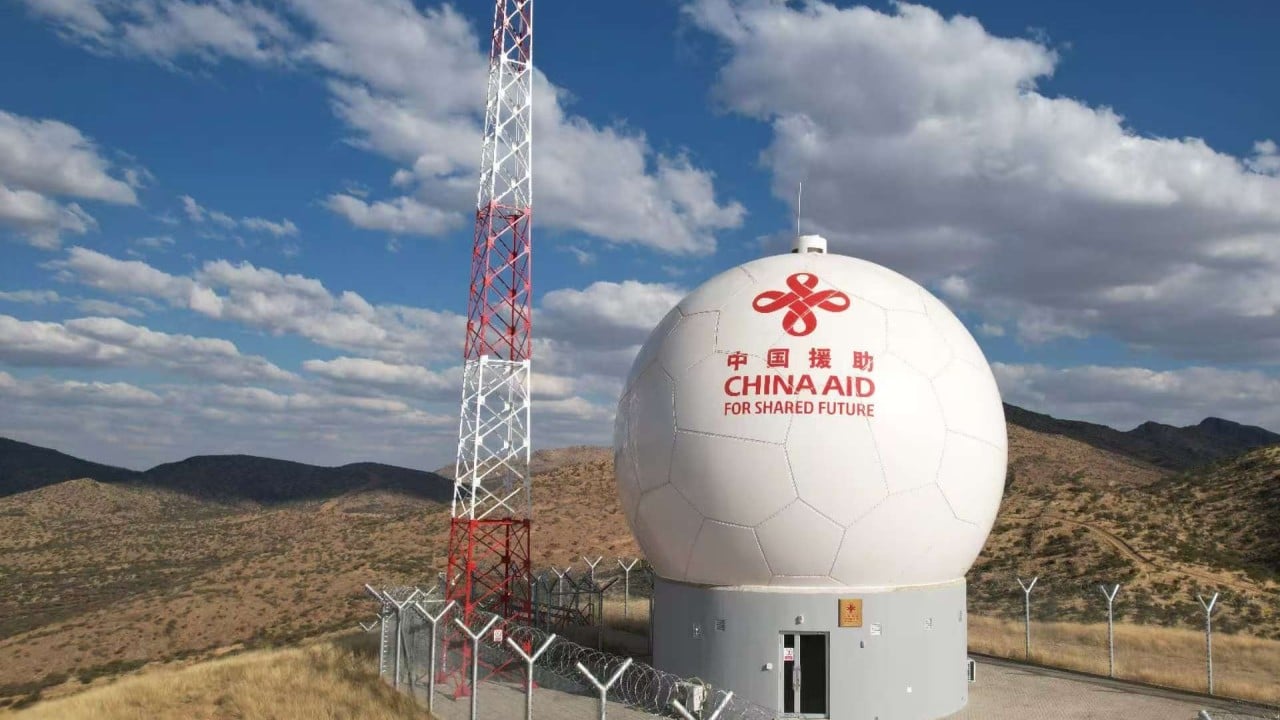
From a satellite ground station in Namibia to an Egyptian laboratory in orbit, China has been building the hi-tech backbone of Africa’s space ambitions. Earlier this month, Beijing handed over a new satellite data ground station near Windhoek, Namibia – the latest in a growing network of space facilities across the continent built by China or with Chinese funding. The China-funded ground station at Windhoek’s Telecom Earth Station enables Namibia to process remote-sensing data from satellites, including the China-Brazil Earth Resources Satellite (CBERS-4). Advertisement During the February 12 handover, China’s…
Day: February 22, 2026
China’s C909 jet gets international uplift with funding for adoptive airline
China’s leading planemaker is redoubling its efforts to boost the international profile of its home-grown jets in 2026, injecting a sizeable amount of capital into a subsidiary carrier as it attempts to widen its planes’ coverage area and attract more overseas buyers. The state-owned Commercial Aircraft Corporation of China (Comac), manufacturer of the C909 regional airliner and the company’s flagship narrowbody C919, recently infused 634 million yuan (US$91.76 million) into C909 launch customer Chengdu Airlines, in which the planemaker has a 48 per cent controlling stake. Combined with funding from…
Japan mines Pacific Ocean mud for rare earths to counter China’s chokehold
For individuals Discover all the plans currently available in your country For multiple readers Digital access for organisations. Includes exclusive features and content. Financial Times
Japan mines Pacific Ocean mud to counter China’s rare earths chokehold
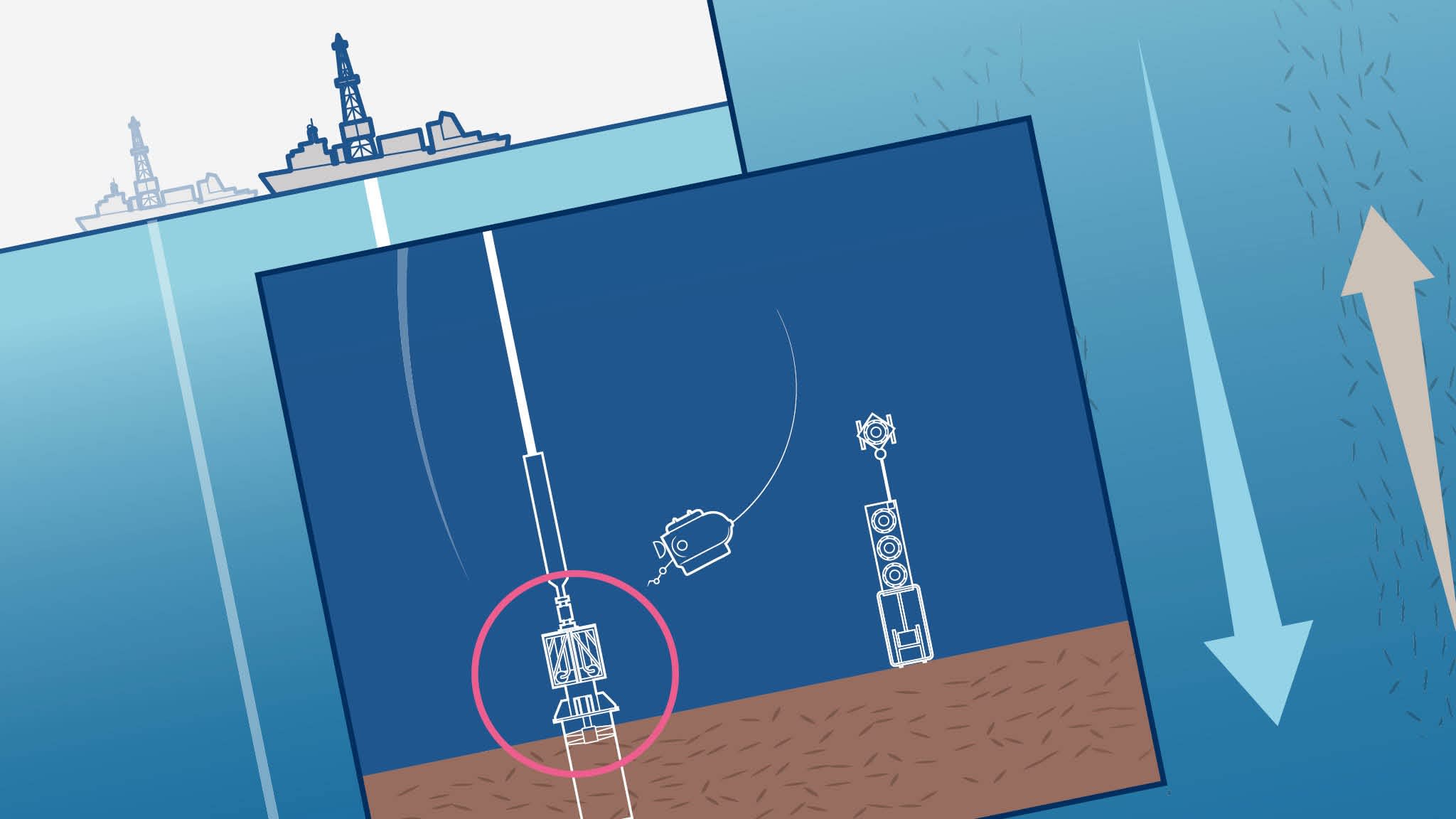
Unlock the Editor’s Digest for free Roula Khalaf, Editor of the FT, selects her favourite stories in this weekly newsletter. Japan is embarking on an ambitious effort to retrieve rare earth elements from the ocean floor as it seeks to loosen China’s grip over the metals vital to missiles, radar systems and drones. A Japanese state-backed expedition announced this month that it had successfully retrieved rare-earth rich mud from a remote Pacific seabed 6,000m deep — deeper than Mount Fuji is tall. Japan in 2011 discovered resources near Minamitorishima, an…
Japan mines for deep sea rare earths to counter China’s chokehold
Unlock the Editor’s Digest for free Roula Khalaf, Editor of the FT, selects her favourite stories in this weekly newsletter. Japan is embarking on an ambitious effort to retrieve rare earth elements from the ocean floor as it seeks to loosen China’s grip over the metals vital to missiles, radar systems and drones. A Japanese state-backed expedition announced this month that it had successfully retrieved rare-earth rich mud from a remote Pacific seabed 6,000m deep — deeper than Mount Fuji is tall. Japan in 2011 discovered resources near Minamitorishima, an…
Why Chinese universities are ditching language degrees for strategic regional expertise
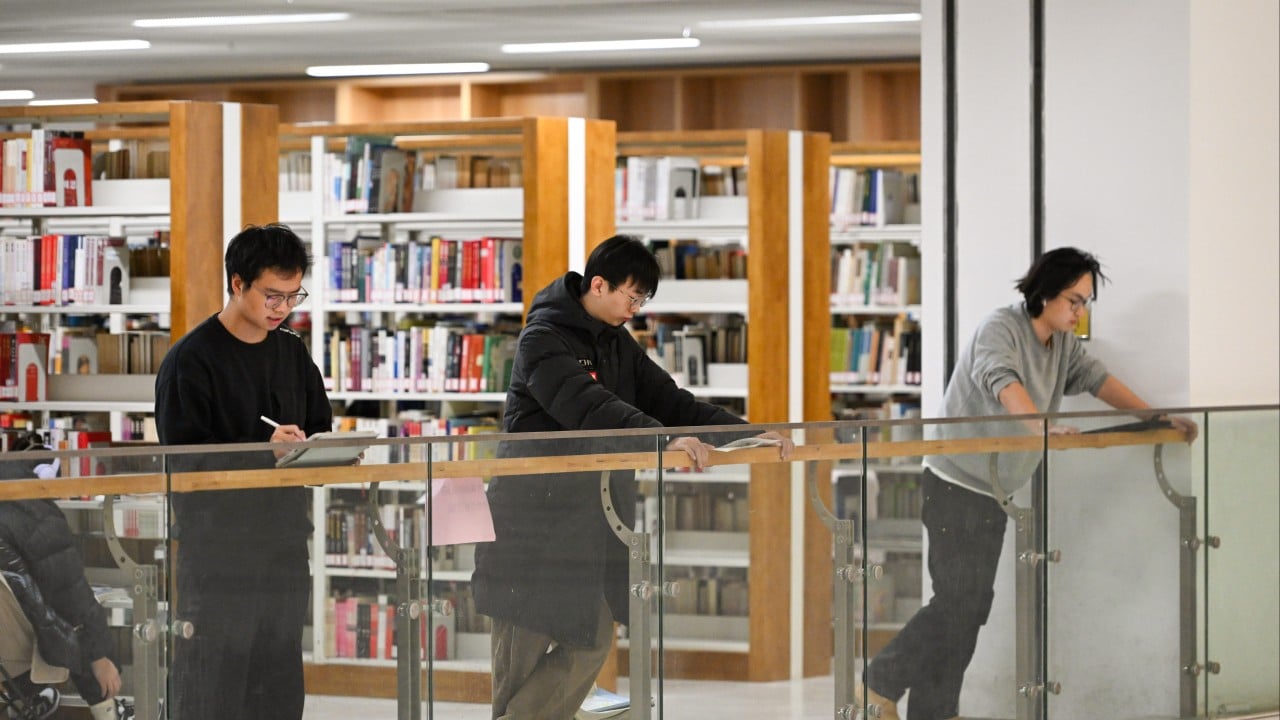
Universities in China are shifting focus from traditional language degrees to country-specific and regional studies – a move analysts say reflects a broader strategy to craft a uniquely Chinese framework for understanding the world, independent of Western paradigms. The field of regional or area studies examines the politics, economics, culture, military affairs, geography, linguistics and other dimensions of countries and regions worldwide. Ministry of Education data shows that the interdisciplinary field has rapidly grown in popularity as an academic programme. At least 450 regional studies centres across more than 180…
Trump’s neo‑royalist world order and ‘weaponised interdependence’: Abraham Newman
Abraham Newman is an American political scientist and a professor in the School of Foreign Service and Department of Government at Georgetown University. His research focuses on the ways in which economic interdependence and globalisation have transformed international politics. Along with Henry Farrell, he is co-author of the book Underground Empire: How America Weaponised the World Economy, published in 2023. In this interview, he discusses how the concept of weaponised interdependence has… South China Morning Post
Map: 7.1-Magnitude Earthquake Shakes the South China Sea
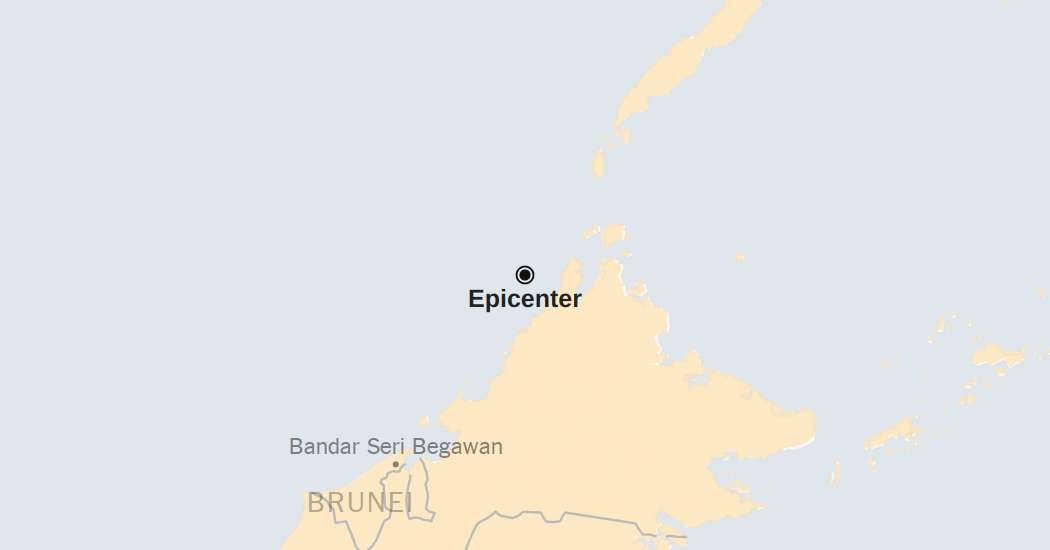
Shake intensity Note: Map shows the area with a shake intensity of 4 or greater, which U.S.G.S. defines as “light,” though the earthquake may be felt outside the areas shown. All times on the map are Eastern. The New York Times A major, 7.1-magnitude earthquake struck in the South China Sea on Sunday, according to the United States Geological Survey. The temblor happened at 11:57 a.m. Eastern about 34 miles northwest of Kota Belud, Malaysia, data from the agency shows. As seismologists review available data, they may revise the earthquake’s…
Europe needs to learn the art of the trade deal
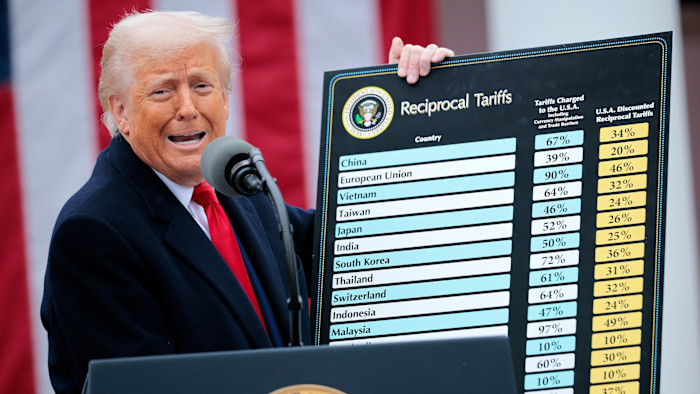
Unlock the White House Watch newsletter for free Your guide to what Trump’s second term means for Washington, business and the world The writer is the former deputy prime minister of Canada The Supreme Court’s tariffs decision on Friday gives the US and its allies the chance for a reset. “Liberation day” tariffs imposed in April, and the ineffective international reaction to them, hurt regular Americans and strained the country’s relationship with its closest friends. The Supreme Court’s ruling offers a rare opportunity to fix that historic error. If they…
China’s Type 095 nuclear submarine spotted for first time in new satellite images
China has launched its first next-generation Type 095 nuclear-powered attack submarine (SSN), according to satellite imagery analysed by defence experts. It marks a significant leap as Beijing ramps up the underwater arms race to challenge US naval dominance in technology and production. Images captured between February 9 and 12 showed the vessel being fitted out at the Bohai Shipyard in Huludao, Liaoning province, according to Janes and Naval News. Advertisement Defence analysts said the pictures revealed a new design with advanced acoustic stealth and strike capacity. The most prominent visual…