The scandal unfolded in late December when Nanjing Museum in eastern Jiangsu province was alleged to have secretly sold donated paintings after the artworks were mishandled by a former director.
The controversy centres on five paintings among a 137-piece collection donated by the family of collector Pang Laichen in 1959 with the intention of being preserved within the museum, yet they were found to be missing during a court-ordered inventory check filed by Pang’s descendants.
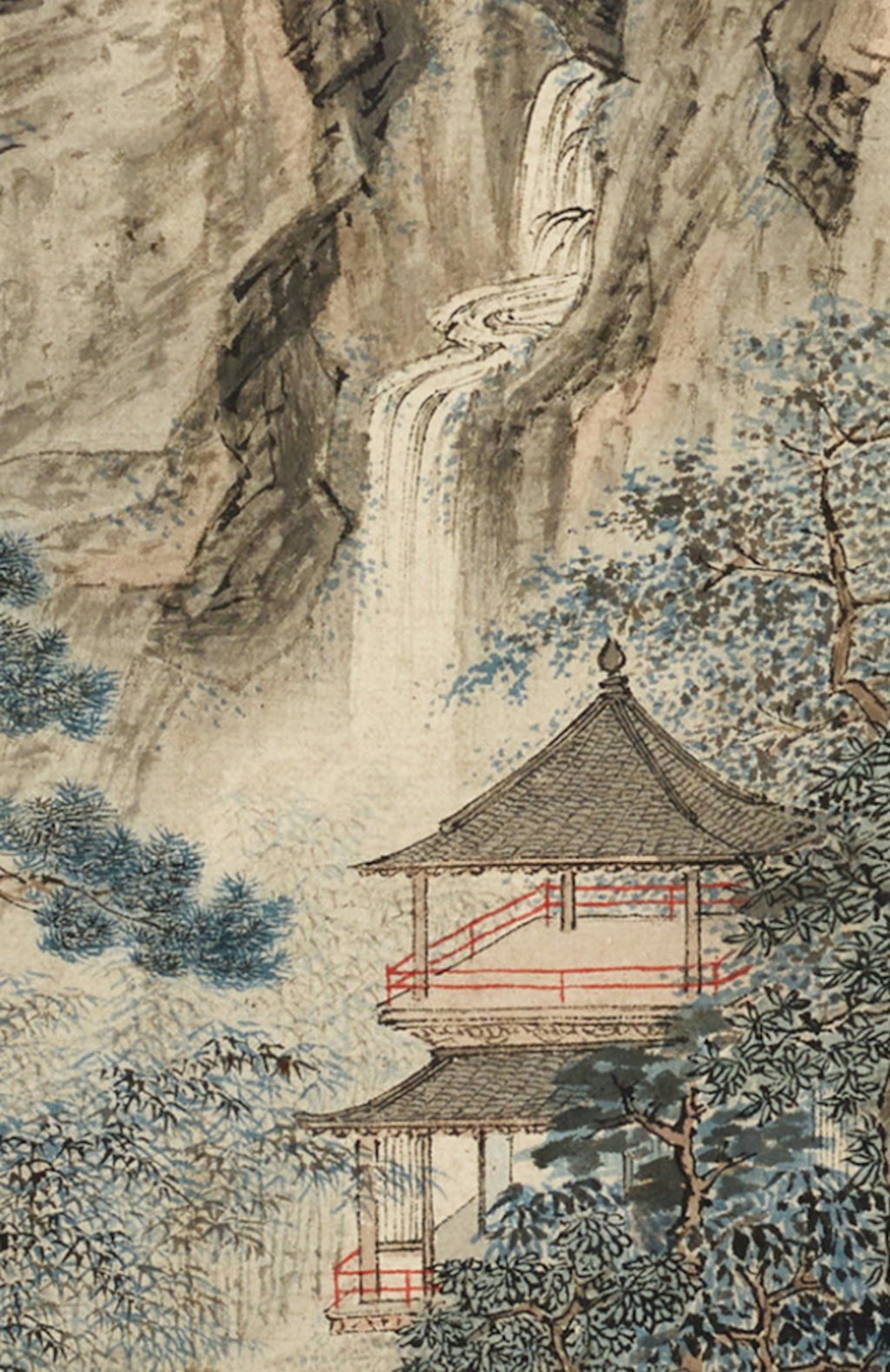
Earlier last year, one of the works, the renowned Ming dynasty painting Spring in Jiangnan by Qiu Ying, appeared for auction to be sold for an estimated 88 million yuan (US$12.7 million), prompting Pang’s great-granddaughter, Pang Shuling, to report the case to the authorities and ask the museum to provide documentation about the treatment of the artwork. The painting was withdrawn from sale after protests by the family.
Advertisement
The months-long probe – which involved more than 1,100 interviews and the review of 65,000 archival documents – found that some of the five works in question were illegally transferred, sold or lost over the decades, according to a report released by Jiangsu provincial authorities under the guidance of the National Cultural Heritage Administration on Monday evening.
Advertisement
The investigation found that in the 1990s Xu Huping, then the museum’s vice-director, violated procedures to approve the transfer of the five donated paintings to the state-owned Jiangsu provincial cultural relics store for sale.
In 1997, a store employee surnamed Zhang allegedly altered Spring in Jiangnan’s price tag from 25,000 yuan to 2,500 yuan, orchestrated its purchase by an accomplice for 2,250 yuan, and then helped its resale with two other paintings for 120,000 yuan to a private collector. The painting later passed through several private hands before it appeared at auction last year.