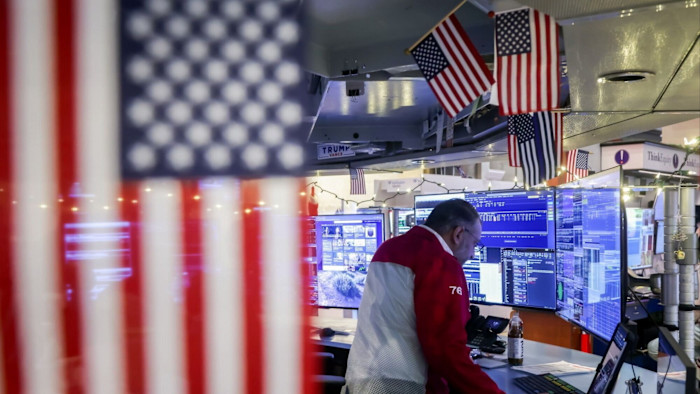
Investors expect the Federal Reserve to hold US interest rates steady at the end of January and to make two 0.25 percentage point cuts by the end of this year.
Inflation data due out on Tuesday could put those assumptions to the test.
Economists polled by Bloomberg expect the data to show that the annual inflation rate was flat in December at 2.7 per cent. They expect the core figure, which strips out volatile energy and food prices and is closely watched by rate setters, to have risen to 2.7 per cent, from 2.6 per cent in November.
November’s report showed annual inflation falling much more than Wall Street had expected. But analysts warned that the report was flawed because of missing data due to last year’s federal government shutdown. Some economists have warned of a surprise rise in inflation in December, as the effects of the shutdown wane.
This will be key for the Fed. Last year, the central bank brought US borrowing costs to a three-year low despite divisions among its policymakers, with some warning that not enough attention was being paid to the risk that rate cuts could exacerbate inflation.
“We have signalled a number of circumstances in which US rates could move significantly higher driven by macro factors,” said Steve Englander, head of FX research at Standard Chartered. “In the near term, the biggest risk in our view is that inflation does not come off as is widely expected.” Alexandra White
Will the world go on absorbing China’s exports?
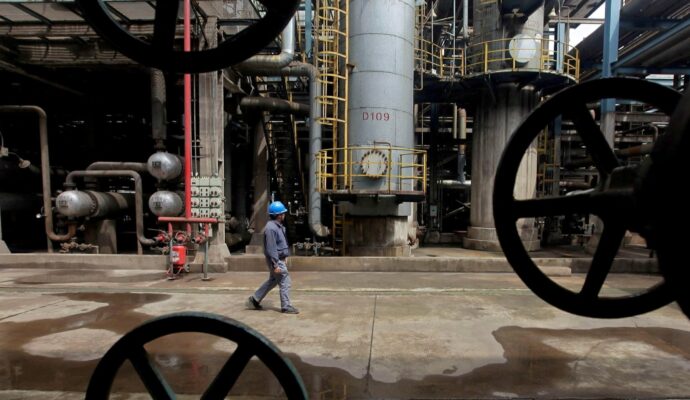
China will release its December trade figures on Wednesday, capping off a year in which the country generated a historically large trade surplus that is causing increasing angst in the rest of the world.
The median forecast from a Bloomberg poll of economists puts the December surplus at $114bn, up from $112bn in November. If accurate, this would bring China’s 2025 surplus to just under $1.2tn, its largest on record.
China is leaning on exports to drive growth, at a time when demand and consumer confidence are in the doldrums after years of falling property prices. Rhodium Group estimates that net exports added 1.7 per cent to China’s GDP last year.
China’s surging exports are stoking trade tensions with countries beyond the US. There has been a sharp increase in anti-dumping investigations against Beijing, with most being launched by other developing nations, according to Absolute Strategy Research. Countries such as Turkey, Brazil, India and Indonesia are not eager to absorb indefinitely the results of China’s industrial overcapacity.
There are mounting concerns that China’s currency is fuelling its trade surplus. Although the country has become a global leader in high-tech exports, economists argue that an undervalued currency is further boosting China’s trade competitiveness.
Despite strengthening 4.4 per cent against a slumping dollar last year, the renminbi’s real effective exchange rate, which adjusts for inflation, shows the currency has declined more than 15 per cent against the currencies of China’s trading partners since 2022, according to the Bank for International Settlements.
This has prompted more economists inside and outside China to call for the renminbi to strengthen, to help ease some of the imbalances destabilising the global trading order.
But many expect China’s trade surplus to continue to swell.
“We expect it to continue rising in the coming years, thanks to structural growth in high-tech manufacturing exports and the government’s push for self-sufficiency,” Goldman Sachs analysts wrote in a recent note. William Sandlund
Is the UK economy stagnating?
The UK’s economy is battling high borrowing costs and rising taxes. GDP figures for November due out on Tuesday will help investors to gauge how it is faring and to evaluate the future path of interest rates.
Economists polled by Reuters expect marginal growth of 0.1 per cent between October and November, after mild contractions in the previous two months.
Manufacturing is set to extend a recovery from its large fall in September, helped by a rebound in output from Jaguar Land Rover following the cyber attack that hit production in the summer and into the autumn.
But economists expect some drag from the five-day strike by resident doctors in November, while official data has already shown that retail sales fell 0.1 per cent in the month.
November also saw intense speculation about impending tax rises in the November 26 Budget, hitting business and consumer confidence. Chancellor Rachel Reeves ultimately delivered a £26bn rise in taxes, lifting the overall burden to 38 per cent of GDP by the end of this parliament.
In December, the Bank of England said it expected no growth across the fourth quarter of 2025, marking a sharp decline from stronger growth at the start of the year. Slowing momentum contributed to the central bank’s decision to cut interest rates by a quarter point to 3.75 per cent at that month’s meeting. Financial markets are pricing another one or two quarter-point cuts by the end of this year.
“I continue to see downside risks from weak demand and particularly consumption,” said rate setter Dave Ramsden in December. “Consistently weak consumer confidence and ongoing fiscal consolidation contribute to a sluggish growth outlook, even if the announcement of the Budget offers some certainty.”