Unlock the Editor’s Digest for free
Roula Khalaf, Editor of the FT, selects her favourite stories in this weekly newsletter.
Nvidia has “fired up” production of H200 artificial intelligence data centre chips in the expectation it will soon be able to resume sales in China after striking a deal with the White House, chief executive Jensen Huang said on Tuesday.
Demand for the chips “is high . . . very high, and we’ve fired up our supply chain and H200s are flowing through the line”, the company’s founder said.
President Donald Trump in December announced he would allow Nvidia to ship these advanced chips to China in exchange for a 25 per cent government cut from sales, but the deal with the White House has not been finalised.
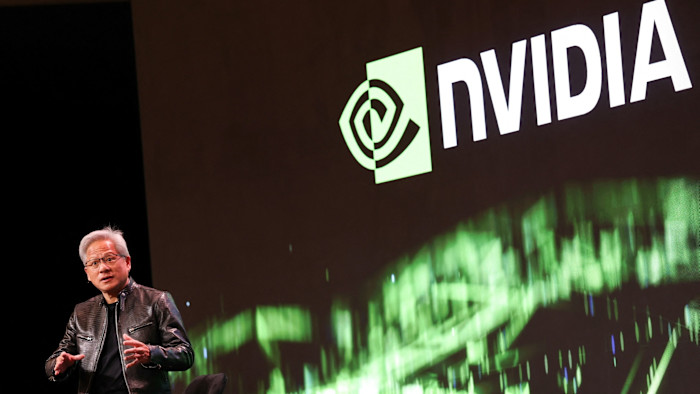
“We’re getting the last details of the licensing finished with the US government,” Huang said at the CES tech conference in Las Vegas.
The decision to increase H200 production shows the company’s confidence that sales in China will resume, after previous arrangements to reopen the market failed to materialise amid Trump’s trade battles with Beijing.
“It appears that we’re going to be going back to China,” Huang said.
The $4.5tn chip group at the heart of the AI boom has been unable to sell its advanced AI chips in the vast Chinese market since last year because of restrictions from Washington and a backlash against its technology from Beijing.
Huang said his revenue prediction for 2026 of half a trillion dollars, which he made late last year, could increase in light of the Chinese market opening again.
The H200 belongs to an older generation of Nvidia hardware. It is more advanced than the H20 chips the company was previously allowed to sell to China, but behind the latest Blackwell series of chips.
Trump’s decision to allow H200 exports marked a stunning lobbying win for Huang, after an earlier deal to resume H20 sales stalled.
But the move has drawn criticism from hawks in Trump’s Republican party, as well as Democrats, who worry it will help give China an edge in an AI technology race between the two superpowers.
Some have also questioned the legal basis for Nvidia paying the US government 25 per cent of its revenue from sales in China.
Beijing has meanwhile retaliated by directing its domestic tech companies not to use Nvidia chips, creating further uncertainty around whether the trade in chips will resume.
Huang said: “We are not expecting any press releases or . . . any large declarations [from Chinese authorities]”
“We’ll learn about everything through purchase orders” from Chinese customers for the H200, he said.
The H200 would be “competitive” against Chinese rivals such as Huawei, but eventually Nvidia would have to be able to release newer chips in China to stay ahead, he added.
Huang opened the annual CES conference on Monday with the announcement that Vera Rubin, the newest generation of Nvidia’s sought-after AI data centre technology, has gone into production.
This suggests the new platform — five times faster than its predecessor, Blackwell — is on track to ship in the second half of this year as planned.
Investors have been watching closely for signs that the world’s most valuable public company is holding its competitive edge by releasing ever more powerful chips each year.
Its customers, including Google, Amazon and OpenAI, are all working on their own alternative chips technology.
AMD chief executive Lisa Su late on Monday used CES to showcase what she called “the world’s best” AI server using the company’s MI400 series chips, which competes with Nvidia’s Vera Rubin and are also set to launch later this year.