This article is an on-site version of our FirstFT newsletter. Subscribers can sign up to our Asia, Europe/Africa or Americas edition to get the newsletter delivered every weekday morning. Explore all of our newsletters here
Good morning, happy Friday and welcome back to FirstFT Asia. In today’s newsletter:
US senators target Nvidia’s China sales
Macron warns of “disintegration” of world order during Beijing visit
The Taliban comes in from the cold
We start in Washington, where a bipartisan group of US senators introduced legislation yesterday that would block Nvidia from selling advanced chips to China. Here’s what to know.
About the bill: The Secure and Feasible Exports Chips Act would require the commerce secretary to deny export licences for advanced chips to China for 30 months. The bill would prevent Nvidia from selling the H200 and Blackwell, its most advanced chip, to China. It comes as the White House weighs whether to allow Nvidia to export the H200 to China — a possibility that has alarmed some officials.
Pete Ricketts, the Republican chair of the Senate foreign relations east Asia sub-committee, who co-sponsored the legislation with Chris Coons, the top Democrat on the panel, said the US was leading in the AI race with China largely because of its “dominance of global compute power”.
“Denying Beijing access to these chips is therefore essential,” Ricketts said.
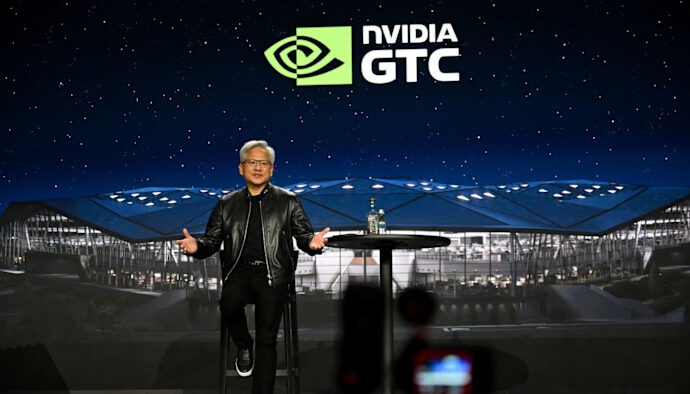
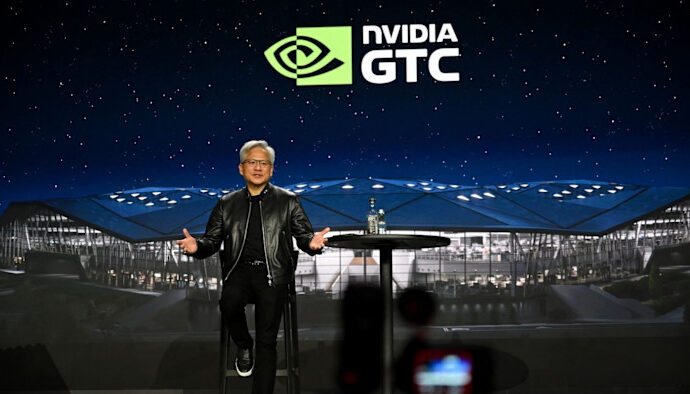
Go deeper: Nvidia chief Jensen Huang was in Washington on Wednesday and met Trump and Republican senators on the banking committee. Ahead of the meeting, he said Beijing would not accept degraded chips and that US companies should be able to export their most competitive chips to China.
The bill comes as China hawks in Washington fear Donald Trump is ignoring security issues to preserve the trade deal he agreed with Chinese President Xi Jinping in October. Read the full story from our US-China correspondent Demetri Sevastopulo.
US-China relations: Washington has halted plans to impose sanctions on China’s Ministry of State Security over a massive cyber espionage campaign in order to avoid derailing Trump and Xi’s trade truce.
Rare earths: China has said it is issuing general licences for exports of rare earths, in a move that could ease trade tensions with the US, Europe and other trading partners.
Here’s what else we’re keeping tabs on today and over the weekend:
Economic data: Taiwan and the Philippines report inflation data. Japan publishes November trade statistics. Vietnam on Saturday releases monthly inflation, industrial output and trade figures.
Monetary policy: The Reserve Bank of India announces its monetary policy decision. Soaring growth has made some economists question previous assumptions that India’s central bank will announce another rate cut.
India-Russia relations: Prime Minister Narendra Modi hosts Vladimir Putin for a summit where energy and defence ties — and Trump’s tariffs — are on the agenda.
Hong Kong: The government is holding a “patriots only” legislative election on Sunday, amid public anger over the city’s deadliest fire in decades. (Reuters)
Why did OpenAI chief Sam Altman declare a “code red” at the company this week? Take our news quiz.
Five more top stories
1. France’s President Emmanuel Macron has warned of the risk of the “disintegration of the international order” as he met Xi Jinping in Beijing. Ahead of the talks, the Chinese leader called on Macron to “hold high the banner of multilateralism” and prevent others from interfering in their countries’ relationship — a veiled reference to charges that European policy towards China is being influenced by a hawkish US administration.
2. Yields on Japan’s benchmark government bonds rose to their highest level since 2007 as investors fretted over Prime Minister Sanae Takaichi’s spending plans and braced themselves for an interest rate increase. A government spokesperson said the administration was “closely watching” market moves in long-term interest rates.
3. Meta has set out plans to meaningfully cut back its metaverse efforts next year, as chief executive Mark Zuckerberg narrows his focus on winning the AI race. The news was welcomed by investors, who have questioned Zuckerberg’s spending on an initiative that failed to gain traction with consumers and promised no immediate returns.
4. US admiral Frank Bradley has defended his order to launch a second strike that killed survivors of an earlier attack on an alleged drug trafficking boat. Bradley’s briefing to lawmakers behind closed doors yesterday about the double strike in the Caribbean comes as Trump and defence secretary Pete Hegseth seek to distance themselves from the controversial action.
5. UK universities are shutting out applicants from Pakistan and Bangladesh because of concerns over visa abuse and tougher Home Office rules. At least nine higher education institutions have restricted recruitment from “high risk” countries as they face increased pressure to ensure they are enrolling genuine students.
The Big Read
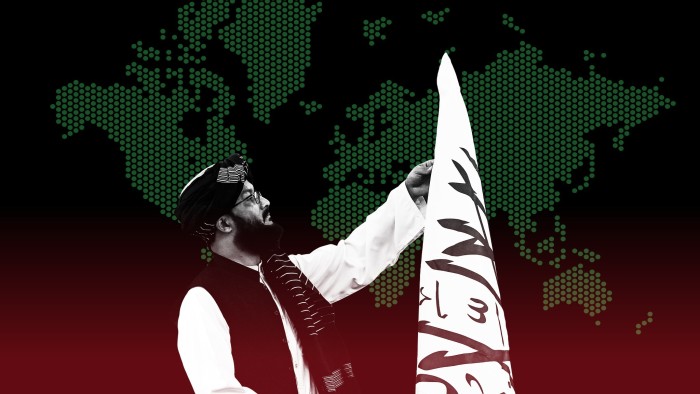
When the Taliban returned to power in 2021, many countries severed all ties with Afghanistan’s new government. But over the past few months, the Islamist regime has begun to emerge from diplomatic isolation. The Taliban, whose senior leadership remains under UN and western sanctions, hopes diplomatic outreach from countries including Russia, China and India will translate into much-needed economic aid.
We’re also reading . . .
Robots in the workforce: Wile Japan is still a big player in industrial humanoids, the robot enthusiast baton has been passed to China, writes Leo Lewis.
Out of this world: Elon Musk’s $1tn incentive plan supercharges a long history of rewards driving up executive pay, writes Andrew Hill.
Jacinda Ardern: A new documentary about the former New Zealand premier proves it is possible to be a sensitive, compassionate, sane person — and a politician.
Chart of the day
A boom in satellites is brightening the night sky and hindering astronomers’ ability to study distant galaxies, according to research from Nasa scientists. The findings highlight how a lack of international rules threatens crucial astrophysical measurements taken from both Earth and outer space, writes science editor Michael Peel.

Take a break from the news . . .
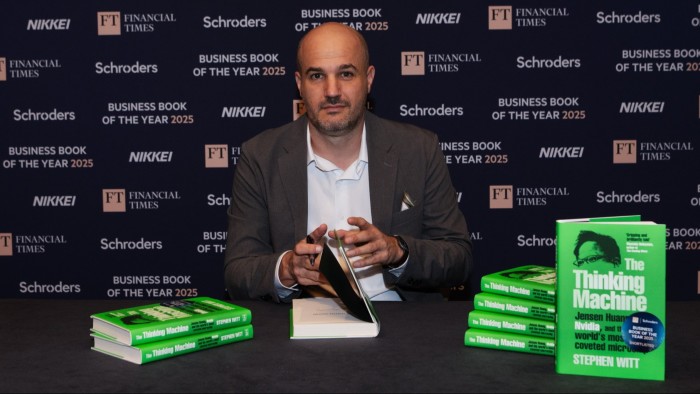
. . . and pick up a book. Stephen Witt’s The Thinking Machine, which tells the inside story of how Nvidia became the world’s most valuable corporation, has won the Financial Times and Schroders Business Book of the Year prize.
For more reading recommendations — including the best books to gift this holiday season — join us today for a live Q&A with the FT’s books editors Frederick Studemann and Maria Crawford.