Huawei bypasses Nvidia AI chips in touting key breakthrough for China
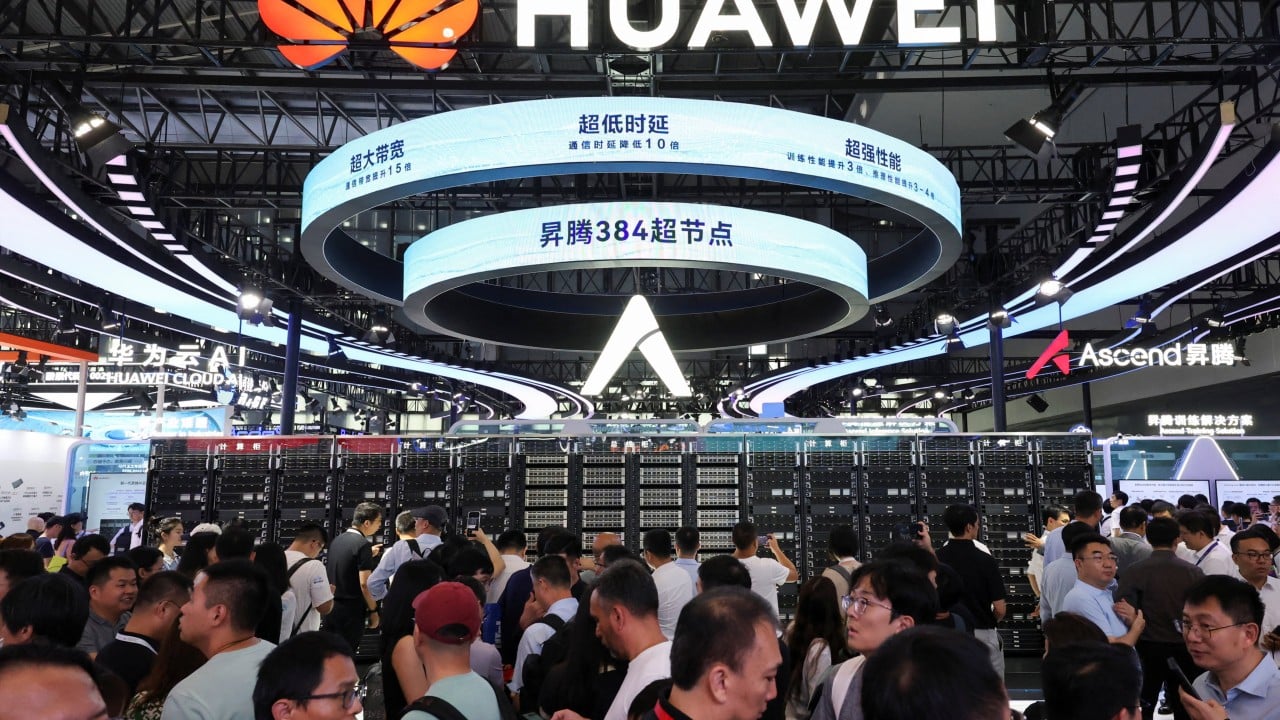
Huawei Technologies on Thursday unveiled hardware that it said could deliver world-class computing power without using Nvidia’s advanced chips, in a breakthrough that could potentially break the supply chokehold that constrains China’s aspirations in artificial intelligence. Advertisement The Shenzhen-based telecommunications equipment giant’s high-profile disclosure came just a day before a scheduled phone call between President Xi Jinping and his US counterpart Donald Trump, as Beijing seeks to minimise US export restrictions while pursuing a policy of self-reliance in technology. Huawei said it had developed the “world’s most powerful” supernode computing…

After Fed cut, moderate easing expected by China’s central bank, supporting yuan

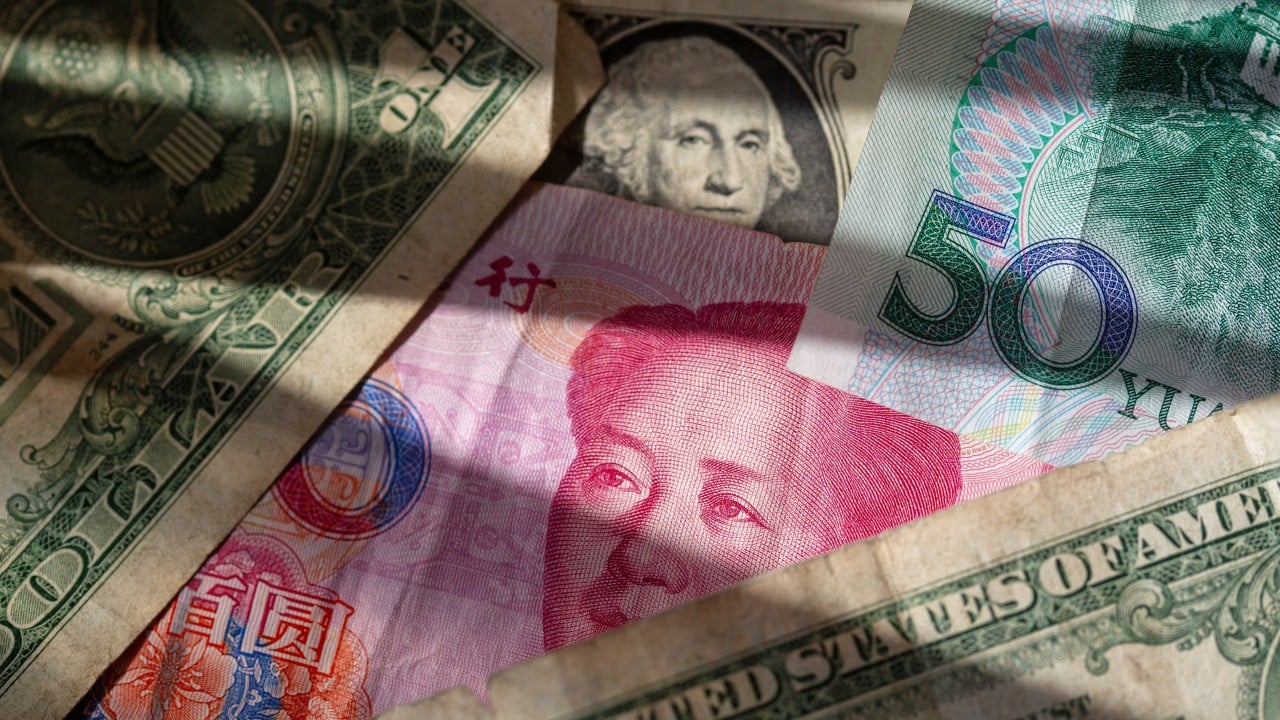
After the US Federal Reserve delivered its first interest rate cut of the year, analysts said China’s central bank was likely to proceed with only moderate easing this year, despite more room being available after the Fed’s move. Advertisement On Thursday morning, the People’s Bank of China (PBOC) set the yuan’s midpoint rate – also known as the daily fixing rate – at 7.1085, down from 7.1013 on Wednesday. The move followed the Fed’s announcement on Wednesday of a widely expected 25 basis point cut to its benchmark borrowing rate…

China’s ‘temple economy’ in the spotlight as scandals rock influential religious leaders

For a religious leader, the allegations were scandalous. Mistresses, illegitimate children, embezzlement. But in 2015, the head abbott of Shaolin monastery, the cradle of Zen Buddhism and kung-fu in China, was untouchable. Shi Yongxin, the so-called “CEO monk” who turned the 1,500-year-old monastery into a commercial empire worth hundreds of millions of yuan, held firm. Soon he was cleared of all charges. But 10 years later, the 60-year-old monk was not so lucky. In July, not long after Shi returned from a trip to the Vatican to meet the late…

Takeaways from Chinese Defence Minister Dong Jun’s speech at Xiangshan Forum

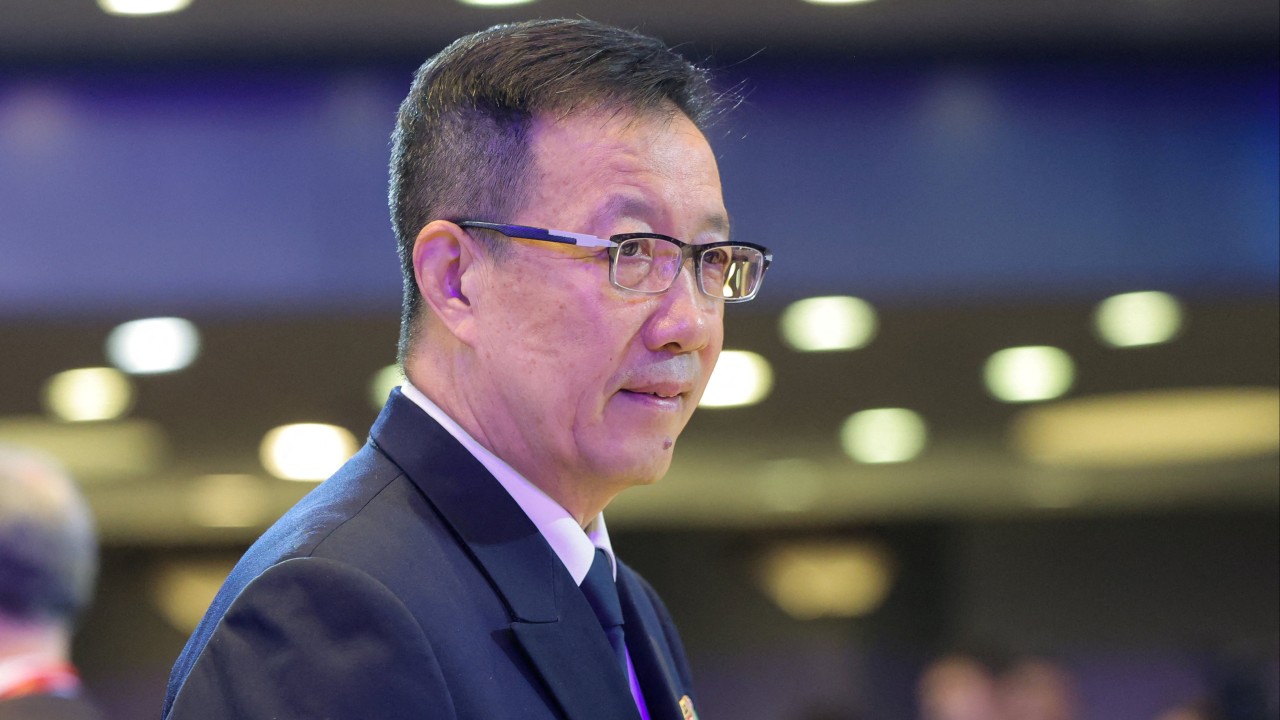
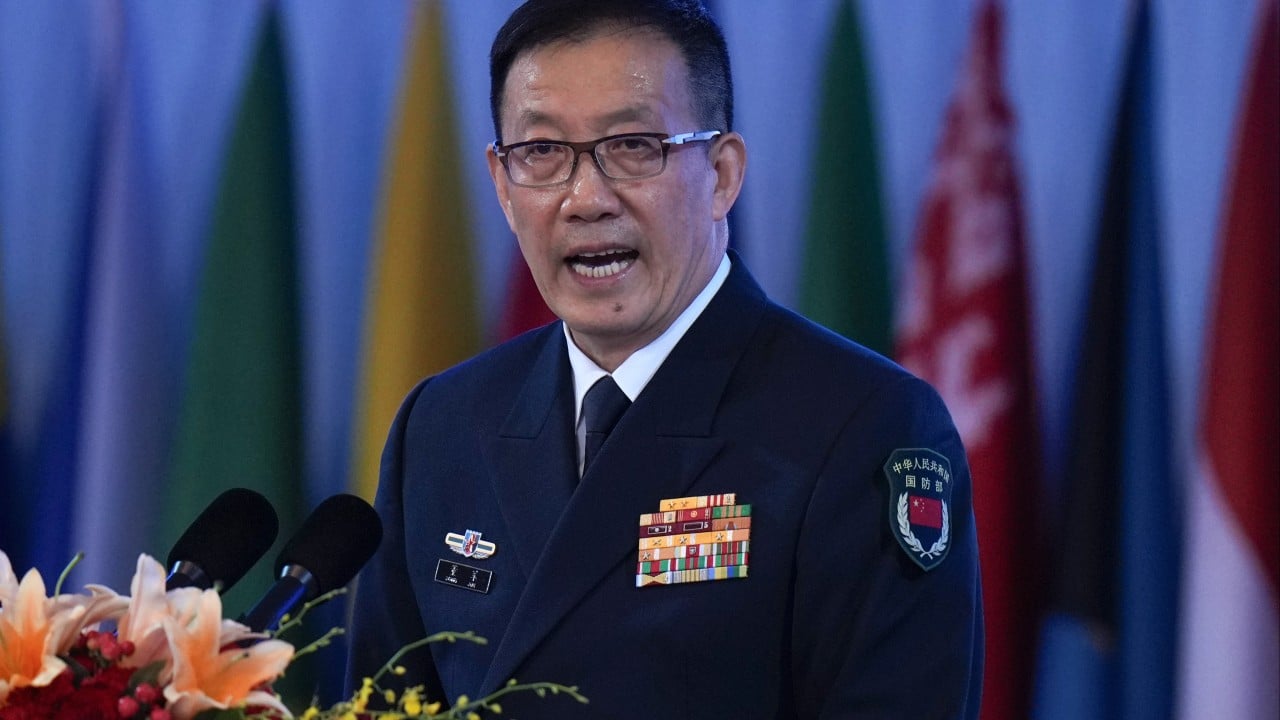
Advertisement During his 30-minute keynote speech Dong addressed key issues, including Taiwan, the South China Sea and China’s take on regional blocs by US allies. China’s annual security and defence dialogue, the Xiangshan Forum, opened on Thursday. Photo: AP 1. Historical memory and 9/18 anniversary Dong opened by marking the 918 Incident, urging nations to “never forget the lessons of war” and to oppose any resurgence of hegemonism or bullying. 2. Taiwan Advertisement “Taiwan’s return is an integral part of the post-war order,” Dong said, vowing that the PLA would…

China’s flying car start-ups take their case to the skies

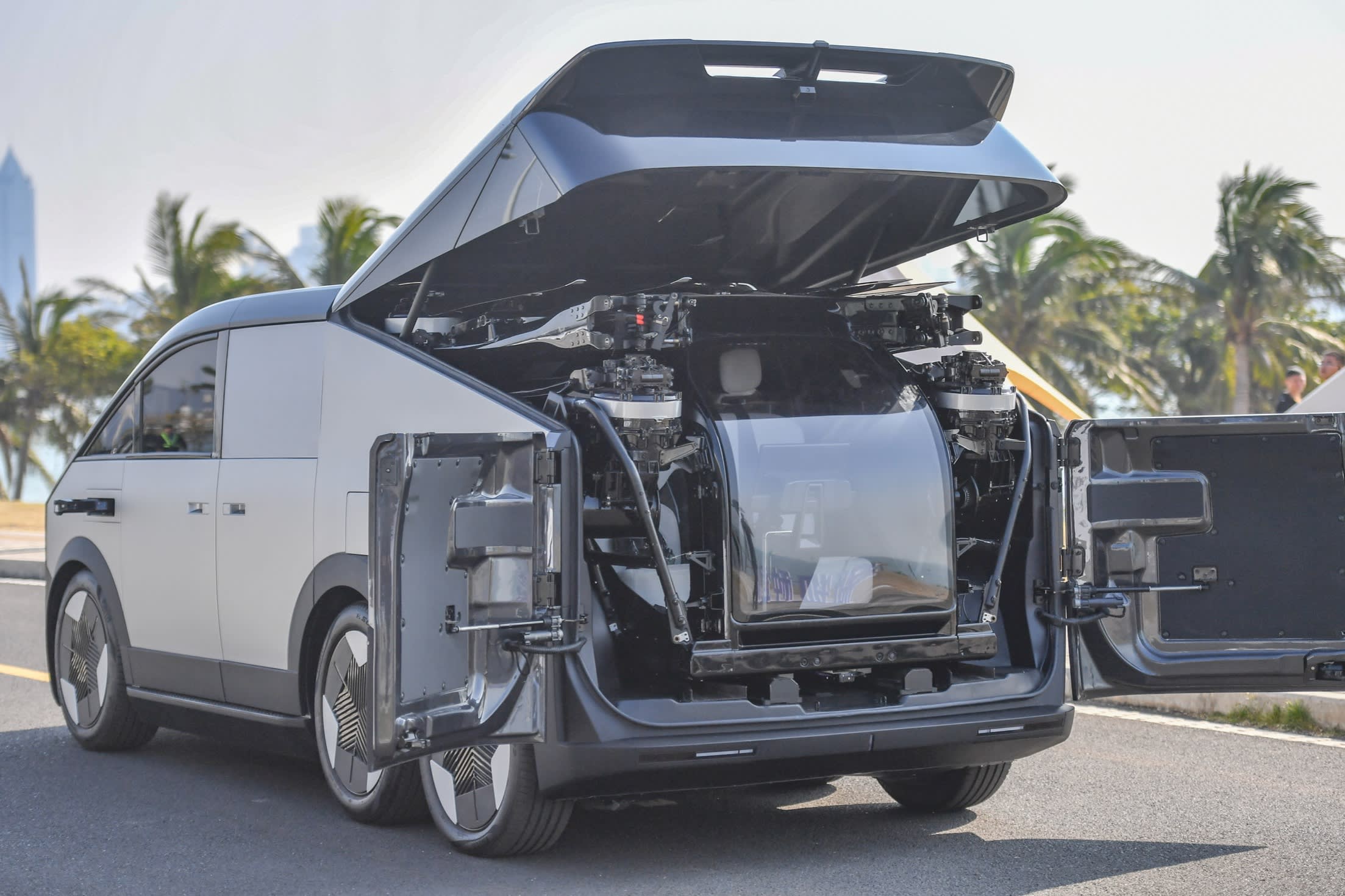
The white egg-shaped drone started with a flutter and then a whirr as it lifted its sole passenger about 20 metres into the air, hovering for about a minute before returning to the ground. The recent demonstration in southern China’s Guangzhou showcased the technology of flying taxi start-up EHang, which this year became the world’s first company to receive approval from its national regulator to operate unmanned passenger flights on tourist routes. “We believe [airspace] below 1,000 metres . . . is currently humanity’s most under-developed natural resource,” said company vice-president He Tianxing, referring…

China’s Dong Jun calls for countries to stand up against ‘bullying acts’

This live blog has been made freely available as a public service to our readers. Please consider supporting SCMP’s journalism by subscribing. The Chinese capital is this week hosting the country’s most important annual defence conference, the Beijing Xiangshan Forum. More than 100 defence officials, including participants from the United States, Russia, the European Union and Southeast Asia, are expected to attend the event. Chinese Defence Minister Dong Jun is addressing the forum. Reporting by Zhao Ziwen and Dewey Sim South China Morning Post

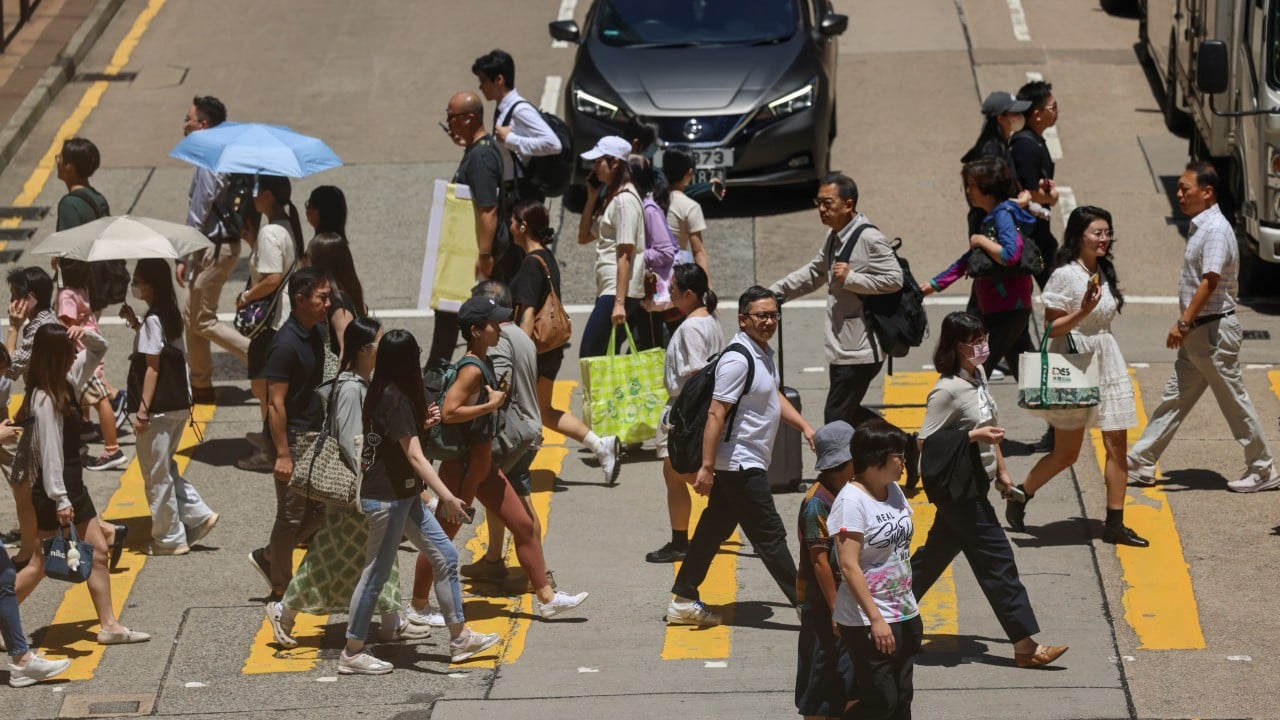
Hong Kong cuts base rate for first time this year, matching US Fed’s move

Hong Kong’s de facto central bank cut the city’s base rate for the first time this year, bringing down the cost of funding to help reboot businesses and reduce the burden on mortgage borrowers. Advertisement The Hong Kong Monetary Authority (HKMA) reduced the city’s base rate by a quarter point to 4.5 per cent on Thursday, matching the US Federal Reserve’s cut hours earlier to its target rate, which fell to the range of 4 per cent to 4.25 per cent during the sixth meeting of the Federal Open Market…

FirstFT: China orders tech companies to stop buying Nvidia AI chips

This article is an on-site version of our FirstFT newsletter. Subscribers can sign up to our Asia, Europe/Africa or Americas edition to get the newsletter delivered every weekday morning. Explore all of our newsletters here Good morning and welcome back to FirstFT Asia. In today’s newsletter: China’s Nvidia chip ban A Saudi-Pakistan defence pact The problem with taxing the rich What Trump’s tariffs mean to India’s economy — in charts China’s internet regulator has banned the country’s biggest technology companies from buying Nvidia’s artificial intelligence chips. Here’s what we know…

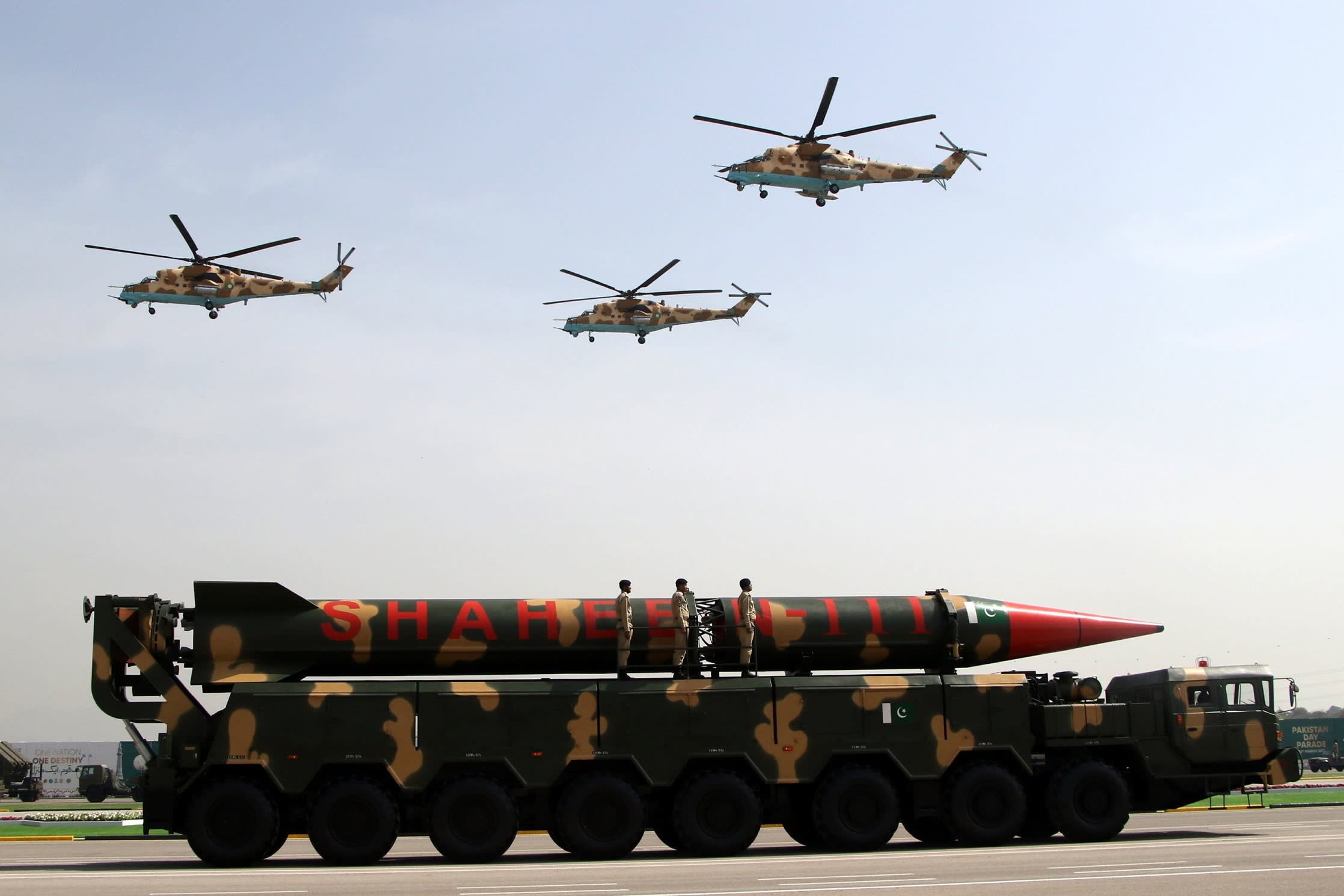
Saudi Arabia signs ‘strategic mutual defence’ pact with Pakistan

Unlock the White House Watch newsletter for free Your guide to what Trump’s second term means for Washington, business and the world Saudi Arabia has signed a “strategic mutual defence” pact with Pakistan, signalling to the US and Israel that the kingdom is willing to diversify its security alliances as it looks to bolster its deterrence.  The agreement with the nuclear-armed south Asian state comes a week after Gulf states — traditionally reliant on the US as their security guarantor — were deeply rattled by Israel’s missile strikes targeting Hamas’s…

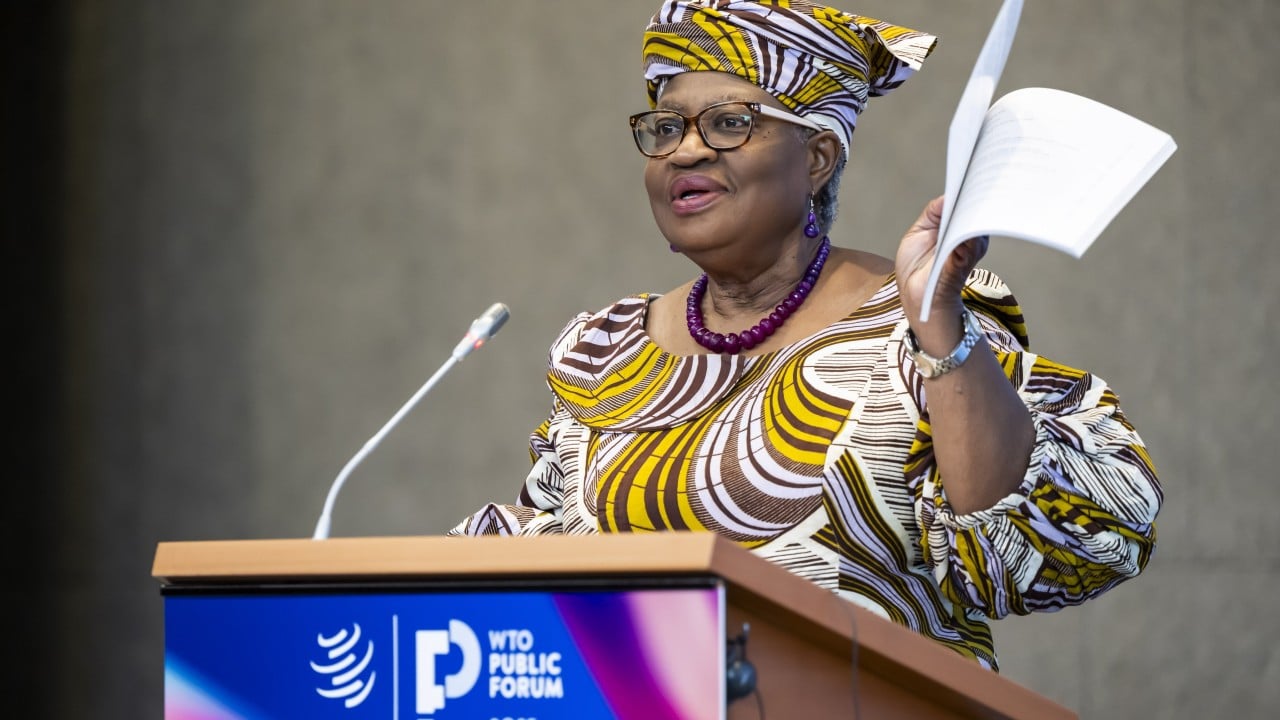
WTO chief finds hope in Trump trade disruption, sees chance for ‘reglobalisation’

The head of the world’s trade watchdog has delivered an upbeat take on US President Donald Trump’s unilateral tariffs – one of the biggest shocks to the global trading system since its emergence after the Second World War – casting the disruptions as a chance to cut supply imbalances, open new markets and spur “reglobalisation”. Advertisement A little over six months since Trump began slapping new levies on America’s trading partners, WTO Director-General Ngozi Okonjo-Iweala said on Wednesday that nearly three-quarters of global commerce remained governed by WTO rules, despite…