Unlock the Editor’s Digest for free
Roula Khalaf, Editor of the FT, selects her favourite stories in this weekly newsletter.
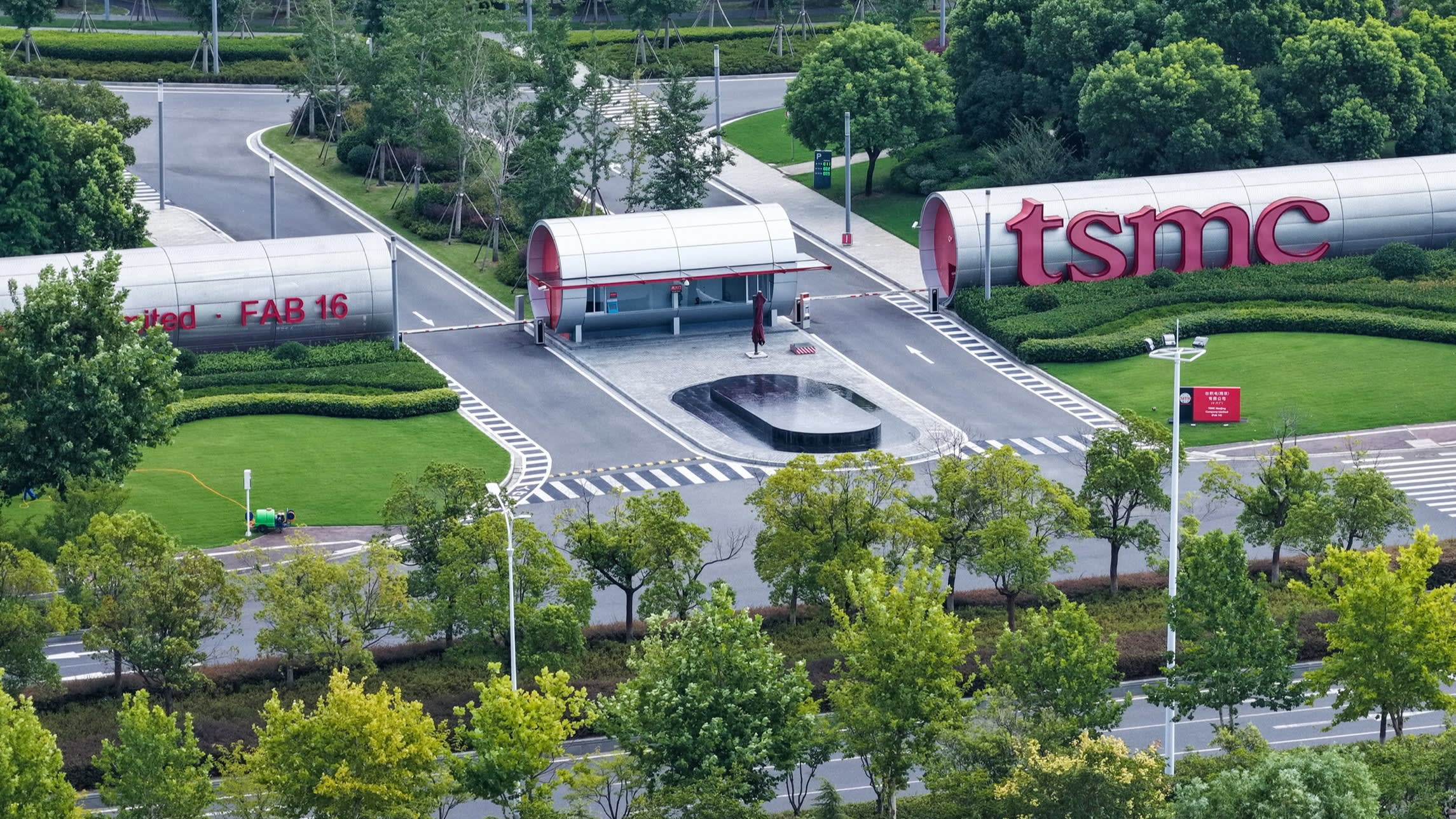
The Trump administration has revoked Taiwan Semiconductor Manufacturing Company’s authorisation to ship US chipmaking tools to China without requiring a licence, marking the latest effort to limit Beijing’s access to American technology.
The move follows a similar decision by the administration last week to similarly revoke the “validated end user” status of Samsung and SK Hynix, which make memory chips in China.
TSMC operates a facility in Nanjing that mass produces chips which are used in consumer electronics and various industrial applications. It also has a facility in Shanghai which uses older-generation technology.
The manufacturing of the most advanced chips, such as Nvidia’s sought-after AI accelerators — which cannot be exported to mainland China under US export controls — is carried out in Taiwan, as well as in the US.
“TSMC has received notification from the US government that our [validated end user] authorisation for TSMC Nanjing will be revoked effective December 31, 2025,” a TSMC spokesperson said on Tuesday.
“While we are evaluating the situation and taking appropriate measures, including communicating with the US government, we remain fully committed to ensuring the uninterrupted operation of TSMC Nanjing,” the spokesperson added.
TSMC shares were down around 2 per cent on Tuesday amid a wider decline in tech stocks. Shares in major US chip toolmakers KLA, Applied Materials and Lam Research were also down.
The revocation does not prohibit TSMC from exporting US chipmaking tools to China outright, but rather sets the stage for Washington to police it more closely in future by requiring the company to secure approval from the commerce department.
The move comes as US and Chinese negotiators continue trade talks designed to pave the way for a meeting between Donald Trump and Xi Jinping later this year. The Trump administration has so far resisted imposing strict export controls on China to avoid derailing the talks.
China is meanwhile pursuing a tripling of its output of artificial intelligence processors next year, the FT reported last week, as it seeks to gain an edge in an international race to dominate in the technology.
On Friday the US commerce department confirmed it had shut down the Biden-era arrangement for Samsung and SK Hynix, saying it intended to grant export licence applications to allow these companies to continue to operate their existing chipmaking facilities in China.
It said that it would not allow exports if their purpose was to “expand capacity or upgrade technology at fabs in China.”
Earlier this year TSMC committed to investing an additional $100bn in US chip manufacturing, building out its operations in Arizona, as the Trump administration seeks to expand domestic capacity.
Shares in South Korea’s Samsung and SK Hynix declined following the news of their revocations.
Intel also lost its licence-free status last week, but had already sold its China memory-chip manufacturing unit, Dalian, to SK Hynix earlier this year. The US government recently agreed to take a 10 per cent stake in the troubled US chipmaker.