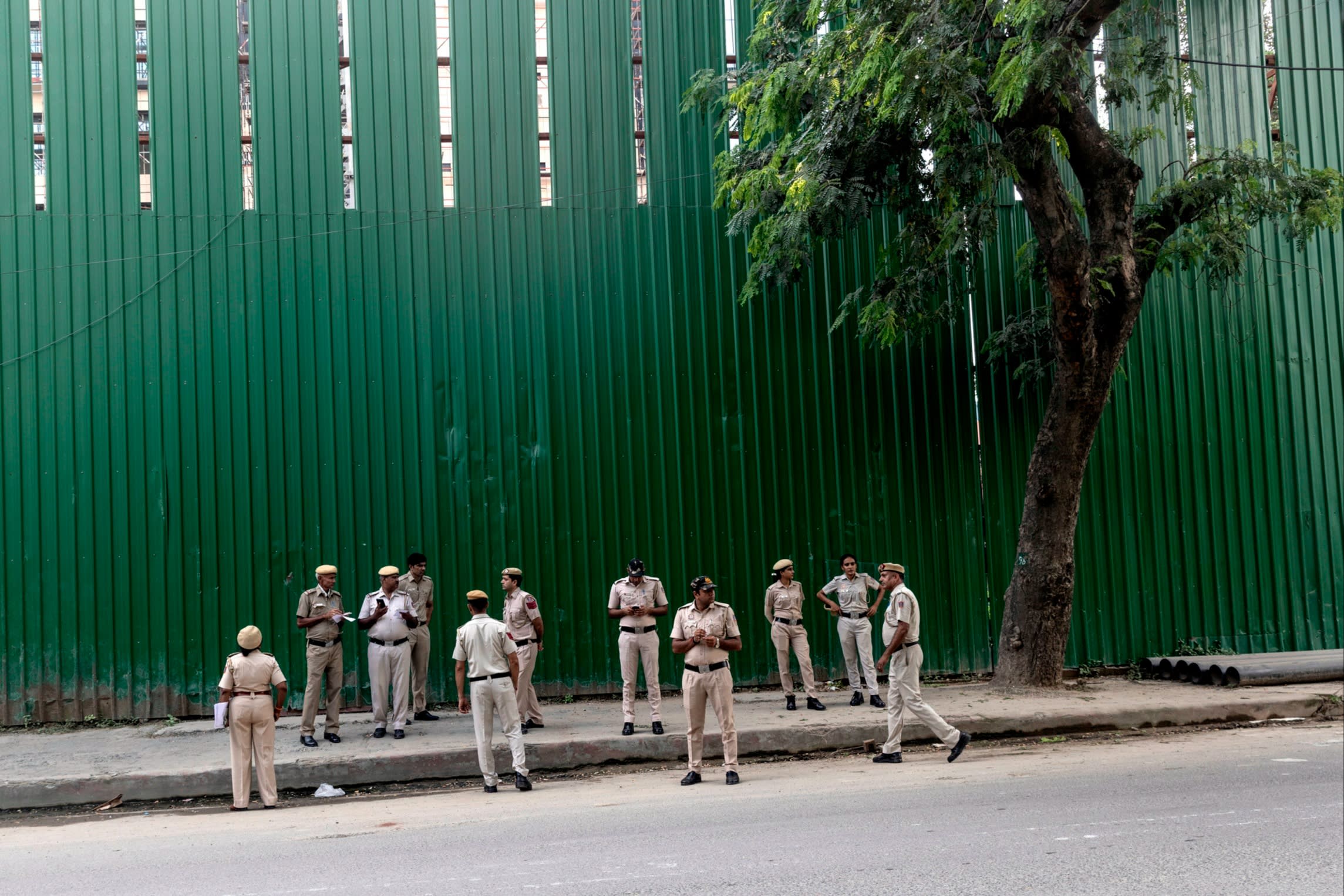
In recent weeks, the hoardings have come off some of the buildings rising in New Delhi’s government quarter along the Central Vista. This is a grand public space running about 3km from the British-built, monumental Rashtrapati Bhavan (formerly the Viceroy’s House), where Droupadi Murmu, India’s first female tribal president, sits; nearby is India Gate, the memorial to Indians who died fighting imperial Britain’s wars.
During the three years I’ve been reporting from India for the FT, Narendra Modi’s rightwing nationalist government has been transforming it in keeping with his push to decolonise Indian public spaces and minds.
In 2022 India overtook the UK as the world’s fifth-largest economy; in 2023 it overtook a demographically retrenching China by population. Modi hosted a G20 summit that served as a global coming out party of sorts for an ambitious nation that he described as vishwaguru, or teacher of the world, leading the way in areas ranging from digital payments to the cultivation of climate-resistant millets.
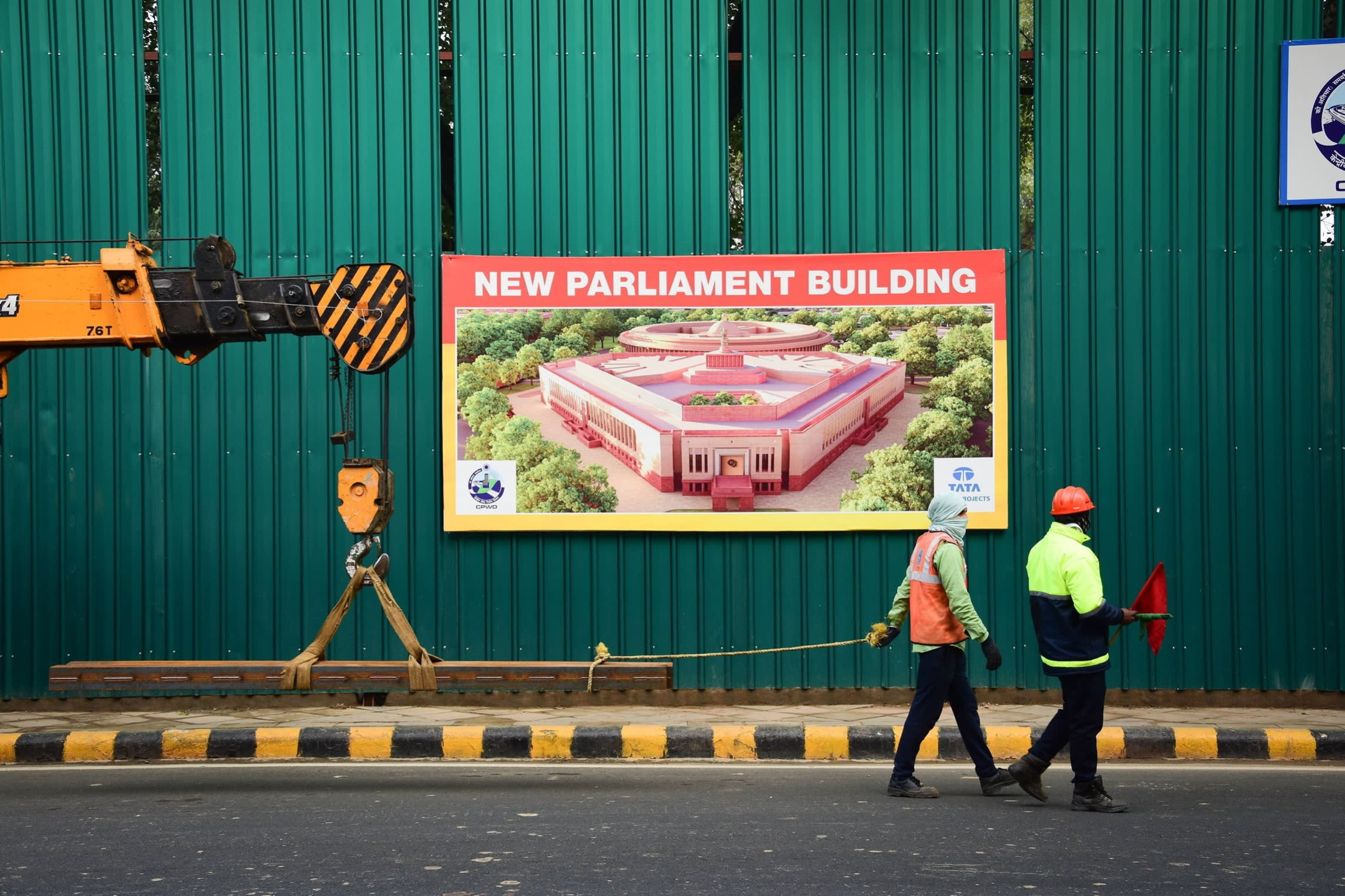
A government quarter is now coming up that should be worthy of the most populous country in the world, with a grandeur that will rival the boulevards and squares of Washington, Paris or Beijing.
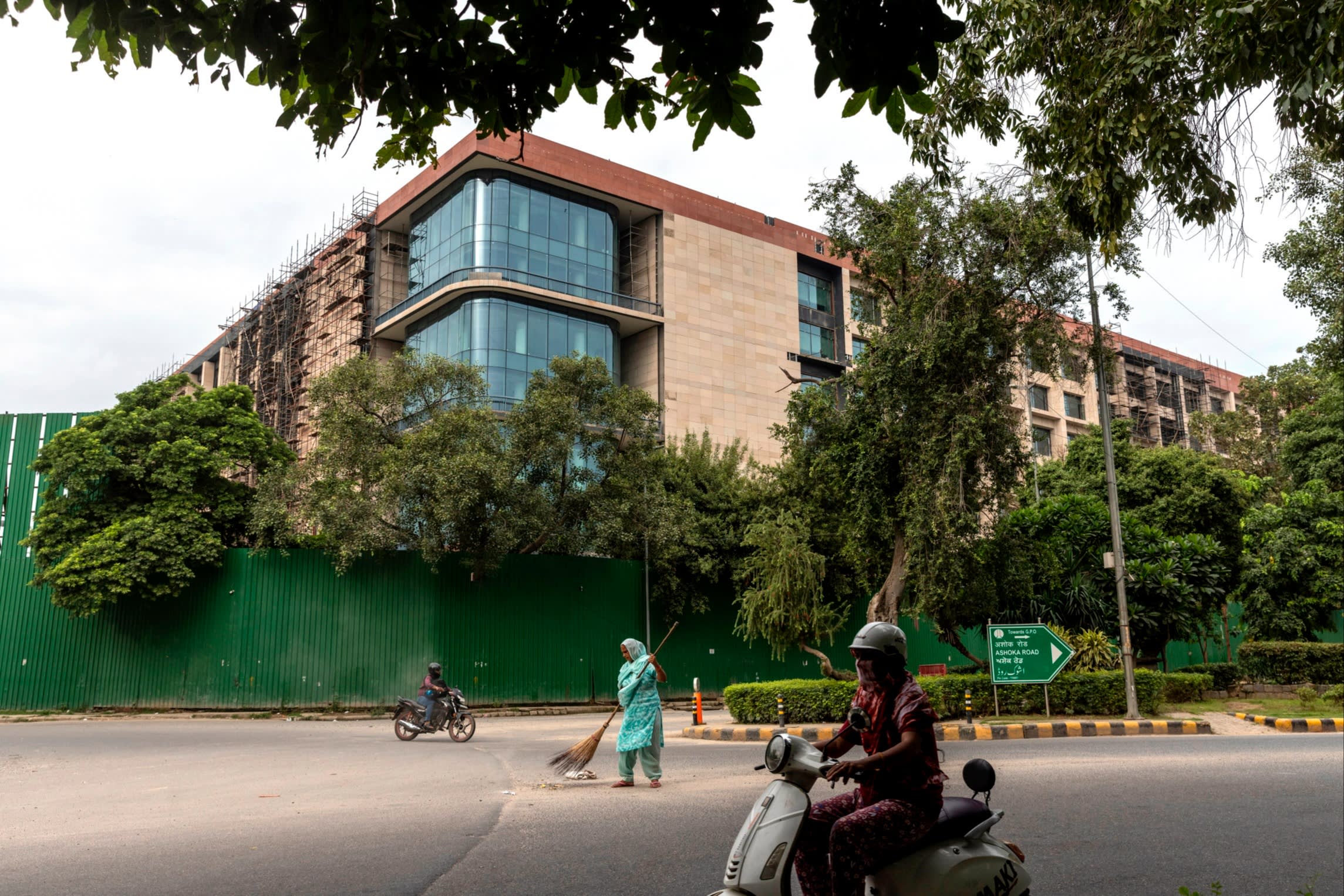
The North and South Blocks, the twin hilltop edifices where the foreign, defence, finance and home ministries are based, this year began decanting bureaucrats into the new buildings, built in the same red and pink sandstone the Mughals, then the British, used. In future the vacated blocks will house a huge museum dedicated to the 5,000-year history of India and its people.
The symbolism of relocating offices downhill from where the Britishers once presided is intentional: Bimal Patel, the architect of the Central Vista master plan, told me that this “symbolises an inversion of the power equation and a deepening of the republic”.
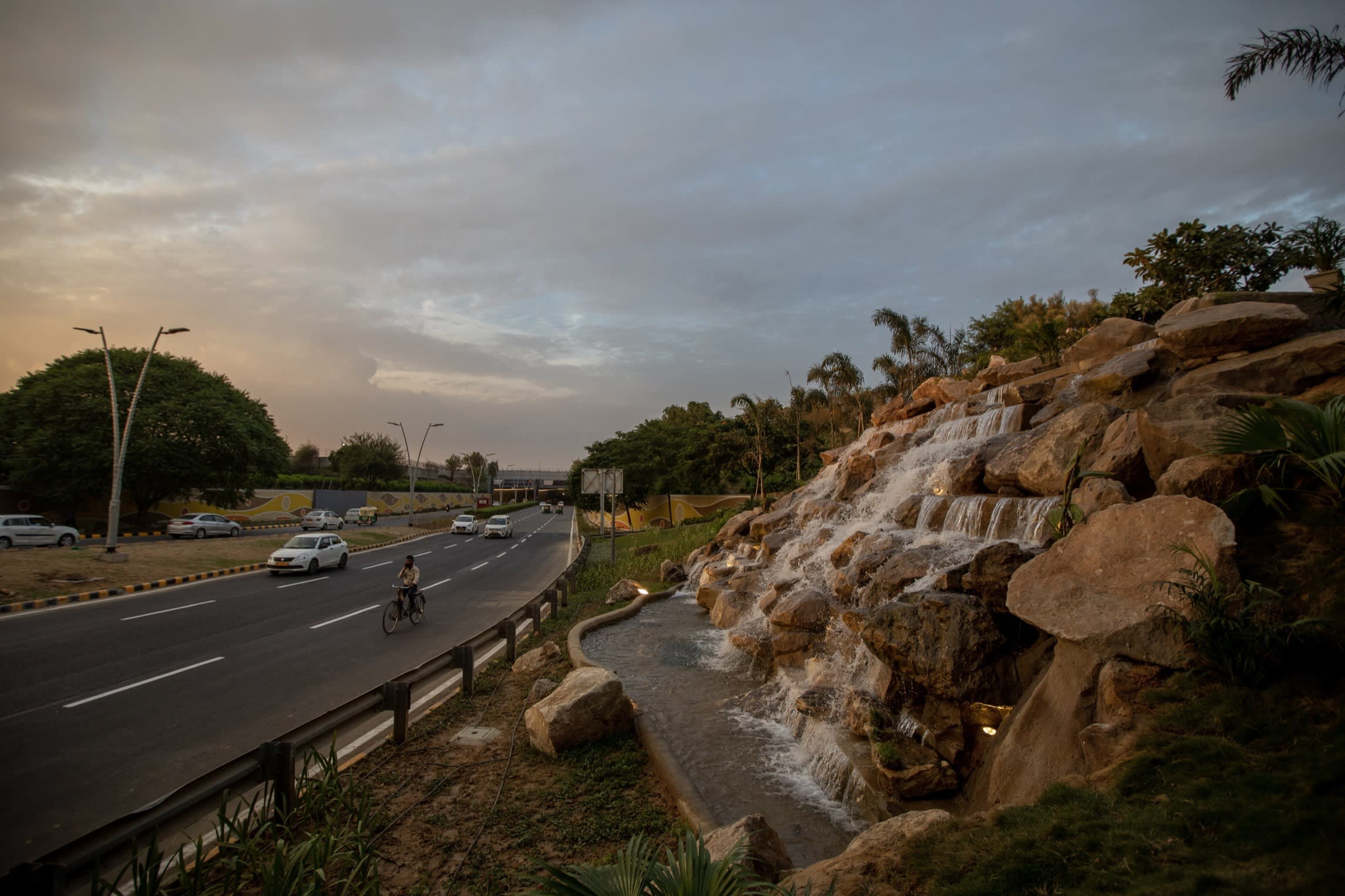
As part of the makeover, the Modi government rechristened Rajpath (“Kingsway”) that runs along the Central Vista Kartavya Path (the “Path of Duty”). The avenue has been remade as a rare pedestrian-friendly place in a city that does not cater to strollers, with underground subways allowing you to avoid crossing the road and tinkling fountains that would have pleased the Mughals. Controversially for some critics of Modi and his government’s downgrading of India’s Muslim past, the Mughal Gardens outside President Murmu’s official residence have been renamed the Amrit Udyan or Garden of Nectar.
Modi has described India’s current moment as Amrit Kaal, a resonant Sanskrit term meaning “Age of Nectar” — less literally a golden age — referring to the opportunities arising from India’s growing economy and global clout.
The centrepiece of Delhi’s makeover is a triangular new parliament building, and it’s a stunner: the Lok Sabha or lower house is a soaring space with Mohandas Gandhi’s spinning wheel, the national symbol, set in wood above the speaker’s podium, and green carpeting and upholstery emblazoned with peacocks, India’s national bird. The Rajya Sabha or upper house is done up in red and the running motif there is the lotus, India’s national flower — and as it happens, the symbol too of Modi’s Bharatiya Janata party (BJP).
“This building is the reflection of the aspirations of 140 crore [1.4bn] people of this nation,” a tour guide told me one recent morning.
Significantly, the lower house chamber has enough space to accommodate 888 MPs, more than its current 543 elected members. After an upcoming census in 2026-27, India is expected to expand its parliament to reflect its growing population for the first time since 1977. Indian MPs represent on average more than 2.5mn people.
Delhi itself is bursting at the seams; its official borders, the national capital region, has about 20mn people. If you count the agglomeration that sprawls into Uttar Pradesh, Haryana and Rajasthan, the number is well over 30mn. For India’s boosters in the Modi government and beyond, its huge reserves of human capital are a source of opportunity as manufacturers — notably Apple and its supplier Foxconn — look for a cheaper and more trustworthy alternative to China.
All these people could, of course, be either a blessing or a curse depending on whether India capitalises on its demographic dividend or misses its moment in history. The data, and abundant anecdotal evidence, show the country still struggles to create enough meaningful jobs for its growing population. And the capital itself struggles with a crisis of affordable housing, power, and clean water.
Away from the leafy precincts of Lutyens’ Delhi (as Indians still call the administrative centre, after imperial architect Sir Edwin Lutyens), this is still a city of poor migrants, thousands of whom arrive looking for livelihoods from the vast catchment of the Indo-Gangetic Plain. Most live in cramped dwellings in under-serviced neighbourhoods on the far side of the Yamuna river on which the Red Fort stands; those of us lucky to live in Lutyens’ Delhi rarely if ever set foot there. During Indian politicians’ periodic bouts of redevelopment, migrants from poor states like Bihar are usually both the ones doing the building and the first to be pushed aside.
“We only talk about how great India is, but we have stopped talking about basic amenities in our popular conversations about the country,” says Neha Dixit, author of The Many Lives of Syeda X, a journalistic account of how the poor of Trans-Yamuna scrape by. “To make Delhi world class, the city has used workers across India, but also displaced workers in places where they tried to beautify.”
When analysing what ails Delhi, you can blame the current or past governments — notably the Indian National Congress, which squandered years of development on Soviet-influenced economic policies or rank corruption. Delhi itself was until February governed by the Aam Aadmi (“Common Man”) left-populist party, which the BJP ousted in a local election after a fraying of public services and the jailing of several AAP leaders in a liquor excise corruption scandal.
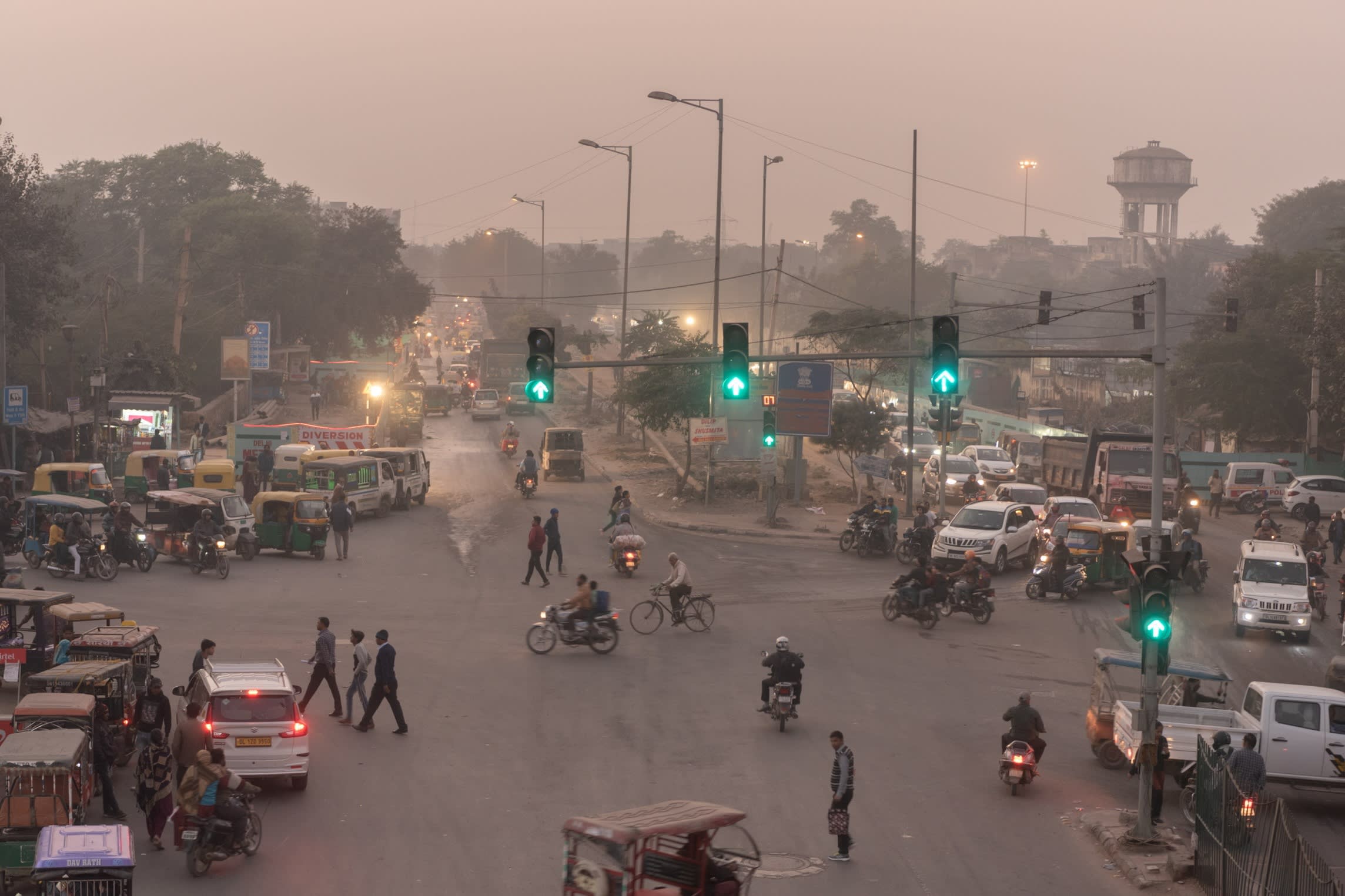
Alternatively, you can choose — as I do — to see the Indian capital, with its seasonally unbearable heat, perennial flooding and struggles over scarce resources, as a window into the future of a world struggling with environmental collapse and other consequences of our poor choices.
“Whatever happens here is going to happen later, even in the developed world,” says Bharati Chaturvedi, an environmentalist and founder of the non-governmental organisation Chintan. “You’ve seen that with heat, you’ve seen that with flooding.”
Delhi’s air pollution is, famously, among the world’s worst, with the city typically at the top of the table of infamy on the app IQAir’s list of the world’s most polluted cities (it’s my driver’s and my favourite topic of small talk).
Some of the worst air comes in November, when the smoke from farmers’ crop stubble blazes in Haryana and Punjab fuses with smog from the brick kilns and rubbish fires of northern India (and Pakistan and as far afield as Afghanistan), gets trapped under cold air and joins Delhi’s own emissions to create a soupy, grey-yellow haze.
The city’s wealthy retreat to homes equipped with air purifiers or fly for a breather (literally) to a beach in southern India, where air is cleaner. The same principle applies in summer, when temperatures approach 50C in May and June and only the well-off can rely on the comfort of air conditioning.
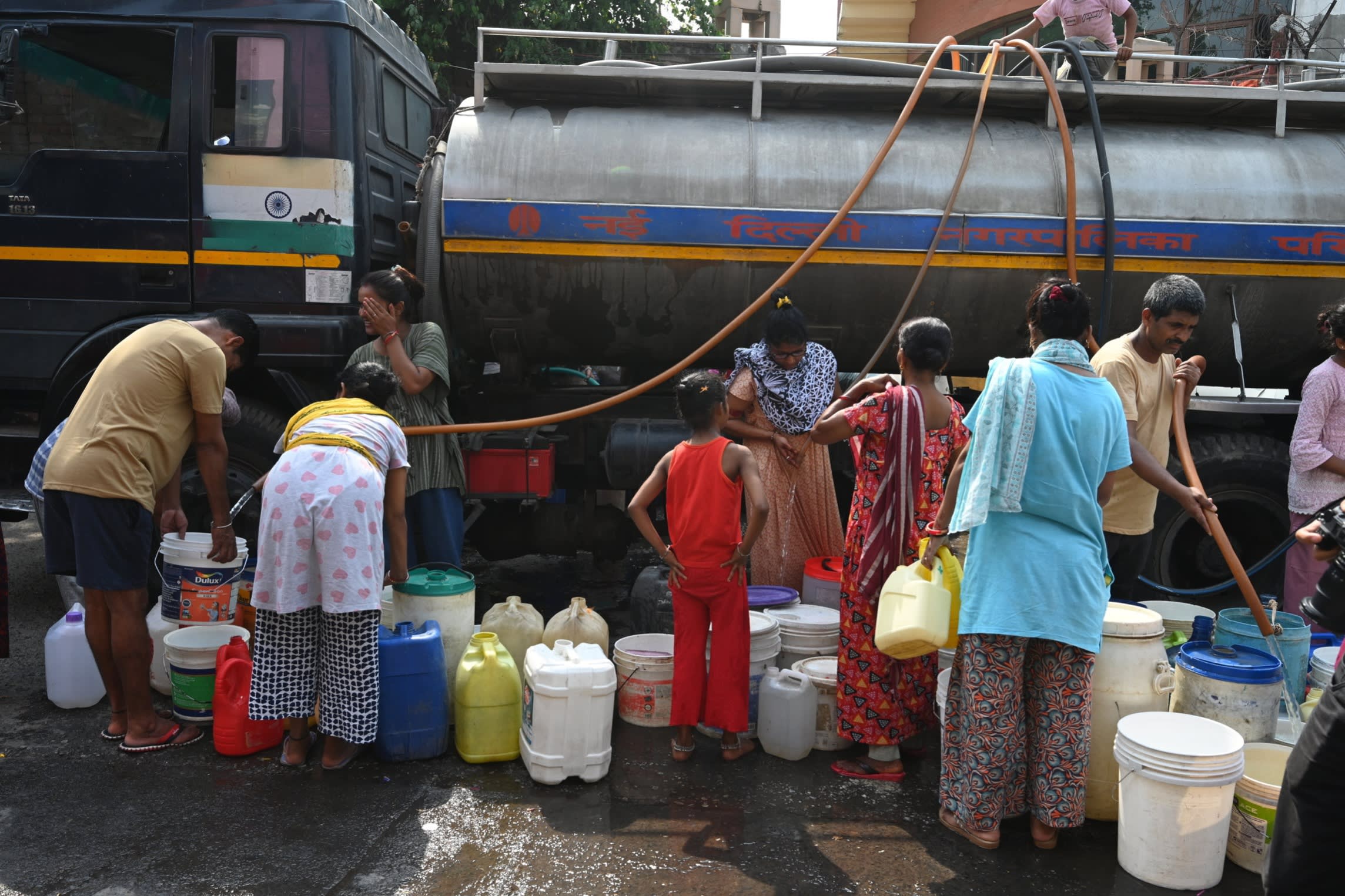
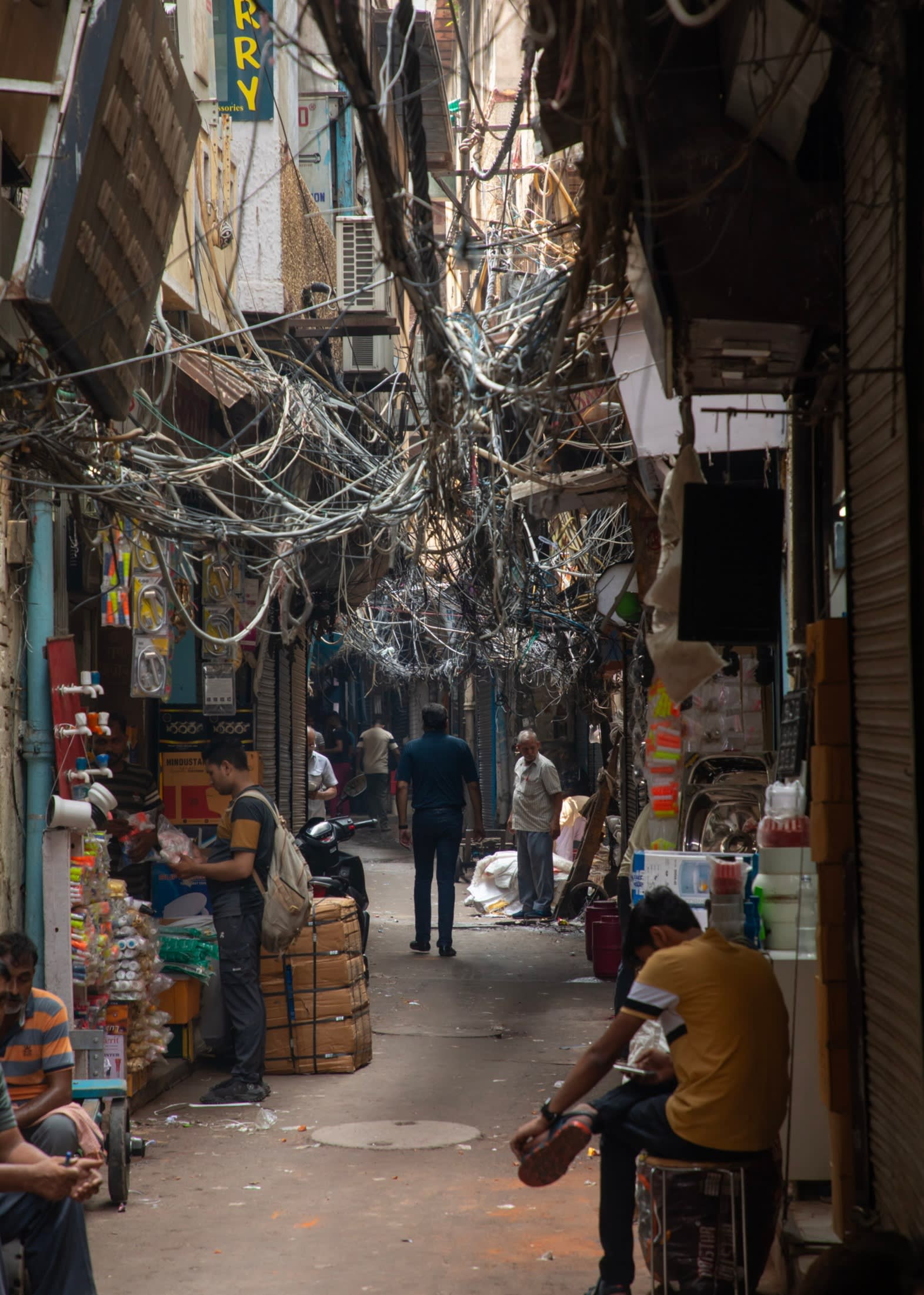
The poor have their own coping mechanisms: in slum neighbourhoods without reliable water, they tote blue plastic drums to visiting tanker trucks. If their houses lack power, they turn to a kundi (hook) to clip on to main power lines, a practice that is both dangerous and illegal.
Since taking power, the new BJP government in the capital region has taken steps to address crises in water management and other areas. But Delhi’s poorest are usually the first to be pushed aside.
On the eve of the G20 summit in September 2023, when Modi was hosting world leaders in the capital, my colleague Jyotsna Singh interviewed residents of a roadside slum who were raising tarpaulins to hide their shanties, which they feared would be demolished for the big event.
But you can’t really live in a bubble in Delhi. The best time to observe this is in summer, when demand for air conditioning overwhelms the grid and blackouts are frequent, even in my posh corner of Lutyens. Then, from about July, come the monsoon rains that show up the planners’ failings in building resilient infrastructure by transforming streets into rivers.
When the satellite city of Gurugram (sometimes called Gurgaon), Haryana, experienced a record 133mm of rain over a 12-hour period last month, some of its well-off residents took to social media, joking about “Venice vibes”. “Who buys Rs10 crore ($12mn) flat in Gurgaon without even looking at the basic infrastructure?” one man on X asked.
Another said: “Interestingly while swanky street lamps have been installed drainage failed to find a place on (the) priority list”. If anyone in Delhi is looking askance at the money being spent revamping the Central Vista, I won’t take issue and I won’t wonder why.
Find out about our latest stories first — follow FT Weekend on Instagram, Bluesky and X, and sign up to receive the FT Weekend newsletter every Saturday morning