Time for China to get serious about its methane emissions

CHINA IS OFTEN criticised for its emissions of carbon dioxide, which dwarf those of other countries. By way of defence, Chinese leaders can at least point to their official goal of having those emissions peak by 2030. But China is also the world’s biggest emitter of methane, another greenhouse gas. It produces about 14% of global emissions each year. When it comes to methane, Chinese leaders have less to say in their defence. They are just starting to grapple with the problem. The Economist

In China’s “median city” people are surprisingly risk-averse

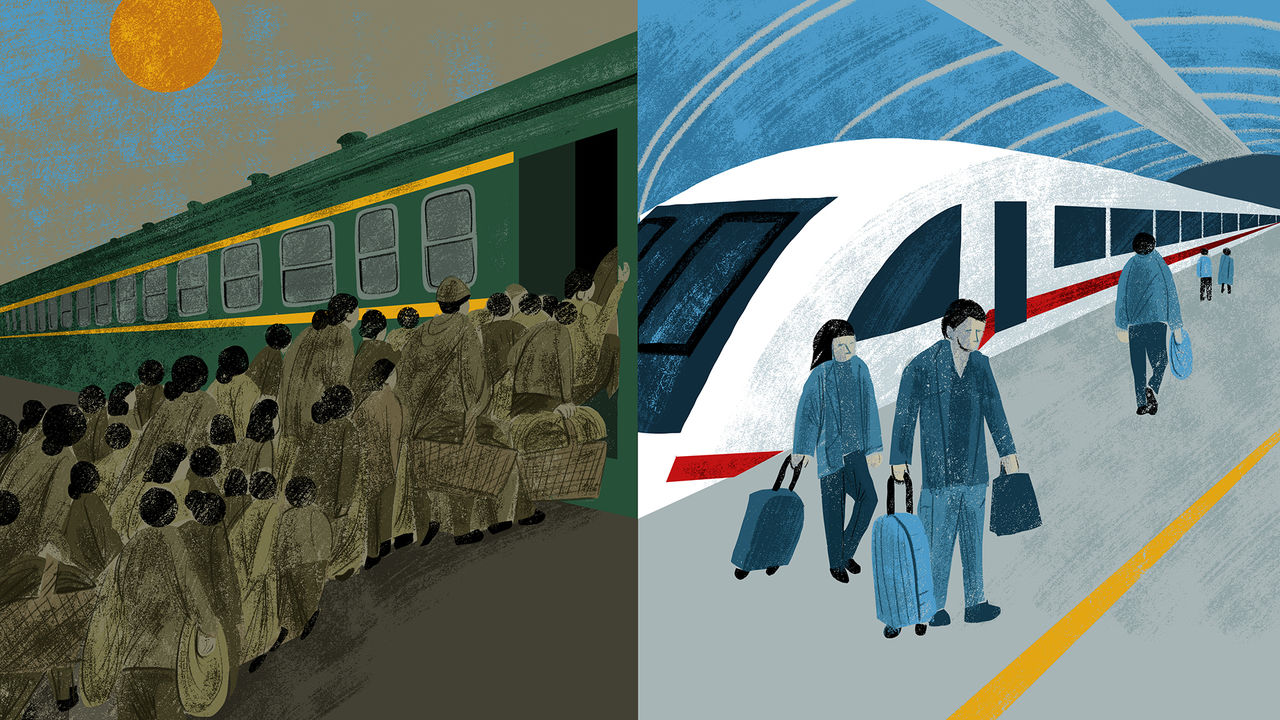
OVER RECENT decades, individual Chinese dreams reshaped the world. The largest manufacturing power on Earth emerged, in part, because hundreds of millions of rural men and women left behind families and villages to toil in coastal boomtowns. Behind dry graphs showing steep growth rates lurked stories of the human heart. Generations raised amid Maoist conformity reinvented themselves as entrepreneurs and risk-takers. The Economist

China’s rulers are surprised by Kamala Harris and Tim Walz

Chinese officials and analysts are struggling. A woman who has never visited China and who has only briefly met its leader, Xi Jinping, has suddenly emerged as a serious contender in the race for the White House. The Democratic Party gathered from August 19th to 22nd to celebrate the nomination of Kamala Harris as its presidential candidate and her selection of Tim Walz as her running-mate. For China’s rulers the ascent of the Harris-Walz ticket creates two difficulties. It challenges China’s nihilistic interpretation of American politics as racist and decrepit.…

Colin Huang, China’s richest man

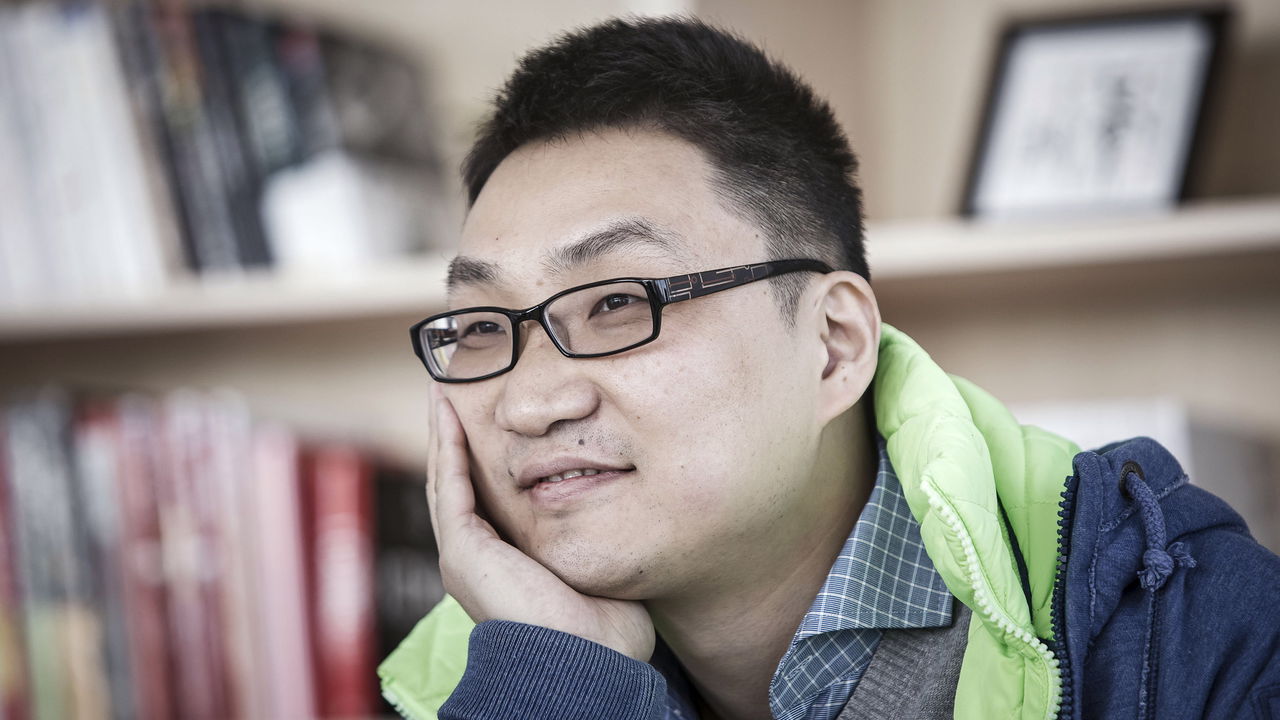
America’s super-rich are rarely quiet types. Just this week, for example, its richest man, Elon Musk, used his platform, X,  to promote himself and another noisy billionaire, Donald Trump. China’s wealthiest are more tight-lipped. When Colin Huang, founder of Pinduoduo, an e-commerce site, this month displaced a bottled-water tycoon to become China’s richest man, his public reaction was typical: utter silence. He has thrived while toeing the party line and keeping quiet. The Economist

China’s wealthy elite rigs its university arms race

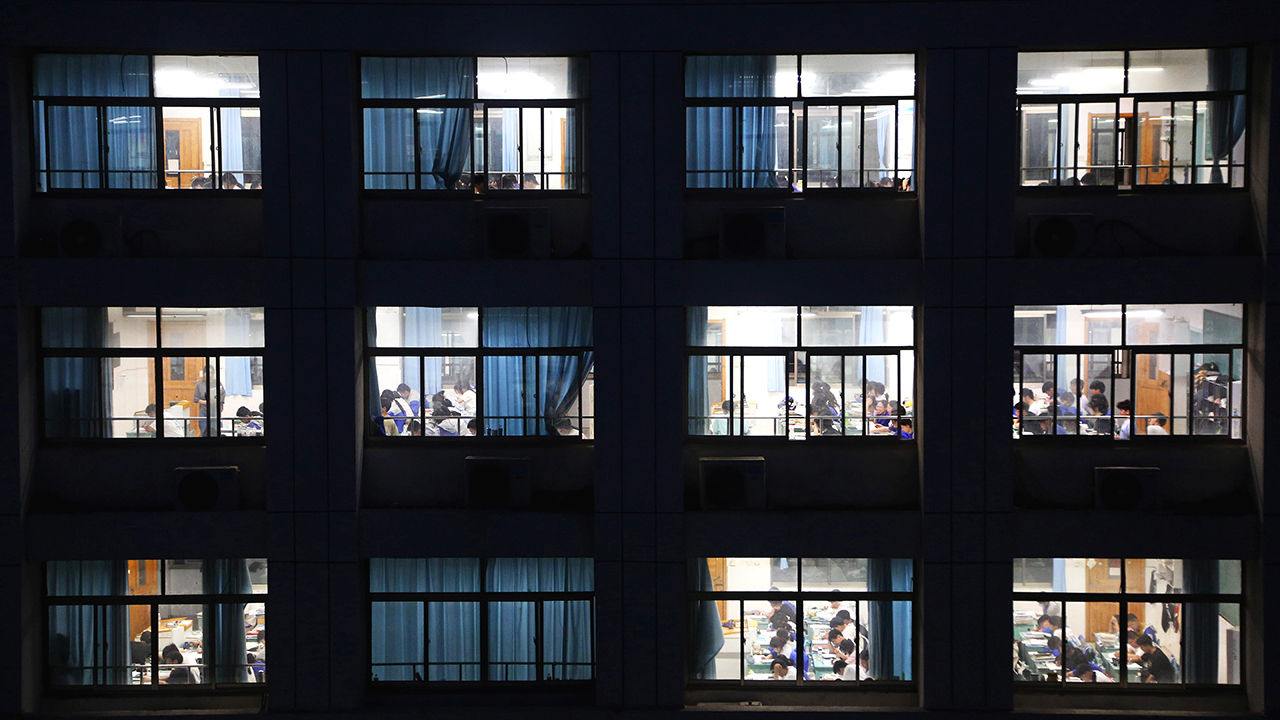
IN CHINA’S TOP-GROSSING summer film, “Successor”, a rich businessman seeks to motivate his son by raising him in poverty. Young Jiye believes his family is truly poor. He is told to “change his fate” by studying hard and doing well in China’s university-entrance exam, known as the gaokao. But just in case, his father also hires undercover tutors. Fake street peddlers test Jiye’s English. The neighbourhood butcher gives him maths puzzles. A tutor posing as the family’s grandmother tells the boy that her dying wish is for him to study…

A gruesome corpse scandal sparks outrage in China

“WHEN A PROPER respect towards the dead is shown at the end and continued after they are far away, the moral force of a people has reached its highest point.” That precept appears in the “Analects”, a collection of sayings attributed to Confucius. What, then, to make of the news that from 2015 to 2023 a Chinese crime ring stole, dismembered and sold more than 4,000 corpses for use in manufacturing bone grafts? The Economist

How China thrives in a world of turmoil

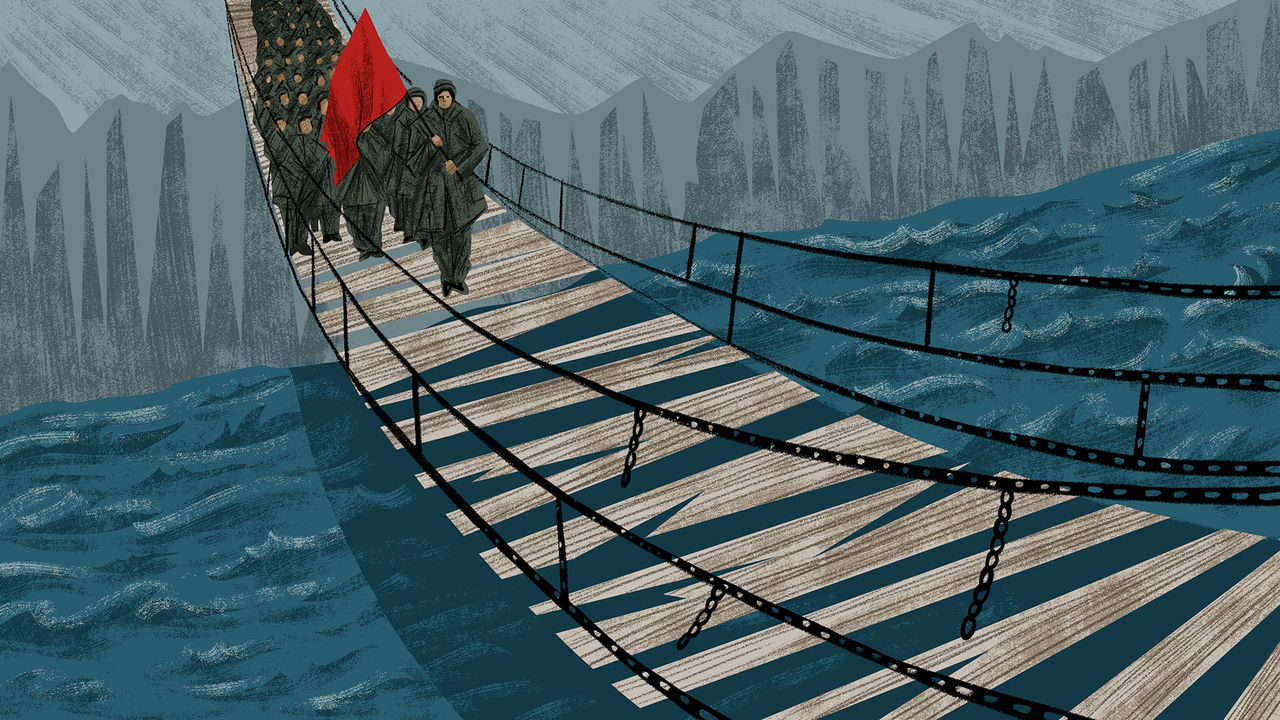
Listen to this story Your browser does not support the <audio> element. MODERN CHINA is a superpower with its roots in a guerrilla army. This helps explain its self-interested responses to crises, including the turmoil now raging in the Middle East. To hear America and other long-established powers tell it, China has unique influence over that region’s worst agents of disorder, starting with Iran, and an unusual need for stability in the Middle East. China is the world’s largest importer of both oil and liquefied natural gas, buying vast quantities…

China Maritime Report No. 40: Onboard Political Control – The Ship Political Commissar in Chinese Merchant Shipping

Since the creation of the People’s Republic of China’s merchant fleet, the Chinese Communist Party has implemented a system of political control aboard oceangoing vessels through ship Party branches and ship political commissars. This report focuses on the ship political commissar, a Party representative assigned to oceangoing merchant ships, particularly within state-owned shipping enterprises, to carry out political and administrative work in the management of ship crews. Having peaked in authority and power during the Cultural Revolution, the ship political commissar position has evolved over the decades following economic reforms…

China’s new plan for tracking people online

Netizens in China cannot post a comment on Weibo, a social-media service, or buy something on Pinduoduo, an e-commerce site, without first using their national ID or phone number to register with such platforms. That allows the services and, more important, the government to keep tabs on what people are doing online. It helps the authorities to combat such scourges as cyber-bullying—or to find people who criticise China’s ruler, Xi Jinping. Internet firms use the consumer data for their own financial gain. The Economist

One way to turbocharge the Chinese economy

China’s “reform and opening” policy began more than four decades ago in the countryside. It involved dismantling Mao Zedong’s disastrous “people’s communes” and giving farmers their own plots of land to tend. Food production soared, as did farmers’ incomes. Now some Chinese leaders want to disentangle rural property from a web of Mao-era restraints on ownership and let villagers enjoy another boom. The impact could be as far-reaching as those changes in the 1980s. But this time officials are proceeding more gingerly. The Economist