When I was little, mum used to take us to visit an elderly Uyghur couple every year. We would climb up the winding concrete stairs in a Soviet-era apartment block and be greeted with a warmth that felt like family. Over piping hot bowls of Uyghur chay, mum would talk to them for hours while my brother and I listened. I always assumed they were relatives of ours, until mum told me that they were the parents of her friend Örkesh Dölet, and they had not seen their son for…
Tag: Uyghurs
Exiled pro-democracy activist on being Uyghur during Tiananmen Square protests – video
In 1989, a young Uyghur named Örkesh Dölet was a student leader in the Tiananmen Square protests. Throughout the protests, Dölet represented students in televised negotiations with Chinese Communist Party leaders. After the massacre, the 21-year-old was put on China’s list of most wanted student leaders and so he fled the country. He now lives in exile in Taiwan. ‘For every important choices I make in my life, my Uyghur-ness has always came in and played an important role,’ he says. ‘That we do the right thing, not the safe…
Ed Miliband bows to pressure with ban on solar panels linked to Chinese slavery
Ed Miliband will ban the UK’s national energy company from investing in projects that use solar panels linked to Chinese slave labour after bowing to pressure from Labour and Conservative MPs. The energy secretary has dropped his previous resistance to rewriting the bill establishing Great British Energy and will now introduce an amendment that forces the company to make sure there is no slavery or human trafficking in its supply chain. The decision, which was first reported by the Times, was welcomed by MPs and campaigners seeking to highlight Chinese…
Fate of 8 Uyghurs in Thailand in limbo after 40 deported to China
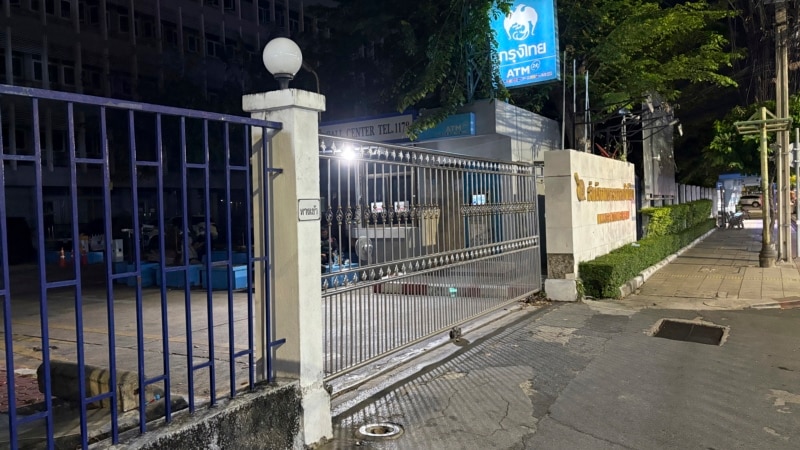
BANGKOK — Human rights advocates say at least some of the eight ethnic minority Uyghurs who remain in Thailand’s custody since authorities deported 40 others to China last month are at risk of the same fate. After weeks of denying it was planning to repatriate any of the 48 Chinese Uyghurs it had held since arresting them for illegal entry in 2014, Thailand abruptly turned 40 of them over to China on Feb. 27. The United States, United Nations and international rights groups strongly condemned Thailand for sending Uyghurs back…
Fashion retailer faces boycott amid allegations of Uyghur forced labor in China
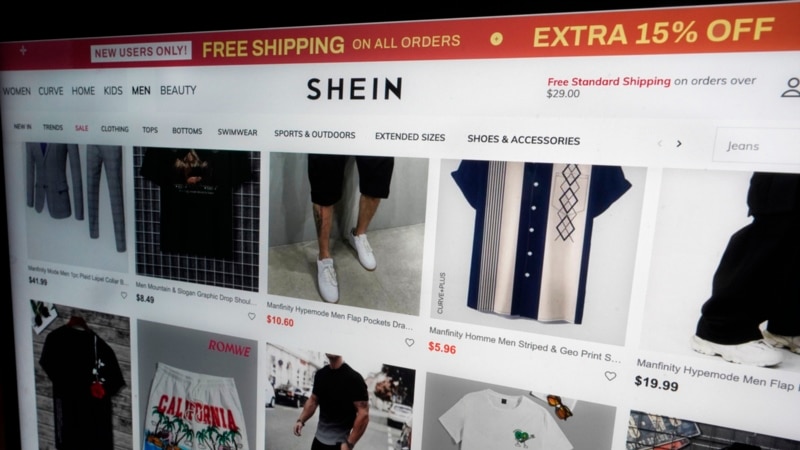
washington — Chinese online fast-fashion retailer Shein, known for its affordable clothing globally, has become a target of a boycott campaign. As Muslims worldwide celebrate Eid al-Fitr, the end of the holy month of Ramadan, Chicago-based human rights organization Justice for All has called on Muslim women to boycott Shein, alleging it is involved in the forced labor of Uyghur Muslims in China. The rights group said last week on the social media platform X: A jilbab is a full-length, loose-fitting, head-to-toe garment worn by some Muslim women that also…
Central Asia leaders overlook plight of Uyghurs to woo China
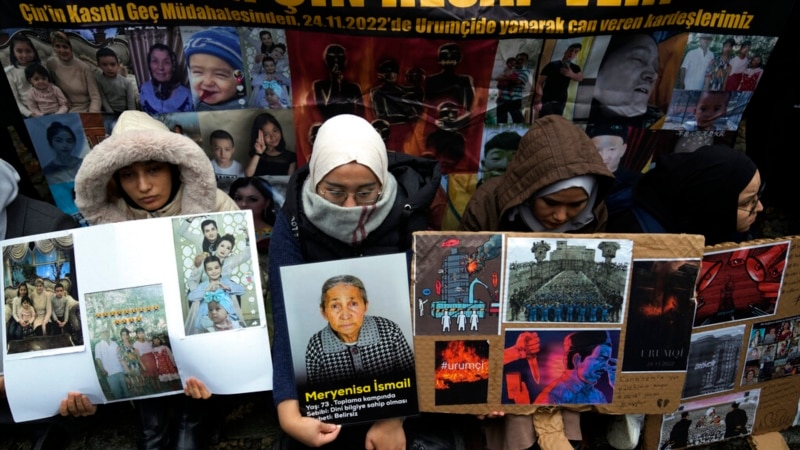
washington — Any resentment among Central Asian leaders over China’s treatment of its Uyghur minority was swept aside during recent tours of the region by the chairman of the Xinjiang Uyghur Autonomous Region and the Chinese minister of public security. The warm welcome given the Chinese officials reflects the region’s growing economic ties with Beijing and its uneasiness with Russia — the region’s longtime guarantor against domestic rebellion — as that country struggles on the battlefield in Ukraine. Fears that Moscow’s territorial ambitions may extend to other former Soviet republics…
World Uyghur Congress Leader Discusses Time in China, Uyghur-Han Chinese Tension
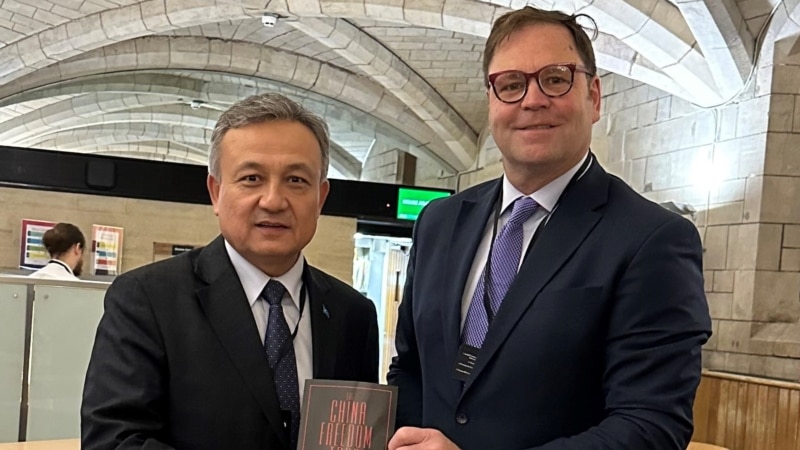
As head of the World Uyghur Congress, Dolkun Isa runs one of the most prominent organizations in the world advocating for the rights of Uyghurs. In his recently released book, The China Freedom Trap, subtitled My Life on the Run, Isa recounts key events that have dotted his journey and time since he left China in 1994. To learn more about what it was like for him in China, VOA’s Natalie Liu spoke to Isa on the sidelines of a Washington event held by the U.S. National Endowment for Democracy…
World’s Largest Drone Maker Expands in US Amid Rights Abuse Allegations
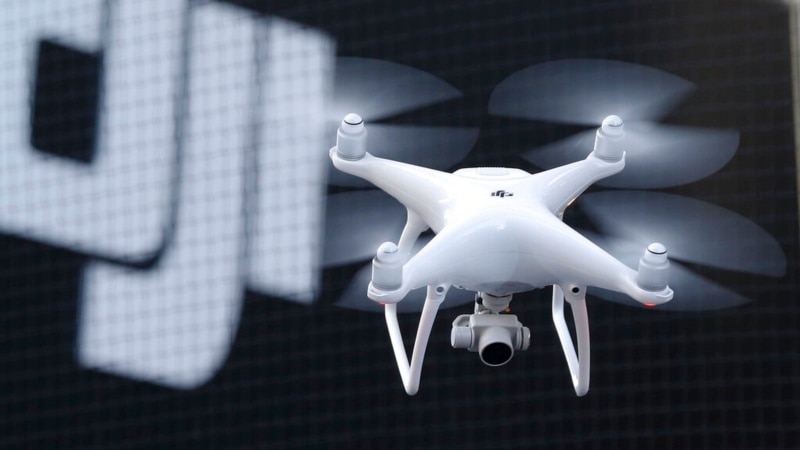
washington — Chinese drone maker DJI is expanding in the U.S. with its first flagship store in New York City amid allegations of links to human rights abuses and ties to China’s military. DJI’s “first concept” North American store on New York’s Fifth Avenue welcomes customers into a futuristic, minimalist space to shop. The company describes itself on its website as “the world’s leader in civil drones and creative camera technology.” “We continue to see growing consumer demand throughout North America as we expand our consumer product portfolio,” said Christina…
China’s Inviting Sympathetic Foreign Media to Xinjiang Can Backfire
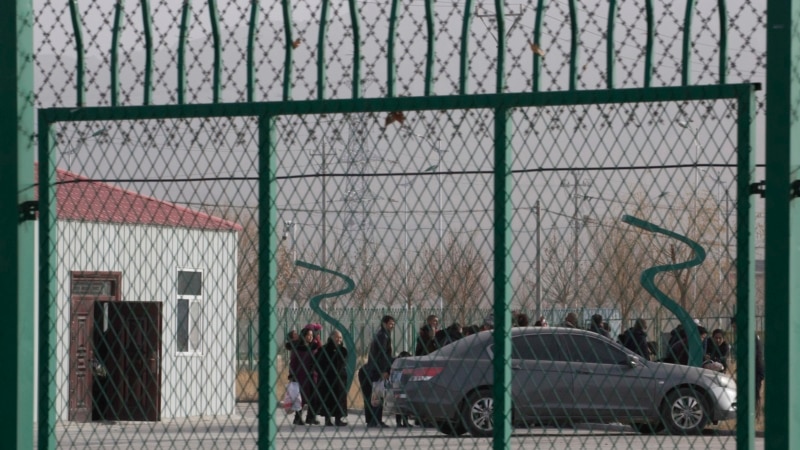
hong kong — Albanian Canadian scholar Olsi Jazexhi seemed to be the perfect foreign writer for the Chinese government to invite to Xinjiang, its westernmost province and home to the ethnic Uyghur Muslim minority so mistreated by Beijing that its critics have called it cultural genocide. “My initial intention was to visit Xinjiang myself to investigate and to prove the West wrong,” Jazexhi tells VOA. During an interview for a journalist visa at the Chinese Embassy in Tirana, Albania, in 2019, he says he told the consular official, “I want…
Genetics journal retracts 17 papers from China due to human rights concerns
A genetics journal from a leading scientific publisher has retracted 17 papers from China, in what is thought to be the biggest mass retraction of academic research due to concerns about human rights. The articles were published in Molecular Genetics & Genomic Medicine (MGGM), a genetics journal published by the US academic publishing company Wiley. The papers were retracted on 12 February after an agreement between the journal’s editor in chief, Suzanne Hart, and the publishing company. In a review process that took over two years, investigators found “inconsistencies” between…