Newly released data by Chinese customs showed imports from Iran plunged 48 per cent year on year last month, while exports to the country dropped 90 per cent.
Advertisement
Across the broader Middle East, exports to eight Persian Gulf economies – including Saudi Arabia and Qatar – fell by 57 per cent, while imports declined by nearly 33 per cent.
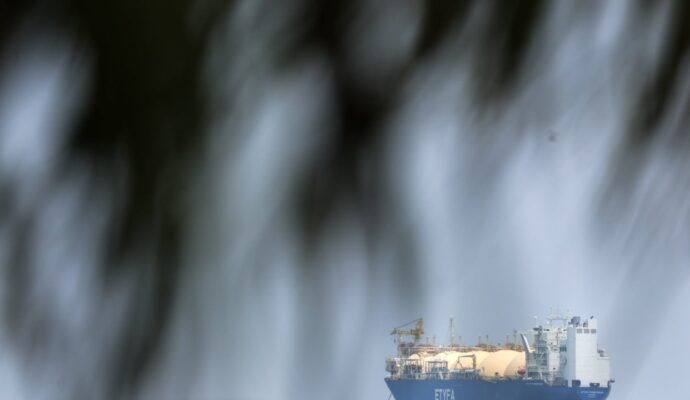
The disruption stems largely from the effective closure of the Strait of Hormuz – a narrow waterway that handles about 20 per cent of global oil. This curtailed crude flows, contributing to a 25 per cent year-on-year drop in China’s oil imports from Gulf countries in March.
“The Strait of Hormuz has long been recognised as a global chokepoint, but it was not until this conflict that we realised how vulnerable it really is,” said Alfredo Montufar-Helu, managing director at Ankura China Advisors.
04:04
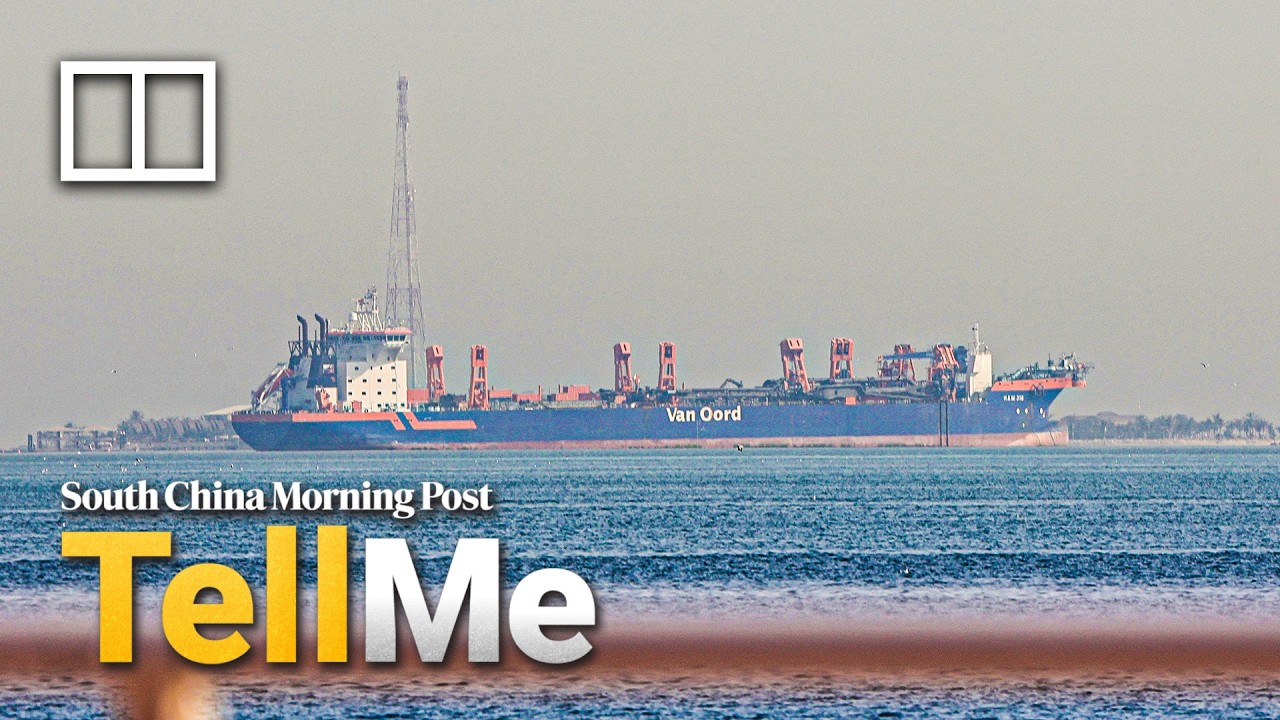
How US-Israeli strikes on Iran are sending shock waves through global energy markets
How US-Israeli strikes on Iran are sending shock waves through global energy markets
“The strait is no longer just a significant transit route for global energy markets, it is now a permanent geopolitical lever,” he said, adding that even a ceasefire was unlikely to remove the security premium in energy and maritime insurance costs amid continued risks.
Advertisement