For Zhang Kai, a pioneering scientist who is building an ultra-large-scale cellular structure group data bank with unprecedented precision, returning home to China was the natural choice to fulfil his ambition.
“In the United States, it is almost impossible for a Chinese scholar to take the lead on this project,” Zhang said during a March 26 interview with China Science Daily, the official newspaper of the Chinese Academy of Sciences (CAS), the country’s most prestigious research institution.
On January 12, Zhang resigned from his tenure-track position at Yale University and officially joined the School of Life Sciences and Medicine at the University of Science and Technology of China (USTC) in Hefei, Anhui province.
Advertisement
A month later, a paper for which he was the corresponding author was published in the prestigious journal Nature. It reported a breakthrough in his research field: high-resolution electron microscopy imaging and analysis technology.
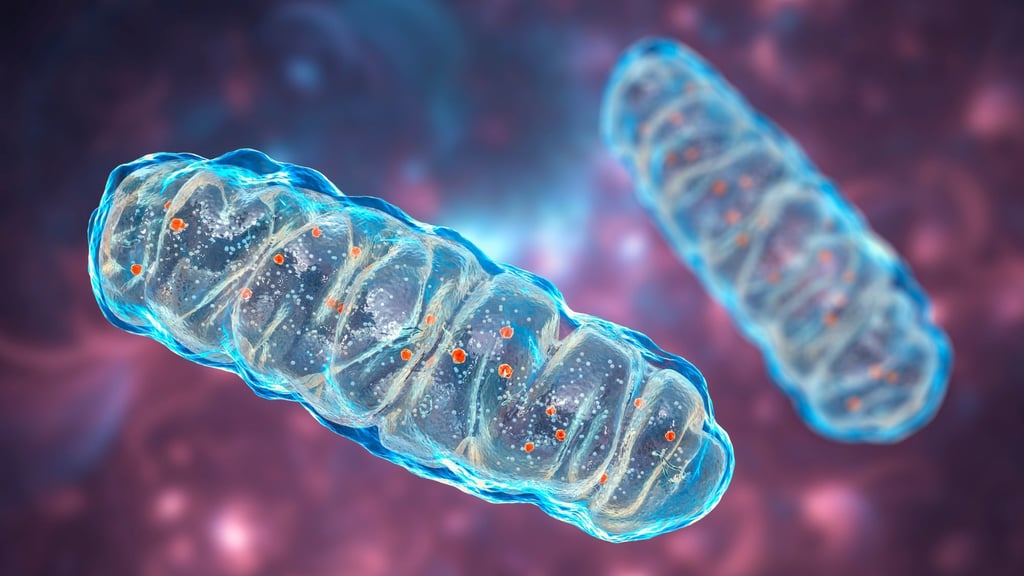
This research is widely seen as essential for understanding life, developing new diagnostic and therapeutic technologies, and improving health management.
Advertisement