Iran’s power structure, succession mechanism and geographic conditions are all factors in its military resilience, despite the decapitation of its leadership by the US and Israel, according to Chinese experts.
They also said the United States was unlikely to achieve regime change in Iran without deploying ground forces, a lesson one expert argued Beijing would take into account for any operation on Taiwan.
Advertisement
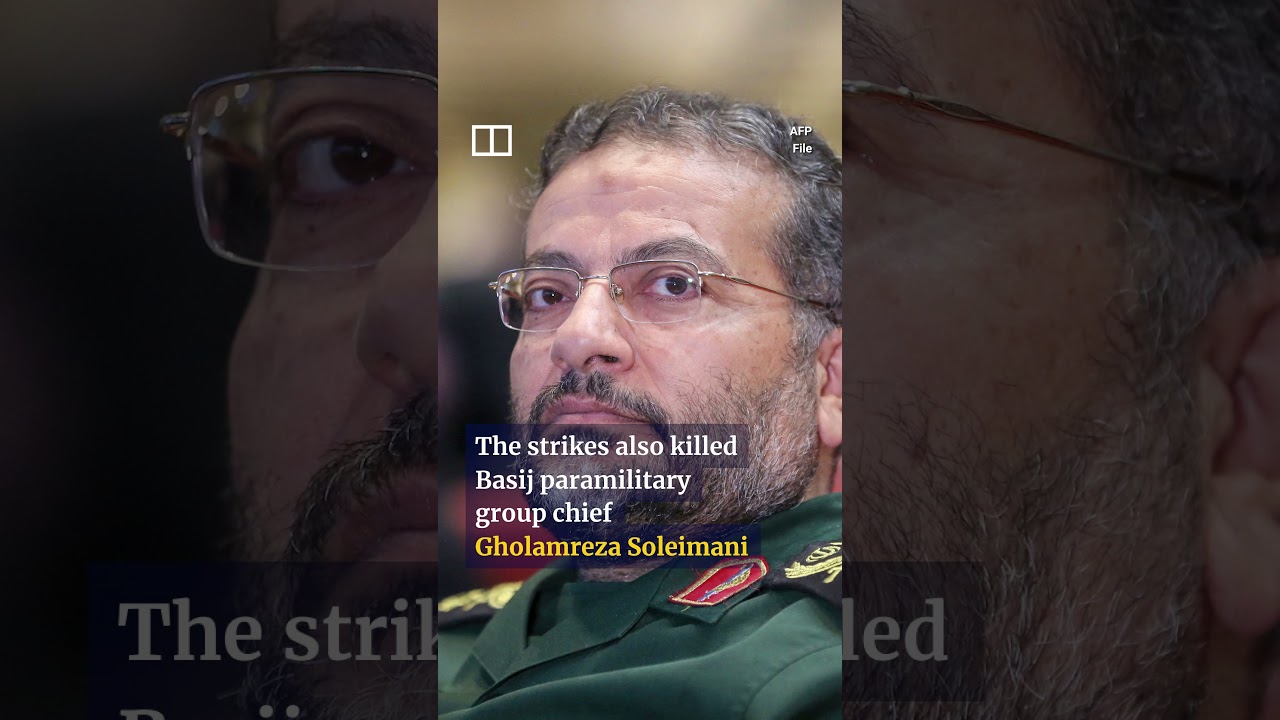
The campaign has eliminated Iran’s supreme leader, Ayatollah Ali Khamenei; Islamic Revolutionary Guard Corps commander Mohammad Pakpour; army chief of staff Abdolrahim Mousavi; defence minister Aziz Nasirzadeh and, in an Israeli air strike on Tuesday, national security chief Ali Larijani.
00:52
Iran vows retaliation for death of country’s security chief Ali Larijani
Iran vows retaliation for death of country’s security chief Ali Larijani
However, unlike the US’ earlier decapitation operation in Venezuela, which then gave in to Washington, Iranian forces have stayed in the fight, launching retaliatory drone and missile attacks against Israeli and US military bases in the Middle East as well as other targets.
Advertisement
How long the US-Israel air strikes last remains a subject of intense debate, with US President Donald Trump sending out mixed signals.