Over the past 12 months, a series of political and military crises has erupted in different parts of the world. Do they have anything in common?
On the surface, the dramas in Iran, Panama, Venezuela and Greenland look separate, each with its own cast, excuse and headlines. What links them is not ideology, or the public language used to sell each move. It is the map.
Iran sits beside the Strait of Hormuz, the choke point for Gulf energy flows. Panama sits astride one of the world’s trade arteries. Venezuela matters because it sells heavy crude oil. Greenland matters because the Arctic is opening up as a route and military zone.
Advertisement
Put those points together and a harder question comes into view. Are we watching a run of unrelated crises or a contest over routes, ports, oil and access?
Start with the immediate results. China is losing room to manoeuvre in two oil markets that mattered to it, Venezuela and Iran. Freight risk has gone up across Asia. Insurance costs have risen. Russia has more room to sell crude oil to China. Those are not abstract outcomes. They are real costs, felt now.
Advertisement
The effect is not confined to China. It falls across Asia because this is where the trade shock and the energy shock meet. The region remains a manufacturing base and a destination for Gulf oil. When routes tighten, Asia pays twice: once through freight and once through fuel.
04:04
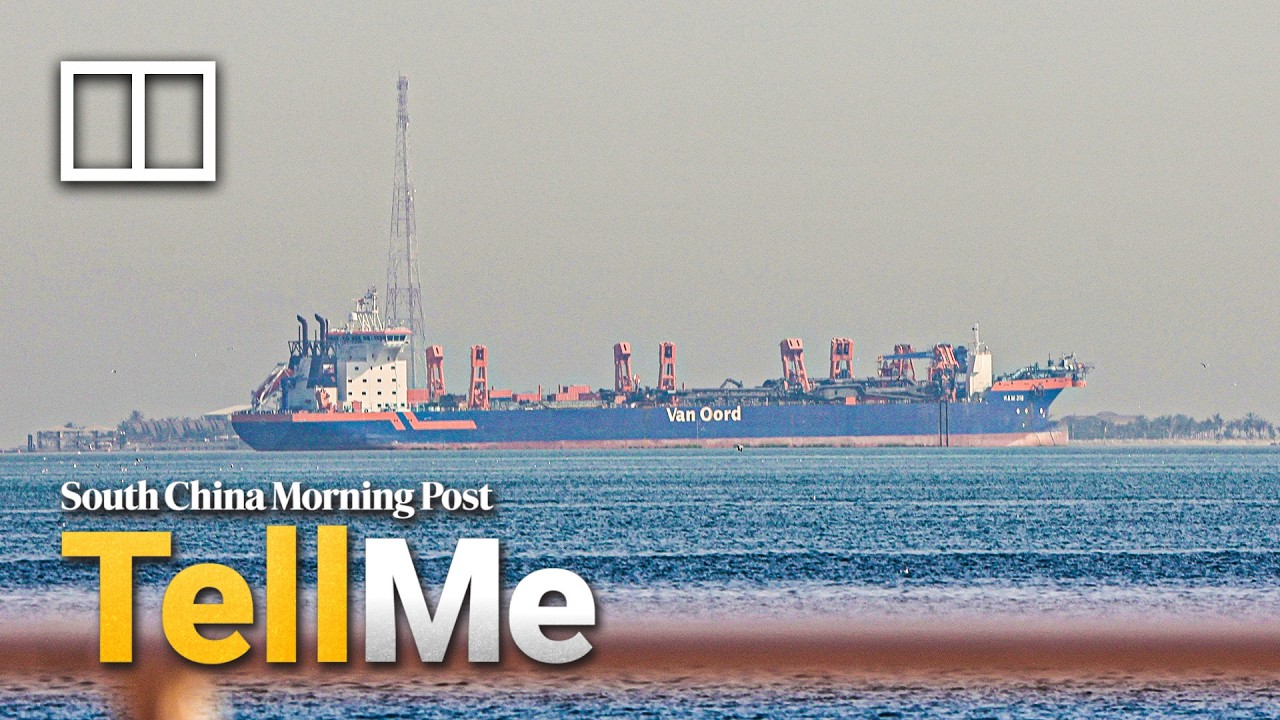
How US-Israeli strikes on Iran are sending shock waves through global energy markets
How US-Israeli strikes on Iran are sending shock waves through global energy markets