A showdown between the world’s most prominent activist investor and biggest carmaker over a ¥5.4tn ($35bn) take-private deal is hurtling towards a conclusion that could have far-reaching implications for Japanese companies and their global investors.
Elliott Management, which has waged high-profile campaigns against BHP and Starbucks, has been locked in a months-long battle with Toyota Motor. The New York-based fund founded by Paul Singer, with $80bn under management, is pressing Akio Toyoda’s group to increase its offer price to take its largest subsidiary private.
But Toyoda, who has invested ¥1bn of his own money into the privatisation, and the carmaker have resisted. While Toyota Motor, which has a market capitalisation of $380bn, has raised the price for its subsidiary Toyota Industries by 15 per cent, it has stuck by an offer of ¥18,800 a share, a figure that Elliott contends is still not enough.
What happens next — whether Toyota raises its offer price, the deal goes through or it collapses — could force Japanese companies to think harder about price to avoid a public fight and embolden other activists trying to force better offers.
As activist activity has exploded in the country, similar battles are playing out at smaller companies. Oasis, another activist fund, is entangled in a fight for control of Kusuri no Aoki, a drugstore chain dating back to the 19th century. Effissimo Capital Management launched a successful counter-offer after the founding family of car-products company Soft99 attempted a management buyout.
“Everyone is looking at this situation and taking notes,” said an investor at a smaller activist fund in Japan. “Elliott might be unique in its size, but we are taking a lot of lessons from what they are doing.”
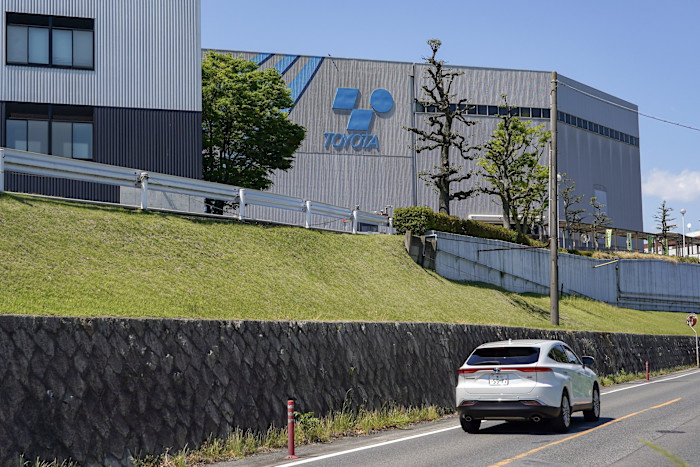
Toyota Motor unveiled its bid to take Toyota Industries, a key parts supplier and forklift maker, private last June. The buyout would unwind one of the group’s biggest crossholdings, an out-of-favour ownership model in which companies own shares in each other and that has been the target of corporate governance reform efforts.
The proposal was praised for seeking to undo crossholdings, which can lead to abuses of minority shareholder rights, and for setting the tone for the rest of corporate Japan. But it also attracted criticism from investors and corporate governance experts for its low offer and opaque valuation methods.
Critics said Toyoda stood to personally gain from the transaction, while supporters suggested the move was meant to protect Toyota Industries from activist pursuits.
In November, Elliott revealed a stake in Toyota Industries that has since grown to more than 7 per cent. Toyota then raised its offer, but it remains below Toyota Industries’ share price of ¥20,240, meaning shareholders can get better returns selling in the market. A deadline of February 12 passed with Toyota failing to secure the two-thirds of shares needed to take the company private.
“If one excludes the estimated longtime financial crossholders and the corporate crossholders, only 5 to 10 per cent of [minority shareholders] actually tendered their shares by the deadline,” said Travis Lundy, an independent special situations analyst.
Investors now have until Monday to tender their shares, but with the offer unchanged they have little incentive to do so. Elliott and other activists have made offers for specific stakes at higher levels than the tender.
Elliott has said closer to ¥26,000 is a fairer price and criticised the special committee set up by Toyota Industries to evaluate the offer for eventually recommending the deal to shareholders.
People familiar with the special committee’s thinking hit back, arguing that any criticism had to take into account where shares were before news of the offer broke last year.
They and some investors have argued that the market price might be inflated by expectations that Elliott will launch its own tender for some or part of the company at a higher price, something people close to the fund admit is unlikely.
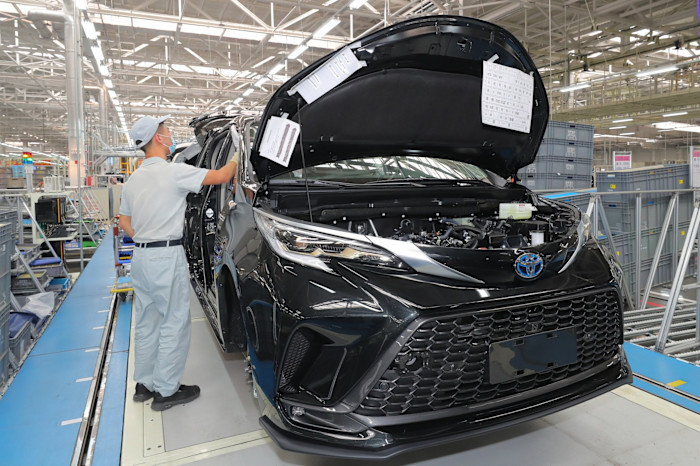
At close to $3bn as of January according to public filings, the Toyota Industries stake is one of Elliott’s biggest positions, though the figure could be larger as it does not include exposure through derivatives. Gordon Singer, Elliott’s co-managing partner, is directly involved and being briefed multiple times a week, said people close to the firm.
In its pursuit, Elliott has gone more public and been more aggressive with Toyota Industries than in previous Japan campaigns. A person close to the fund said it did not intend “to make a big statement” when it waded into the deal, but it had “become a fight that was important for minority shareholder rights”.
Elliott has released a standalone plan for Toyota Industries that it claims could boost longer-term value to more than ¥40,000 a share and conducted briefings with proxy advisers, which it did not do in previous campaigns against SoftBank Group, Toshiba and Tokyo Gas.
In a letter to shareholders in January, it said a successful tender at Toyota’s current offer price would “result in a substantial and potentially irreversible setback for Japan’s corporate governance reforms”.
If Elliott fails to get a price boost or the deal falls apart, the fund could exit or wage a more protracted fight to reshape strategy at Toyota.
Investors have long clamoured for the group to buy their subsidiaries, but for Toyoda — the group’s powerful chair and a member of the founding family — the take-private is about legacy as much as economics and governance, said people close to the company.
“The culture of Toyota Industries is quite important to Toyota Group people. [The deal] won’t particularly strengthen a vertical supply chain [but] Toyota Industries is part of the emperor’s family,” said one of the people.
Elliott Management, Toyota Motor and Toyota Industries declined to comment.
If Toyota fails to get the shares necessary again by Monday, its choices narrow. It can extend again for up to 60 business days from the original deadline without changing the terms of the tender, raise the price or walk away to potentially try again later.
Regardless of the outcome, “there is a template being created here” in which boards will want to avoid a public fight, said a senior banker who specialises in defending against activists.
Another investment banker said: “The advice I will give to companies with even more emphasis after this is that they need to pay a fair premium at the start or it will be a mess.”