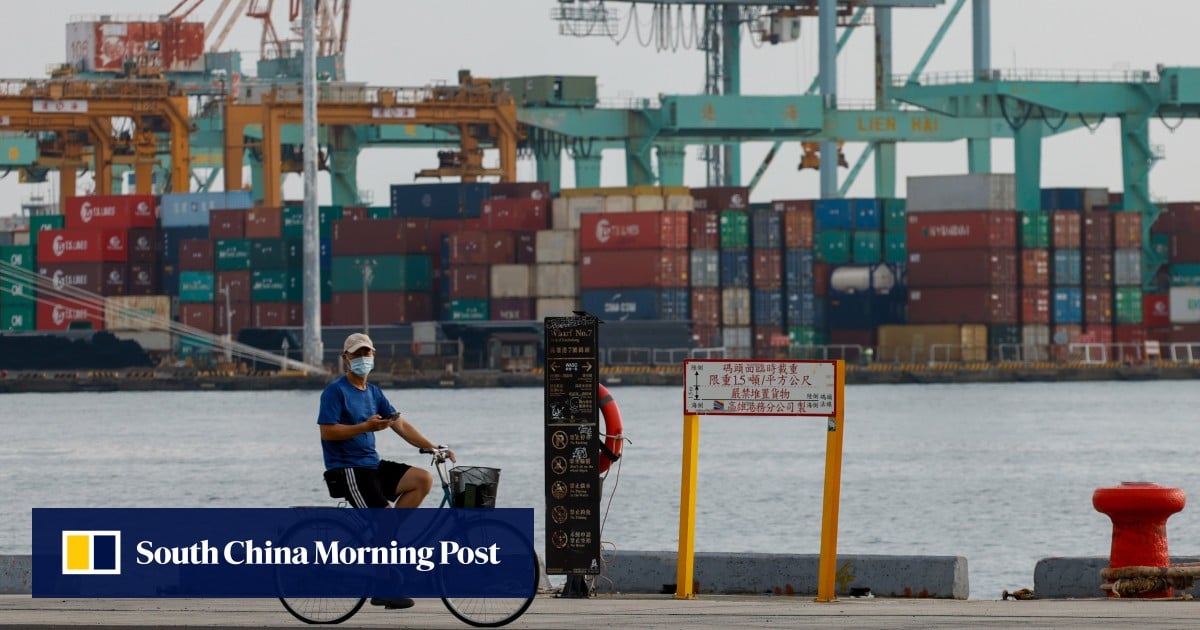
The ruling on Friday prompted the US president to invoke a separate statute – Section 122 of the US Trade Act of 1974 – to impose a 15 per cent global tariff, casting fresh uncertainty over Taiwan’s trade outlook.
The legal reset has raised questions in Taipei about whether tariff exemptions negotiated under the existing Taiwan-US trade framework – including preferential treatment – would remain insulated if Washington relied on a different statutory basis.
Advertisement
Taiwanese officials said that while previously agreed investment and trade arrangements remained intact, they were seeking further clarification from Washington.
Advertisement
He said the aim was to “understand the legal pathways” underpinning the new tariff move.
“The US Supreme Court ruling did not alter the investment cooperation memorandum of understanding (MOU) already concluded between Taiwan and the US, nor did it affect the Section 232 [of the US Trade Expansion Act of 1962] preferential treatment previously agreed,” Cho said. The law allows the US president to impose tariffs on imports deemed to threaten national security, as well as grant exemptions to key partners.