While K-pop has conquered almost every corner of the globe, South Korea’s entertainment industry remains largely locked out of the Chinese market due to a geopolitical chill that has lingered for a decade.
China unofficially banned South Korean entertainment products in 2016 after Seoul deployed the US Terminal High Altitude Area Defence system (THAAD) despite Beijing’s objections. K-pop concerts were cancelled, South Korean dramas disappeared from Chinese streaming platforms, and South Korean stars were edited out of Chinese variety shows.
Beijing has never officially admitted to the existence of the ban on hallyu – or “Korean wave”, referring to South Korean popular culture. Although Chinese fans have found creative ways to stay connected to South Korean pop culture, Seoul’s entertainment industry is still waiting for the ban to lift.
Advertisement
South Korean President Lee Jae Myung’s visit to China last month failed to achieve a complete reopening of the Chinese market. But slight cracks are appearing in the barriers to Korean content.
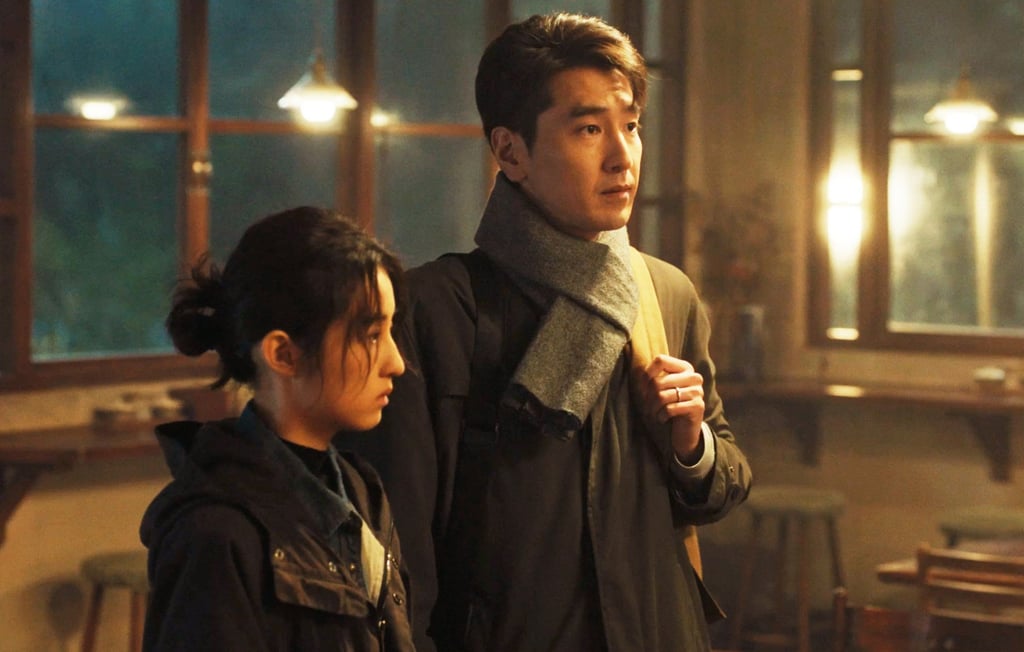
In early January, the Chinese remake of the South Korean television series My Mister – featuring singer-actress IU – was released on the streaming platform Youku. The Chinese version, titled Loving Strangers, starred actors Mark Chao Yu-ting and Zhang Zifeng. Media reports noted that it was the first South Korean drama remake to be publicly distributed in China since the ban began.
Loving Strangers, starring Mark Chao Yu-ting (right) and Zhang Zifeng (left), is the first South Korean drama remake to be publicly distributed in China since an unofficial cultural ban started a decade ago. Photo: Handout
Earlier this month, South Korean entertainment company CJ ENM partnered with JYP Entertainment’s Chinese subsidiary and Tencent Music Entertainment to launch Onecead, an artist management and music production company with a focus on the Chinese market.