Devastating wildfires, flooding and winter storms were among the 23 extreme weather and climate-related disasters in the US which cost more than a billion dollars last year – at an estimated total loss of $115bn. The last three years have shattered previous records for such events. Last Wednesday, scientists said that we are closer than ever to the point after which global heating cannot be stopped.
Just one day later, Donald Trump and Lee Zeldin, the head of the US Environmental Protection Agency, announced the elimination of the Obama-era endangerment finding which underpins federal climate regulations. Scrapping it is just one part of Mr Trump’s assault on environmental controls and promotion of fossil fuels. But it may be his most consequential. Any fragment of hope may lie in the fact that a president who has called global heating a “hoax” framed this primarily as about deregulation – perhaps because the science is now so widely accepted even in the US.
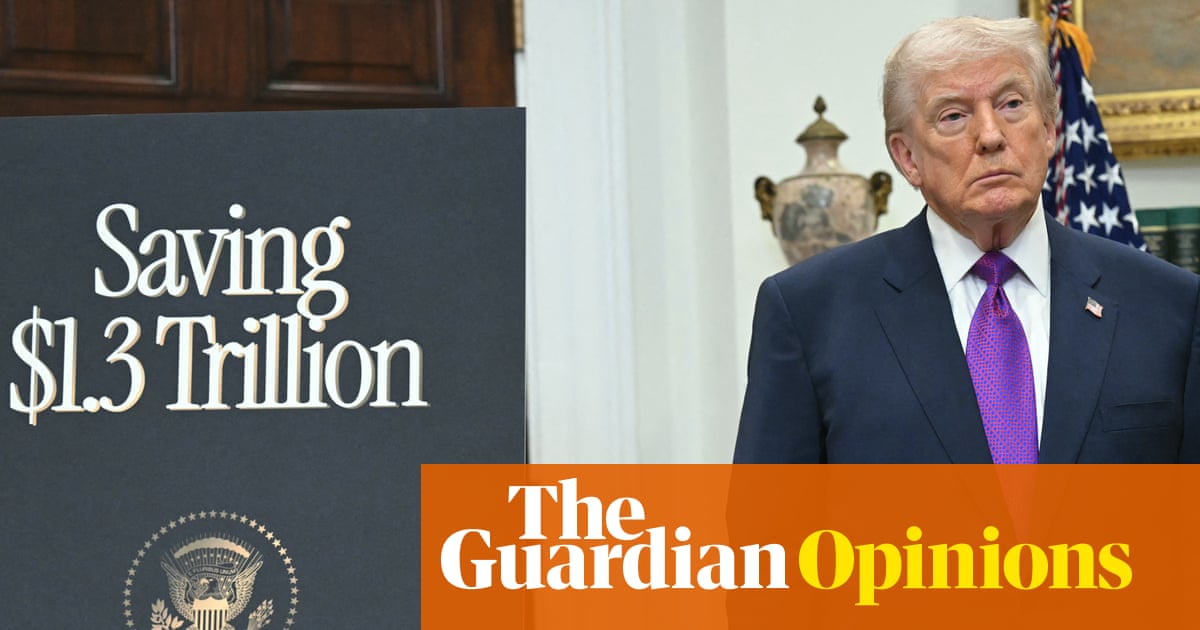
The administration claimed, without evidence, that Americans would save $1.3tn. Never mind insurance or healthcare costs; a recent report found that US earnings would be 12% higher without the climate crisis. The Democratic senator Sheldon Whitehouse called the decision “corruption, plain and simple”. In 2024, Mr Trump reportedly urged 20 fossil fuel tycoons to stump up $1bn for his presidential campaign – while vowing to remove controls on the industry.
In the same week as this reckless and destructive US decision, it emerged that China had recorded its 21st month of flat or slightly falling carbon emissions. As Washington tears up environmental regulations, Beijing is extending carbon reporting requirements. China remains the world’s biggest emitter of greenhouse gases, though its per capita and cumulative historical emissions are still far behind those of the US. But clean energy drove more than 90% of its investment growth last year.
The Carbon Brief website, which published the emissions analysis, says the numbers suggest that the decline in China’s carbon intensity – emissions per unit of GDP – was below the target set in the last five-year plan, making it hard to meet its commitments under the Paris agreement. The shift in emissions may not prove enduring. There is fear that China’s focus may change; the next five-year plan, due in March, will be key. Some subsidies for renewable power have already been withdrawn. The installation of huge quantities of renewable energy infrastructure has been accompanied by a surge in constructing coal-fired power plants, though the hope is that these are intended primarily as a fallback.
There are other grave concerns, including evidence of the use of forced labour of Uyghur Muslims in solar-panel production in Xinjiang. China’s chokehold on critical minerals hampers the ability of others to develop their own technology. And while its cheap renewables technology has resulted in the cheapest electricity in history, it has also hit manufacturers in other countries.
No one can compensate for the grim reversal of belated US action on emissions. There is also a vacuum in climate diplomacy that China shows no signs of filling. But Beijing has a vested interest in encouraging others to cut emissions, even if some nations now want to challenge its “green mercantilism”. In contrast, US billionaires look forward to prospering at the cost of wallets and lives – not only at home, but around the world.