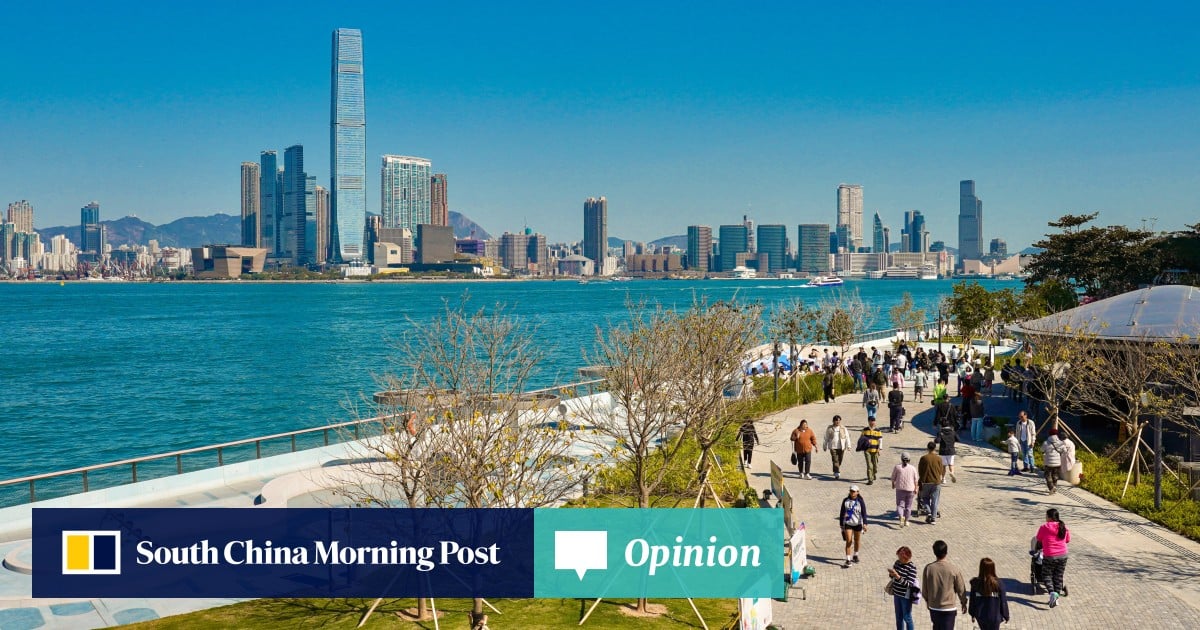
As a long-time observer of Hong Kong affairs – and someone who cares deeply about the city – I have often felt that external debates about Hong Kong have been louder than careful assessments of how the city is actually evolving.
Since the implementation of the national security law, discussion of Hong Kong has often become polarised. Less attention has been paid to outcomes and observable change. From where I stand, however, a clear shift is under way: the city has moved from prolonged disruption back towards stability, and that stability is feeding into economic and social momentum.
You may disagree, but it is hard to deny that the year preceding the national security law was marked by persistent social tension and repeated disruptions to daily life.
Advertisement
Transport networks were periodically paralysed, commercial activity was interrupted and uncertainty weighed heavily on households and businesses. For a city whose success depends on predictability and confidence, restoring order was not an abstract political objective but a practical prerequisite for recovery.
Recent economic data suggests that the stability is yielding tangible results. Hong Kong’s gross domestic product has recorded consecutive years of growth, surpassing HK$3 trillion (US$383.8 million) in 2024, with real GDP expanding by 3.5 per cent in 2025.
Advertisement
Hong Kong ranks first globally in economic freedom, according to the Fraser Institute, as well as third in the Global Financial Centres Index. The city has returned to the world’s top three in overall competitiveness. Its standing as a talent hub has risen sharply, ranking fourth globally and first in Asia, a signal closely monitored by multinational firms making long-term location and investment decisions.