Lenovo Group, the world’s largest personal computer (PC) maker, warned of the “prolonged impact” of a global memory crunch after reporting a 21 per cent profit drop in the December quarter, while pinning hopes on a shift to artificial intelligence-powered devices to drive growth.
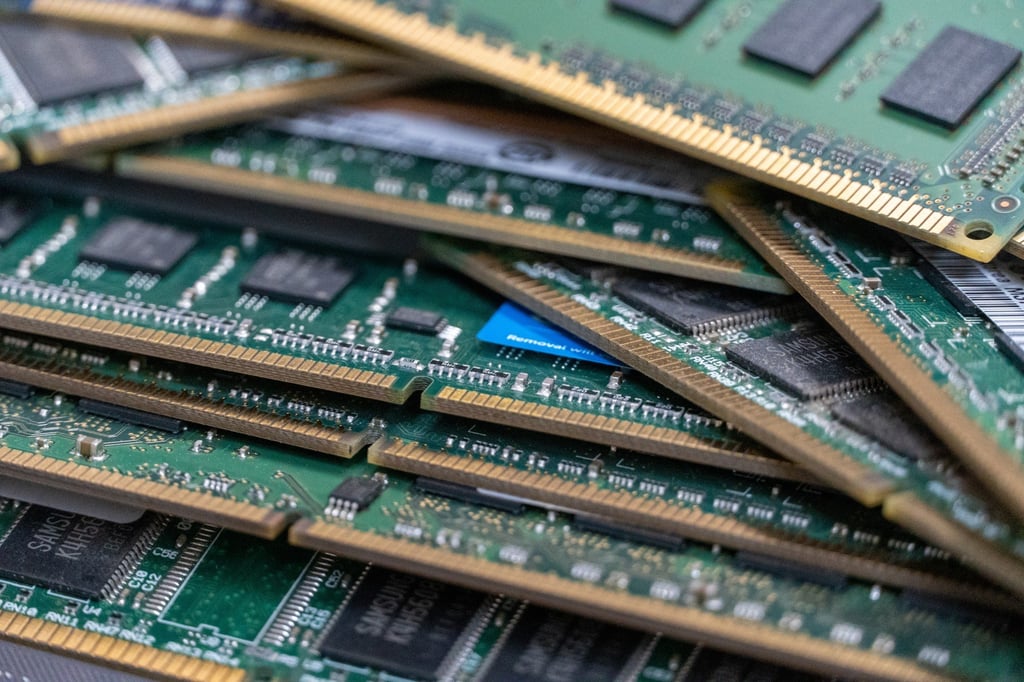
“This structural imbalance between supply and demand [for memory chips] is not simply a short-term fluctuation,” Yang Yuanqing, chairman and CEO, said on Thursday after the earnings release. “It is likely to have a prolonged impact on the industry throughout this year.”
Yang described the surge in memory costs as unprecedented and persistent, adding that the prices for dynamic random-access memory doubled in the current quarter, after a 40 to 50 per cent rise in the previous quarter.
Advertisement
The costs weighed on Lenovo’s bottom line. The Beijing-based company reported a net income of US$546 million in the three months to December 31, even as its revenue jumped 18 per cent to US$22.2 billion from US$18.8 billion in the period.
Sales growth was driven by demand for AI-related businesses, spanning PCs and server infrastructure to software. This segment grew 72 per cent to account for nearly one-third of Lenovo’s overall revenue in the quarter.
Advertisement