China’s engagement with traditional US allies amid the turmoil of Donald Trump’s presidency may be a sign that it is moving away from its customary diplomatic approach in favour of a “wedge strategy” that some observers believe may help reshape global dynamics.
They point to the ways US partners are trying to keep as many doors open as possible – to insure themselves against both an erratic Washington and increasingly assertive Beijing.
At Davos last month, Canadian Prime Minister Mark Carney warned about “a rupture” in the US-led global order, urging “middle powers” to band together to survive in what he called a new “era of great-power rivalry”.
Advertisement
Carney is one of a number of Western leaders who have flocked to China this year, offering an opening for Beijing to blur the line between US partners and adversaries and weaken any potential anti-China coalition.
Last week’s visit by British Prime Minister Keir Starmer, ending an eight-year diplomatic freeze, capped months of efforts by traditional US allies to reach out to Beijing as Trump’s behaviour places an increasing strain on these long-standing ties.
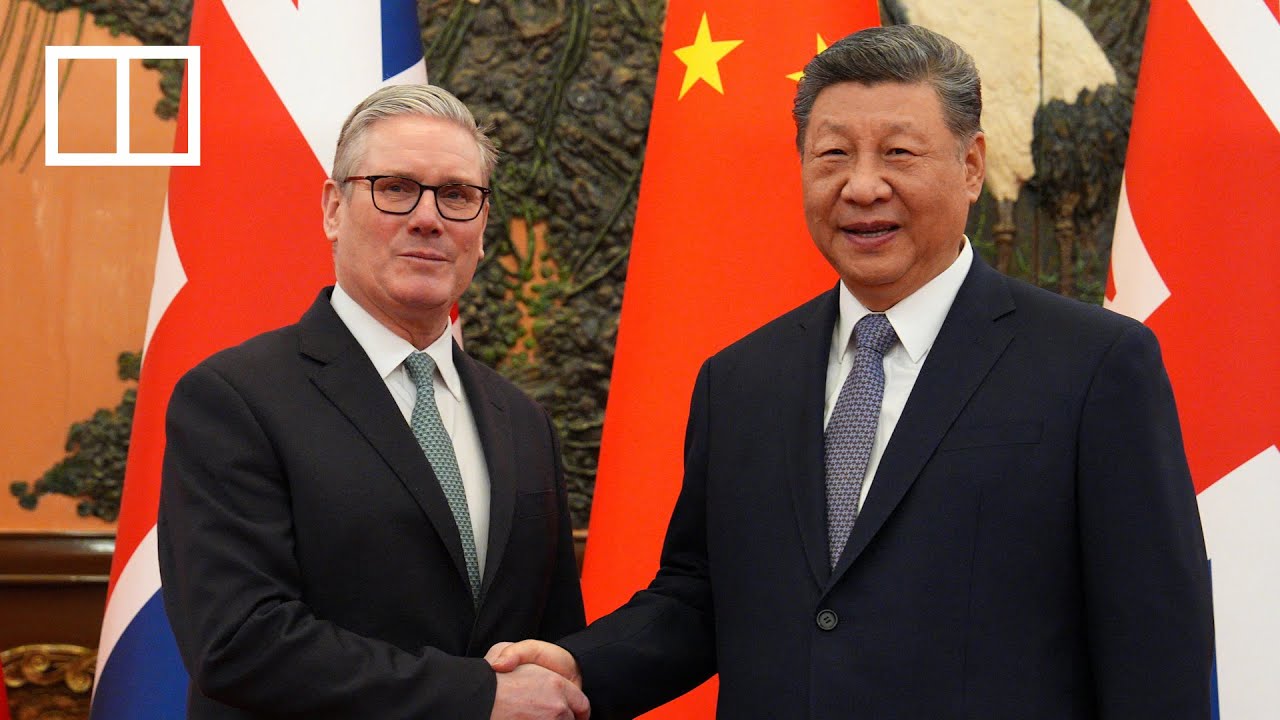
Xi Jinping urges stable partnership in talks with UK leader
Xi Jinping urges stable partnership in talks with UK leader
As well as Carney, January saw visits by leaders from Ireland, Finland and South Korea, while German Chancellor Friedrich Merz is weighing up plans for a visit.