Advertisement
“This challenges the previous erroneous theory of Western scholars that ‘water projects led to Eastern despotism’,” he said, referring to a concept that originated with German-American historian Karl August Wittfogel’s 1957 work, Oriental Despotism: A Comparative Study of Total Power.
Wittfogel argued that the formation and development of Eastern societies were inextricably linked to water management, positing that the construction and administration of large-scale hydraulic projects required a powerful, centralised organisation leading to a political system distinct from the West.
Advertisement
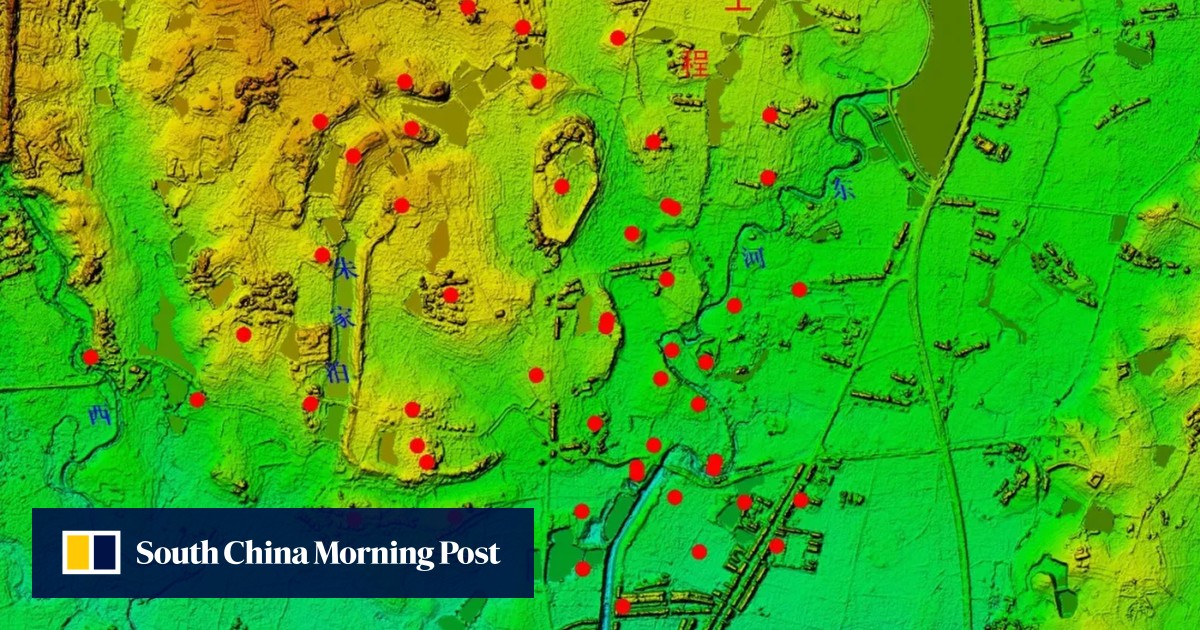
Liu countered Wittfogel’s theory, saying the study found that prehistoric communities across various regions of China began collaborating on family or clan-based projects, such as digging ponds for water storage, irrigation and flood control.