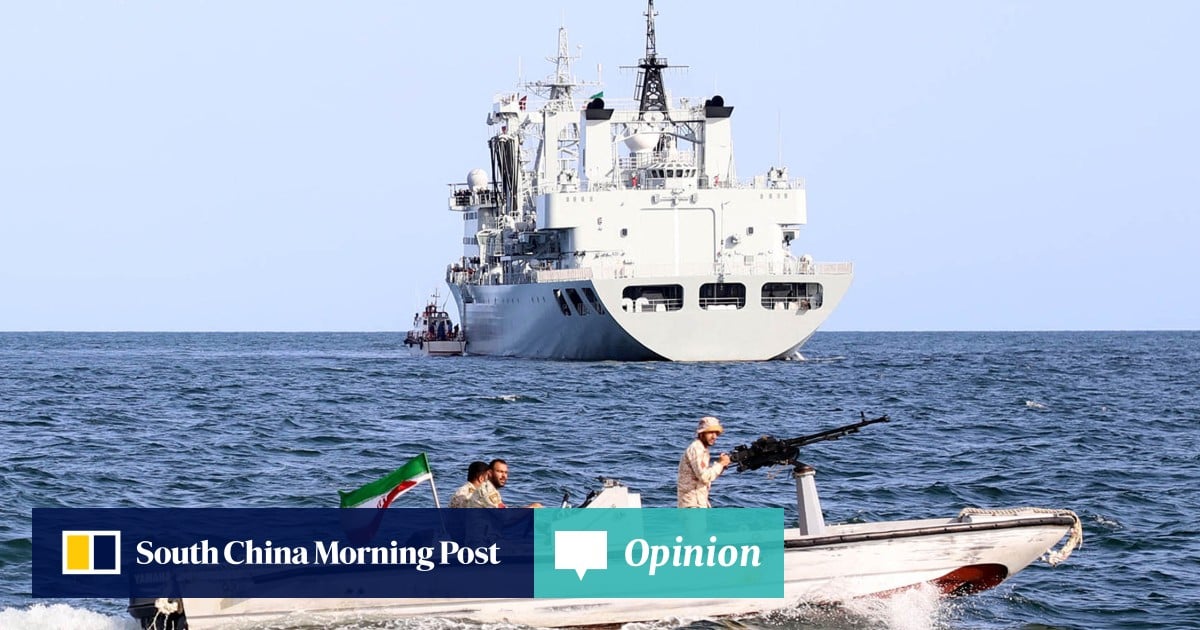
Oil supplies and sea lanes are becoming insecure. The US-China trade war could reignite at any time. China will have to accelerate its goals of energy and technology self-sufficiency to enhance national resilience. Fighting for sea lane security could be the biggest risk event in 2026.
Advertisement
This is backed up by growth in physical activity. For example, in the first 11 months of 2025, electricity consumption rose by 5.2 per cent, rail cargo turnover was up 3.3 per cent, highway cargo turnover up 3.7 per cent, port turnover of foreign trade up 4.1 per cent and passenger turnover on rail up 3.6 per cent. When such metrics increase by 3-4 per cent, simultaneous improvements in quality can justify a growth rate of 5 per cent.
Analysts may stress the roughly negative 1 per cent fluctuation in the GDP deflator last year to portray a poor picture. That would be missing the point. M2, a broad measure of how much money is circulating as well as of deposits in the economy, rose 8 per cent in the first 11 months, faster than nominal GDP.
Advertisement
Price declines could be explained by competition forcing a conversion of productivity gains into lower prices. For example, as car prices fall amid enhanced quality and technology, the industry’s profitability could improve.