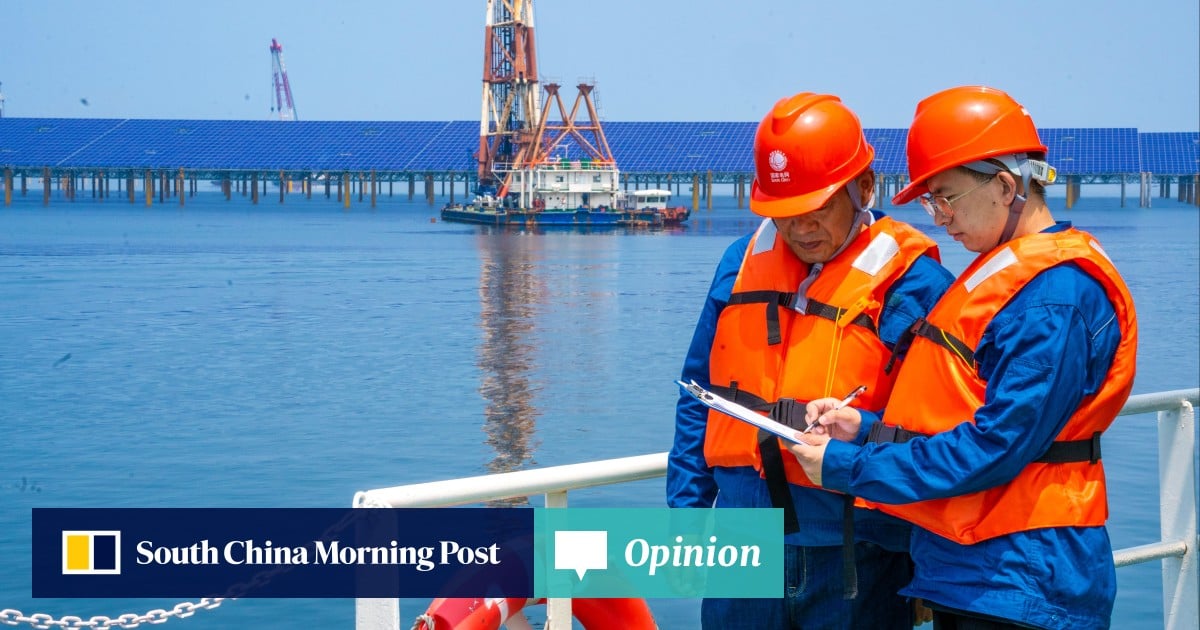
For much of the past decade, the energy transition debate has largely revolved around one question: can clean technologies work at scale?
The challenge is no longer simply proving that more individual technologies work. It is integrating these technologies across sectors into power and industrial systems that remain reliable, affordable and secure while serving rapidly growing global demand.
Advertisement
The first wave was about feasibility through scale. Over the past decade, manufacturing and deployment have driven dramatic cost reductions in a handful of core technologies. Nowhere is this clearer than in China. Its expansion of solar, wind, batteries and EVs turned once-premium options into accessible and affordable mass-manufactured products. As scale increased, prices fell, supply chains matured and learning curves accelerated. The result was not just lower emissions, but a redefinition of what affordable energy looks like.
Advertisement