Without pension reform, China is leaving its rural elderly out in the cold

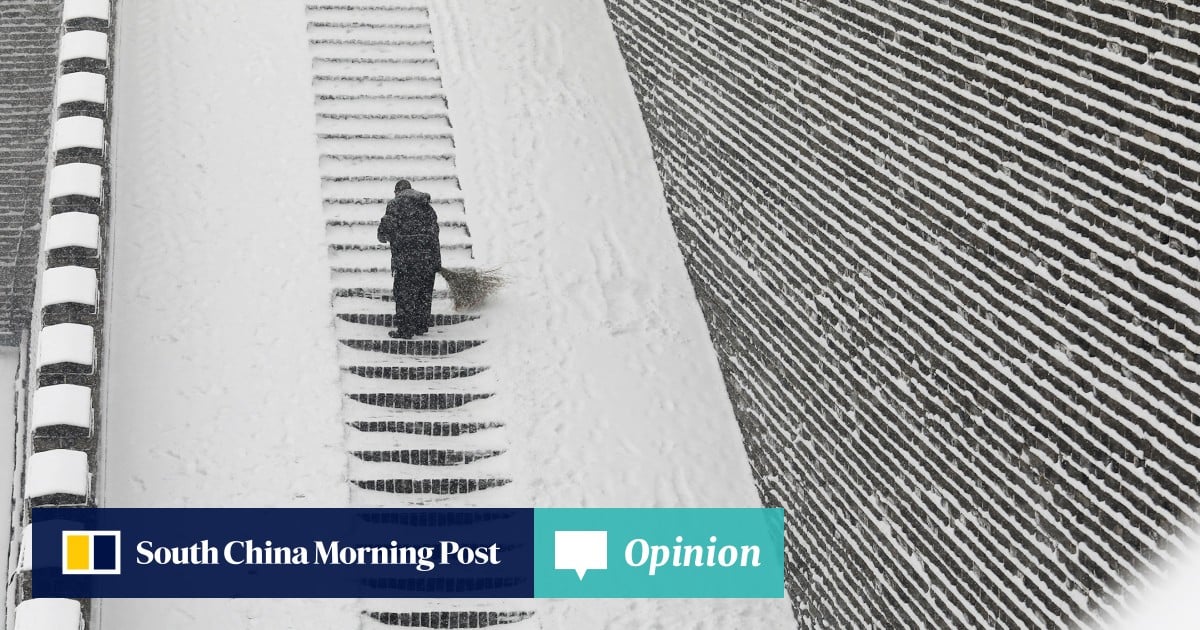
“Rural heating problems in Hebei cannot wait any longer” declared a recent report in Farmers’ Daily. It described a disturbing reality in parts of northern China: elderly villagers who would rather shiver through freezing temperatures than turn on their heaters, because they simply cannot afford the cost. For many urban readers, this may sound implausible. For millions of rural elderly, it is routine.

On the surface, the problem appears to be a side effect of China’s well-intentioned environmental reforms. Beginning in the early 2010s, large-scale “coal-to-gas” heating programmes were rolled out across northern China to reduce air pollution. Rural households were banned from burning coal and required to switch to cleaner, but far more expensive, natural gas.

In its early years, generous government subsidies cushioned the transition. Over time, those subsidies have been reduced, even as gas prices have risen. For elderly farmers living on pensions of roughly 100 to 200 yuan (US$28.65) a month – barely enough to cover basic necessities – heating has become unaffordable.

Advertisement

But framing this merely as an energy or environmental policy problem misses the deeper issue. The Farmers’ Daily report exposes a structural weakness in China’s rural pension system, one that incremental adjustments can no longer conceal.
Rural pension reform is hardly new. It has been debated for years by policymakers and economists, often in abstract terms of fiscal sustainability and demographic pressure. The issue returned to public attention after veteran commentator Hu Xijin published a widely read social media post in late December calling for a substantial increase in farmers’ pensions.

Advertisement

He suggested funding it through cuts to export tax rebates and proposed raising monthly pensions to over 600 yuan. Supporters welcomed his bluntness; critics questioned the feasibility and fiscal priorities. What the debate revealed was how unresolved, and uncomfortable, the issue remains.


South China Morning Post

Related posts

Leave a Comment