Good morning. There is trouble in the neighbourhood, as anti-India protests rock Bangladesh. The agitation in recent days followed the death of a young leader, Sharif Osman Hadi, who was shot during an election rally in Dhaka on December 12. He subsequently died in Singapore. India will be watching developments closely.
More positively, New Delhi has concluded talks on a trade deal with New Zealand that will give duty-free access to all Indian goods.
There will be no issue of India Business Briefing on Friday December 26. We wish you a merry Christmas and happy holidays.
In today’s newsletter, we bring you the best of India Brief Q&As. But first, more chaos and uncertainty for holders of US H-1B visas and their employers.
Screen time
Holders of H-1B skilled worker visas, of which a large majority are Indian, have been plunged into further uncertainty with US embassy and consulate visa services suddenly cancelling appointments. Those who are visiting India right now and have to get their visas stamped before they return to the US, have been left stranded. December is usually a busy season for visa re-issuance as Indians combine it with holiday travel home.
The current chaos began on December 15 when the Trump administration imposed extended social media screening rules, increasing the time taken to process applications. Candidates who had appointments for the latter half of December are now looking at months of delay. H-1B holders are allowed to remain in the US if their stamps have expired as long as their visa status is valid based on other documents.
Companies that use the H-1B visa are scrambling to figure out how to manage the situation. Holders who are stuck in India may have to work remotely until they get their visas stamped. According to media reports, immigration lawyers advising major American tech groups are advising visa holders against travelling outside the US, since there is a high risk they may not be able to return when they need to.
This is just the latest in the series of changes that the US government has made this year to the H-1B visa scheme. In September, Trump announced a fee of $100,000 for new applications. While California and 19 other states are challenging this in the courts, the uncertainty about the programme and the frequent changes in rules are making H-1Bs a difficult option for employers and employees. Although they have not directly addressed this, the general tone and tenor of comments by heads of Indian tech companies suggests they are seeking ways to reduce their dependence on this route.
Over the medium term, multinational companies will look to fill the gap by setting up more ‘global capability centres’ in India. Technology servicing companies such as TCS, Infosys and HCL Technologies will also have to find a way of optimising their operations with lower levels of cross-border staff movements and to set up centres outside the US in North America. This is going to add to costs and risks, further reducing margins. 2026 will be an important year in shaping how IT services adapt to survive in a less globalised world.
Do you think H-1B visas will continue to be a viable option? Let me know. Hit reply or email us at indiabrief@ft.com
Recommended stories
India’s bid to rival the Chinese navy.
The stock market winners and losers of 2025.
Crypto-exchange Binance allowed suspicious accounts to operate even after 2023 US plea agreement.
Market upheavals drove the biggest gains since 2008 for macro hedge funds.
How Bill Clinton became the focus of the Epstein files.
Can ChatGPT help with a midlife crisis?
The money lessons FT columnists wish they’d been taught at school.
Best of IBB Q&As
Nandan Nilekani on India Stack
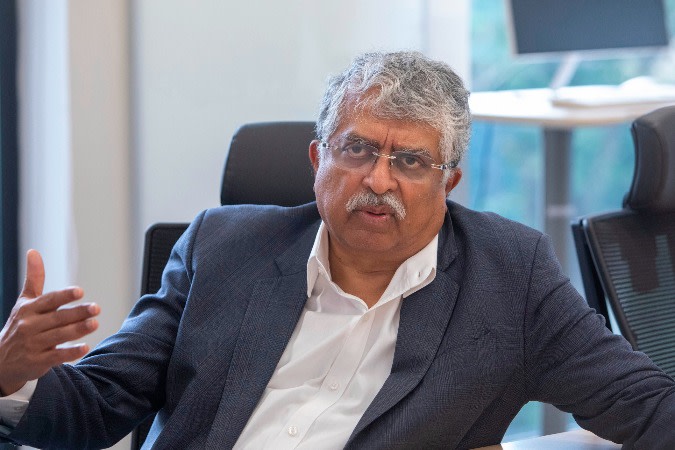
Co-founder and chair of Infosys Technologies, Nilekani is the champion of India Stack, the backbone of the country’s public digital architecture. This includes Aadhaar, the world’s largest biometric identity system, and UPI, the unified payments interface, which hit a record-breaking 20bn transactions in August. He talked about the opportunities and challenges of building technology services that cater to 1.4bn Indians.
McKinsey’s Vivek Pandit on the Indian economy
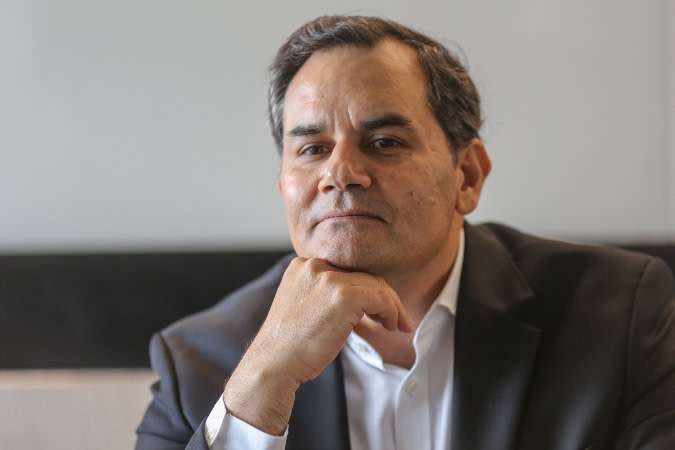
Pandit is a senior partner and co-leader of McKinsey’s private equity and principal investment group, who has spent 25 years advising the world’s leading investors and shareholders. He talked about India’s economic prospects and the country’s attractiveness as an investment destination.
Amrish Rau, chief executive of Pine Labs
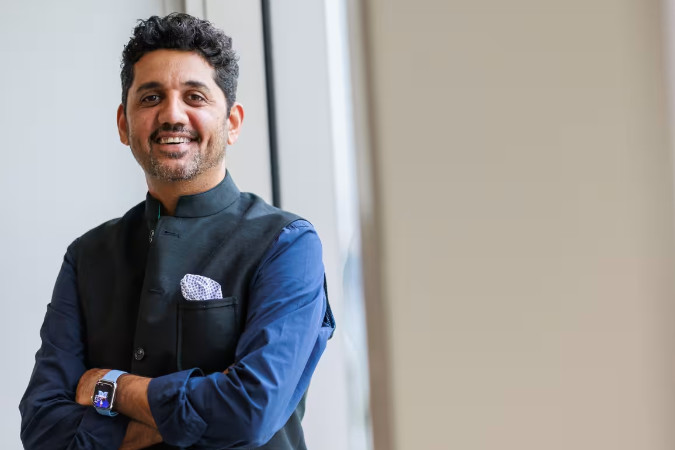
Pine Labs went public in November, in a crowded IPO calendar, listing 9.5 per cent above its issue price. The company operates in a relatively unglamorous part of the vibrant Indian fintech space: providing payment technology, including point-of-sales (POS) machines. Rau talked about the scope and scale of fintech in India and abroad.
Go figure
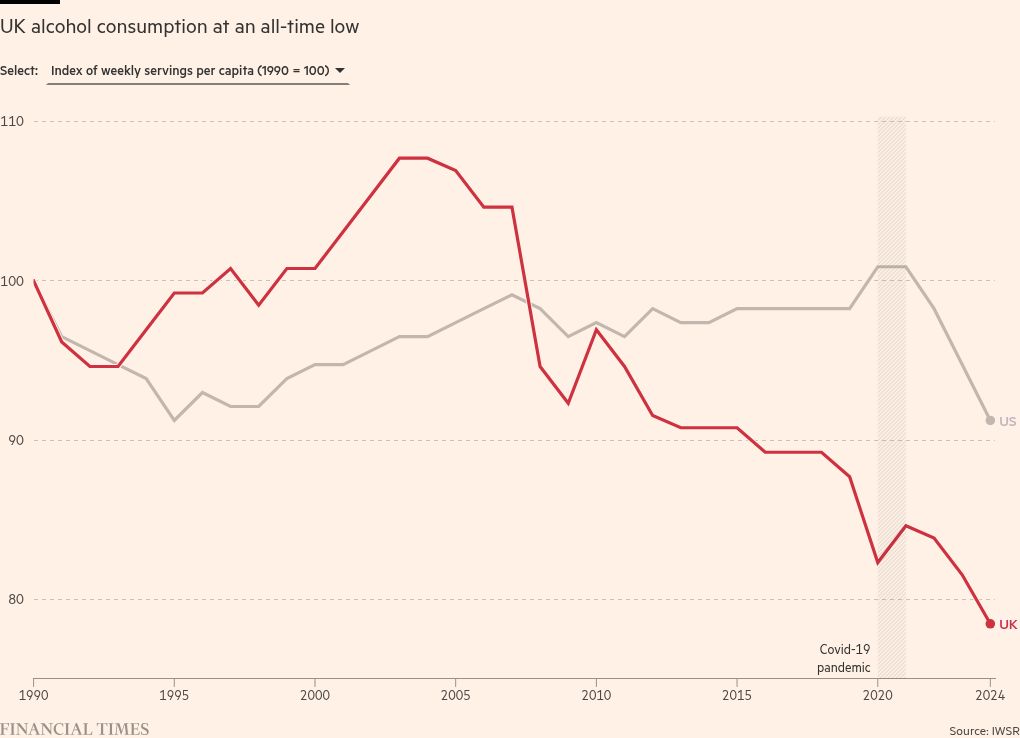
If you are thinking of going dry (ish) in the new year, here is some inspiration. Alcohol consumption in the UK has fallen to a record low.
My mantra
“I’ve always treated my career in technology as a marathon, not a sprint. Or, to borrow a cricket analogy, more like a Test match than a T20 — strategic, steady and built for the long haul. In a fast-moving industry, it’s easy to chase quick wins, but true impact comes from pacing yourself, staying resilient and taking care of your mental and physical wellbeing along the way.”
John Lombard, chief executive, Asia-Pacific, NTT Data
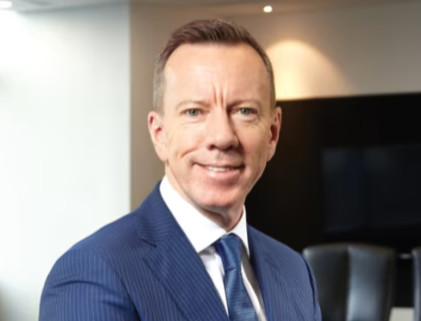
Each week, we invite a successful business leader to tell us their mantra for work and life. Want to know what your boss is thinking? Nominate them by replying to indiabrief@ft.com
Quick question
All things considered, was this a good year for India? Tell us here.
Buzzer round
On Friday, we asked: What connects the terms “rage bait”, “brain rot”, “rizz” and “goblin mode”?
The answer is that they are all Oxford Dictionary’s words of the year.
Ram Teja was first with the right answer, followed by Aniruddha Dutta, Srinath V, and Ranjan Kumar Sinha. Mahithi Pillay gets half points for a not entirely incorrect answer. Congratulations!
Congratulations, Ram Teja, for topping the leaderboard in December. You will receive your prize soon.
Thank you for reading. India Business Briefing is edited today by Mure Dickie. Please send feedback, suggestions (and gossip) to indiabrief@ft.com.