Unlock the Editor’s Digest for free
Roula Khalaf, Editor of the FT, selects her favourite stories in this weekly newsletter.
Nepal’s president has appointed former chief justice Sushila Karki as the turmoil-hit Himalayan nation’s interim prime minister following intense negotiations with youthful anti-government protesters and the military.
The appointment on Friday of Karki, Nepal’s first female prime minister, is intended to bring an end to unrest this week that was sparked by a ban on leading social media sites and led to clashes with the police in which more than 50 people died.
Karki was sworn in on Friday evening by President Ramchandra Paudel during a brief ceremony at the Sheetal Niwas, or president office, in central Kathmandu. At her behest, the president dissolved parliament late on Friday and called for a general election in March.
Analysts said that while her appointment would appease anti-government demonstrators and ease tensions, it raised constitutional questions.
Representatives of the “Gen Z” protest movement had in recent days been pushing Paudel to put Karki in charge of a caretaker government as soon as possible.
Former prime minister KP Sharma Oli resigned on Wednesday after his personal residence was torched by demonstrators along with government buildings and courts.
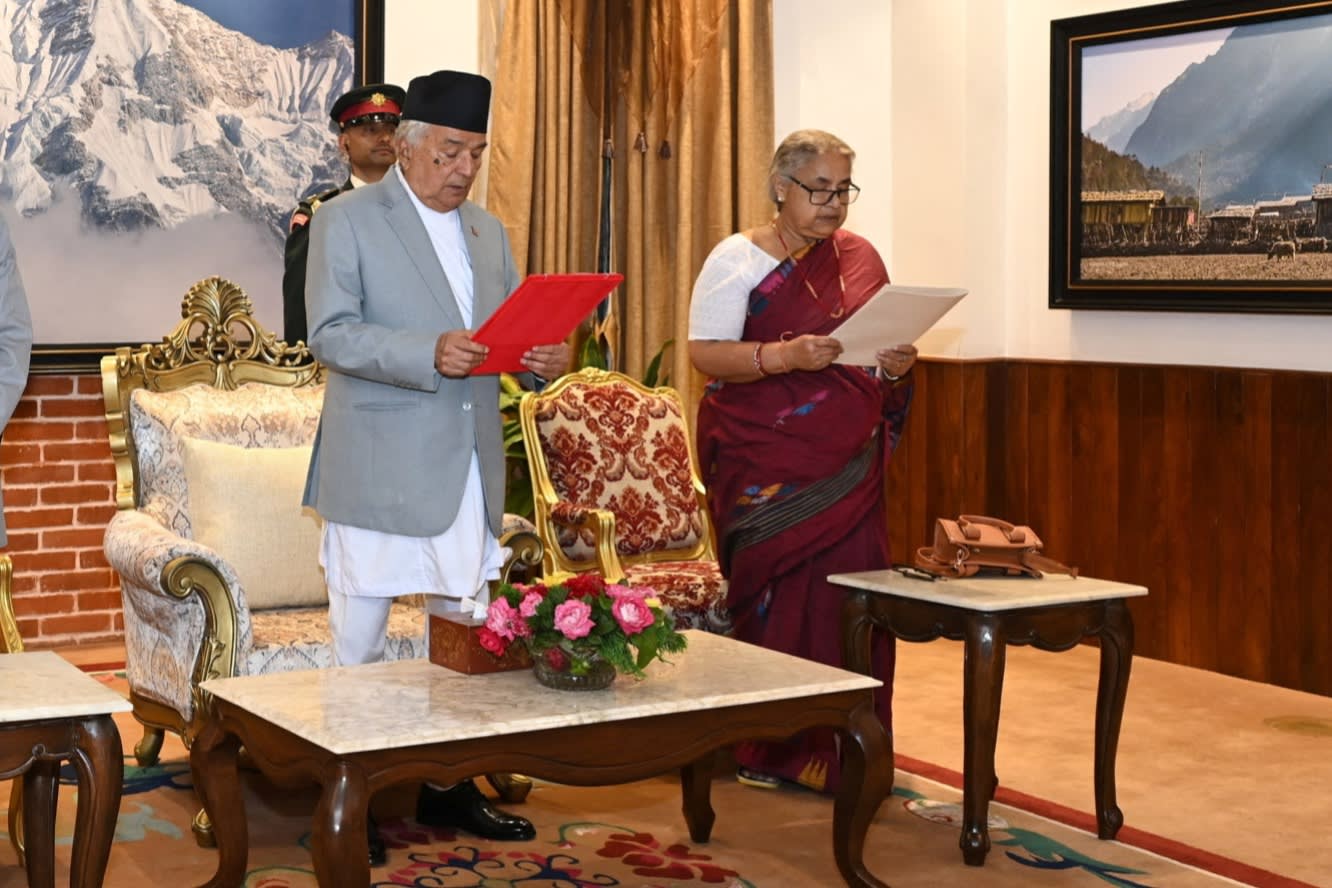
People familiar with the talks said the Gen Z protesters had discussed with Paudel, army chief Ashok Raj Sigdel and constitutional lawyers how Karki could be legally appointed.
The young protesters were anxious that their revolution might be subverted by traditional political parties or that there might even be a return of the autocratic king deposed in 2008.
Sujan Shrestha, a 26-year-old who witnessed fellow protesters being shot by the police on Monday, said some Gen Z activists felt that “after so much death, so much losses, we don’t want the same group of politicians who are in parliament to be in power”.
Karki, who is Nepal’s first and only female chief justice to date, was seen as “empathetic”, “not corrupt” and “someone we could really trust”, said Aakriti Ghimire, a representative from a Gen Z group that had backed the former judge.
In a statement, her group HowToDeshBikas, or how to develop the country, said: “Your leadership is a powerful symbol of change, and it has provided the hope that our nation desperately needed.”
But Aastha Dahal, a Kathmandu-based lawyer, warned that the appointment raised constitutionally questions.
“The Nepali constitution hasn’t envisioned this particular scenario at all, so we are in a constitutional vacuum,” Dahal said.
Under the constitution, retired members of the Supreme Court are not eligible “for appointment to any government office, except as otherwise provided in this constitution”. Dahal said there was no obvious provision that covered Karki’s appointment.
“What’s happening right now is completely unprecedented,” said Sudheer Sharma, a political writer and author of The Nepal Nexus.
This week’s protests reflected long-standing anger at the political elite — and the allegedly lavish lifestyles of their “nepo babies” offspring — that have simmered since Kathmandu became a republic following the fall of the 239-year-old monarchy in 2008.
The rallies were sparked by last week’s ban on leading social media sites including Facebook and Instagram, which the government said had not complied with a mandatory registration. Nepali police said on Friday a total of 51 people had died in the turmoil.
The army established control of Kathmandu’s streets late on Tuesday and by Friday, the capital had returned to relative normalcy, although military checkpoints remained in place on many streets.
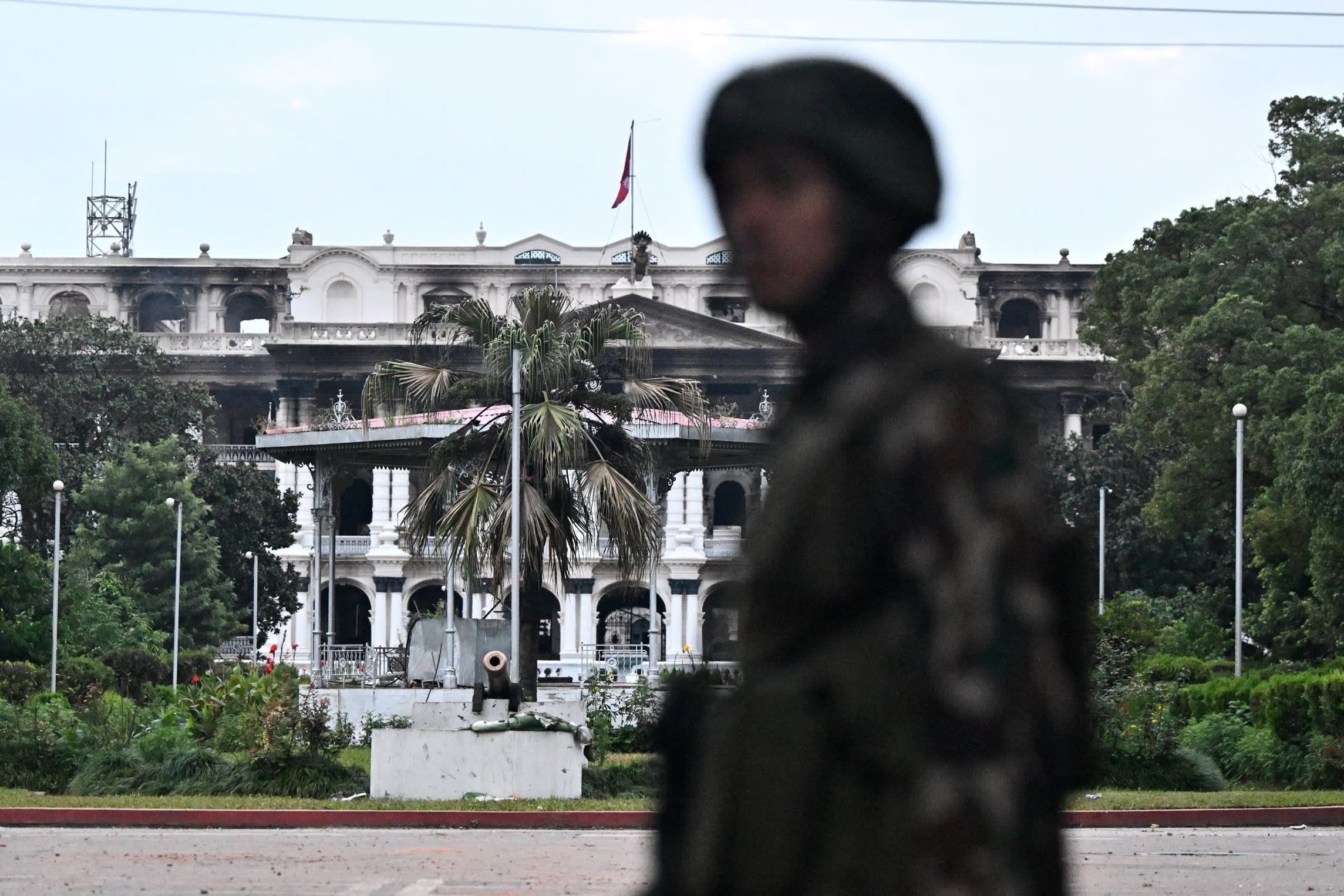
This week’s unrest in Nepal follows uprisings in Sri Lanka in 2022 and Bangladesh last year, where disaffected youngsters spearheaded protests that eventually led to the ousting of ageing leaders.
Although Karki was appointed in extraordinary circumstances, contravening the constitution might open the way for further turmoil, analysts warned.
Nepal, a country wedged between India and China, has had more than a dozen governments since the former monarch Gyanendra was deposed following a civil war and deadly protests.
“With Nepal’s uprising after the ones in Sri Lanka and then Bangladesh, it’s tempting to think of a South Asian Spring, something like the Arab Spring. You can see the parallels — rotten governments, young people fed up, one uprising after another,” said Roman Gautam, the Nepali editor of the magazine Himal Southasian.
“But we also have to remember how the Arab Spring ended up. Democracy did not end up winning out,” Gautam said. “Nepal may have moved back from the abyss now, but there are also worrying signs here.”